
Minnesota’s Fraud Problem
The New York Times | Minneapolis, Minnesota
The numbers in this story are hard to hold in your head. Hundreds of millions of dollars were stolen from federal nutrition and social services programs in Minnesota and much of it routed through sham vendors, nonprofit shells, and meal sites that claimed to be feeding thousands of children who were never there. Federal prosecutors called it the largest pandemic relief fraud scheme in American history.
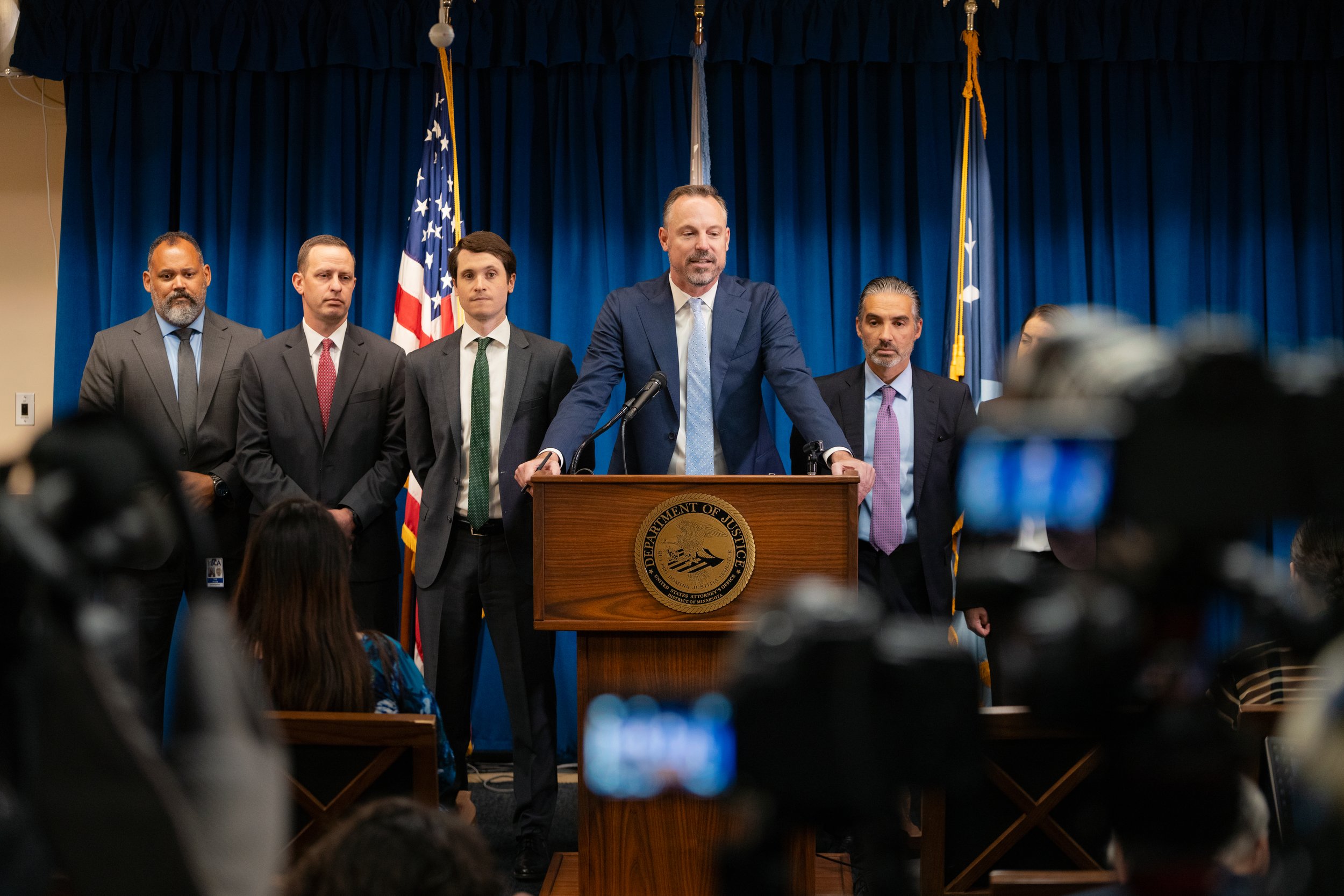
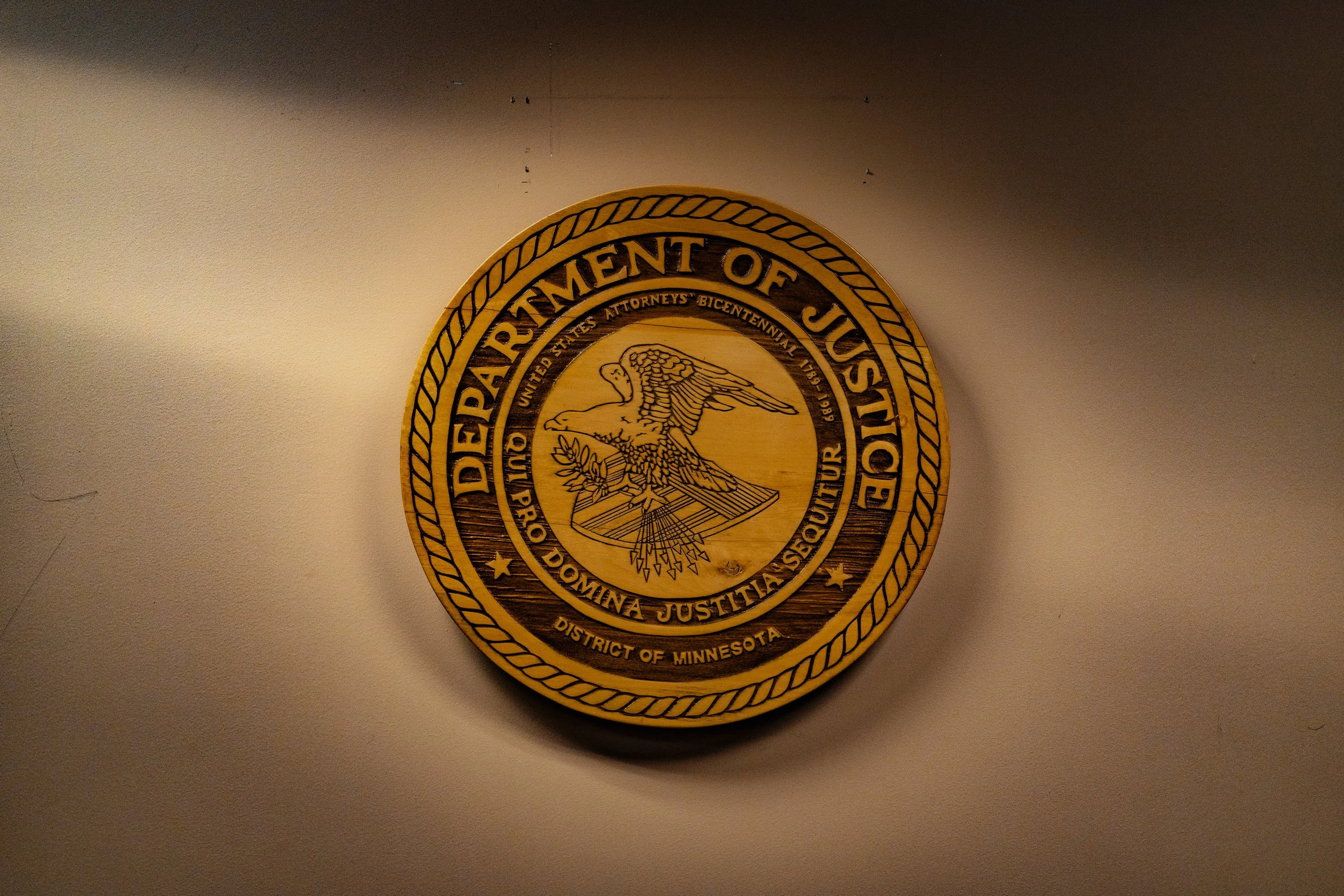
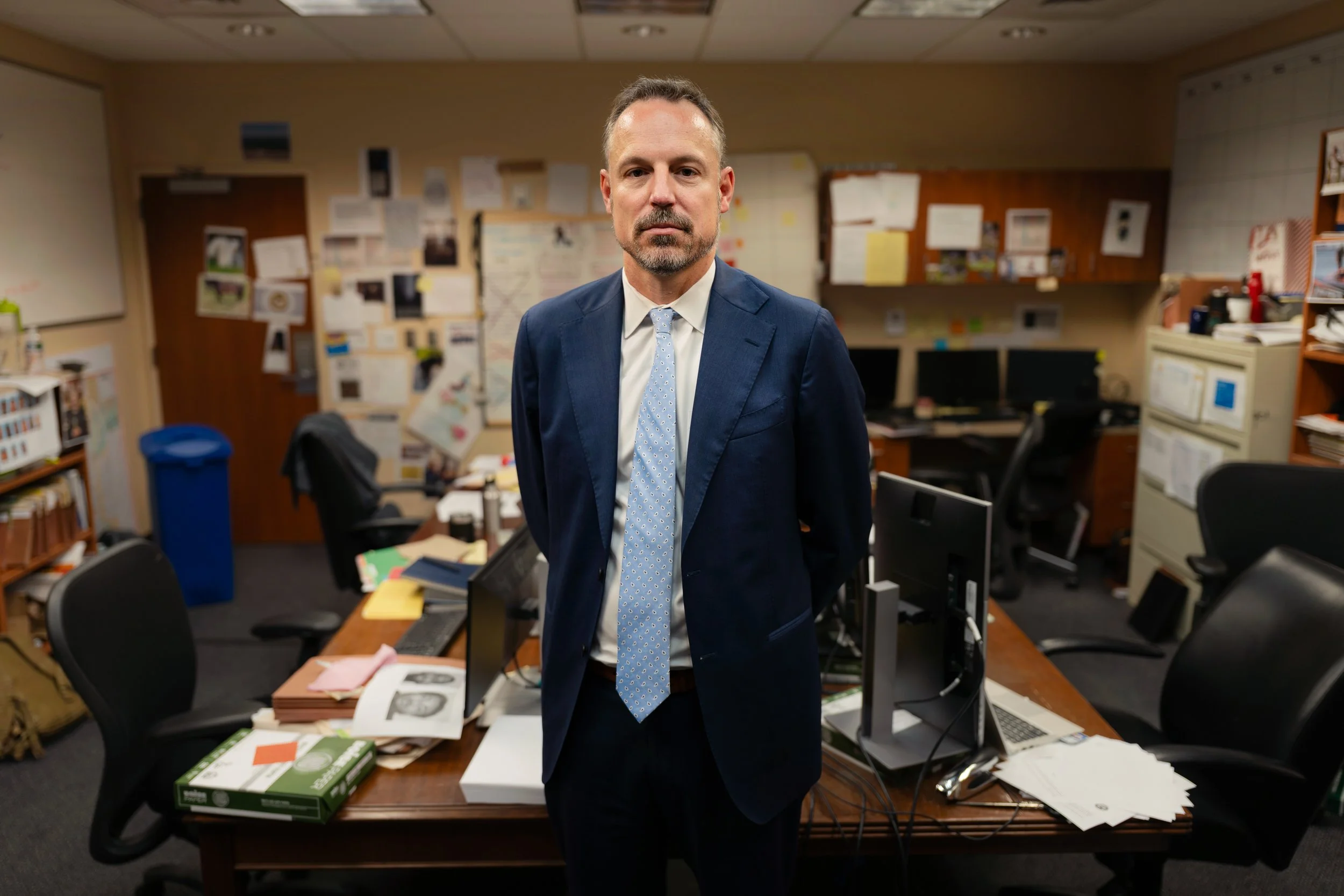
I was brought in by The New York Times to photograph the feature. The assignment falls into a category familiar to editorial photographers but rarely discussed directly: you're documenting something that doesn't exist visually. Fraud doesn't have a face or a location you can put a frame around.
The job is to find the real people and places carrying the gravity of it such as investigators, community members, the bureaucratic environments where oversight failed. From there, make pictures that hold the story without illustrating it too literally.
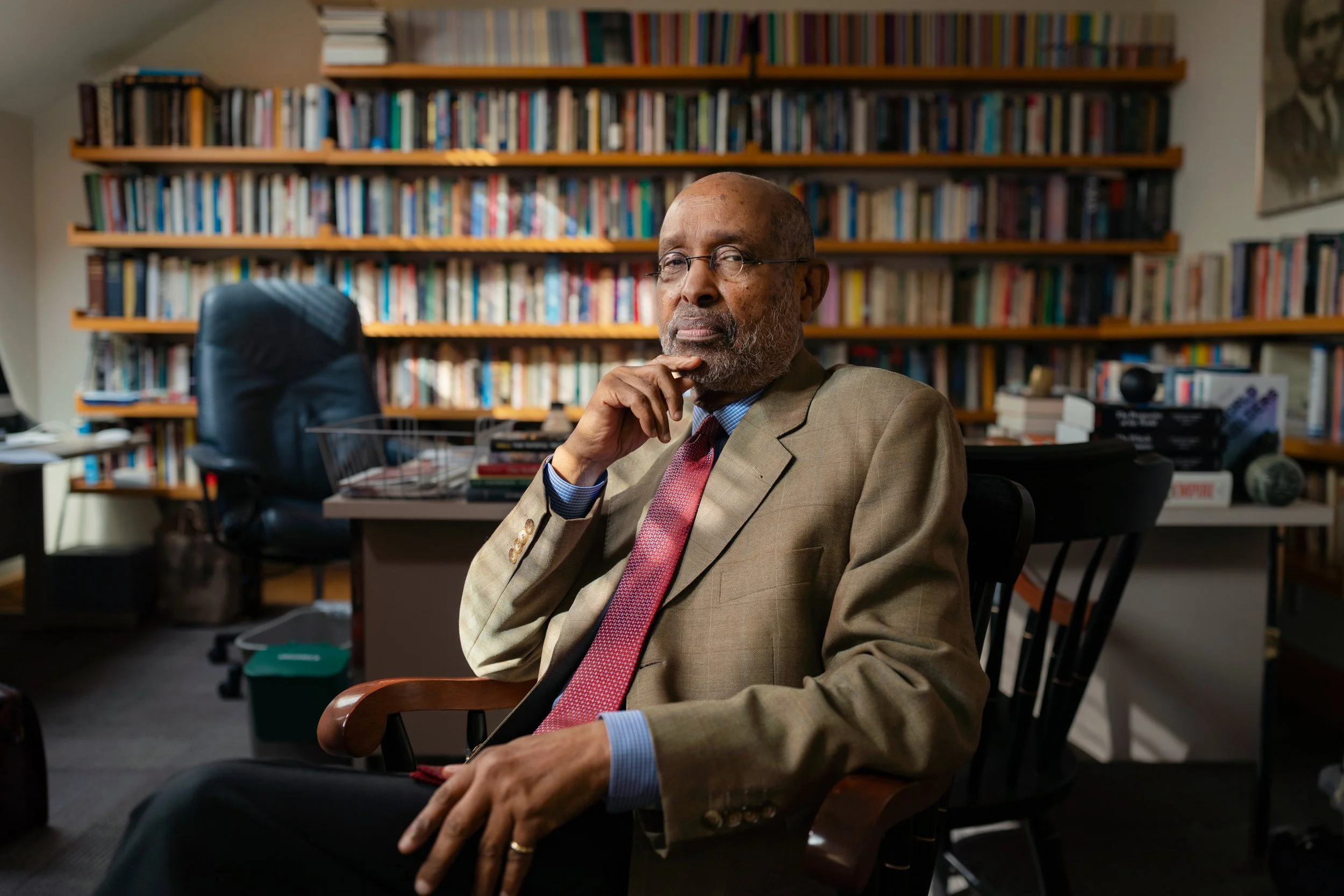



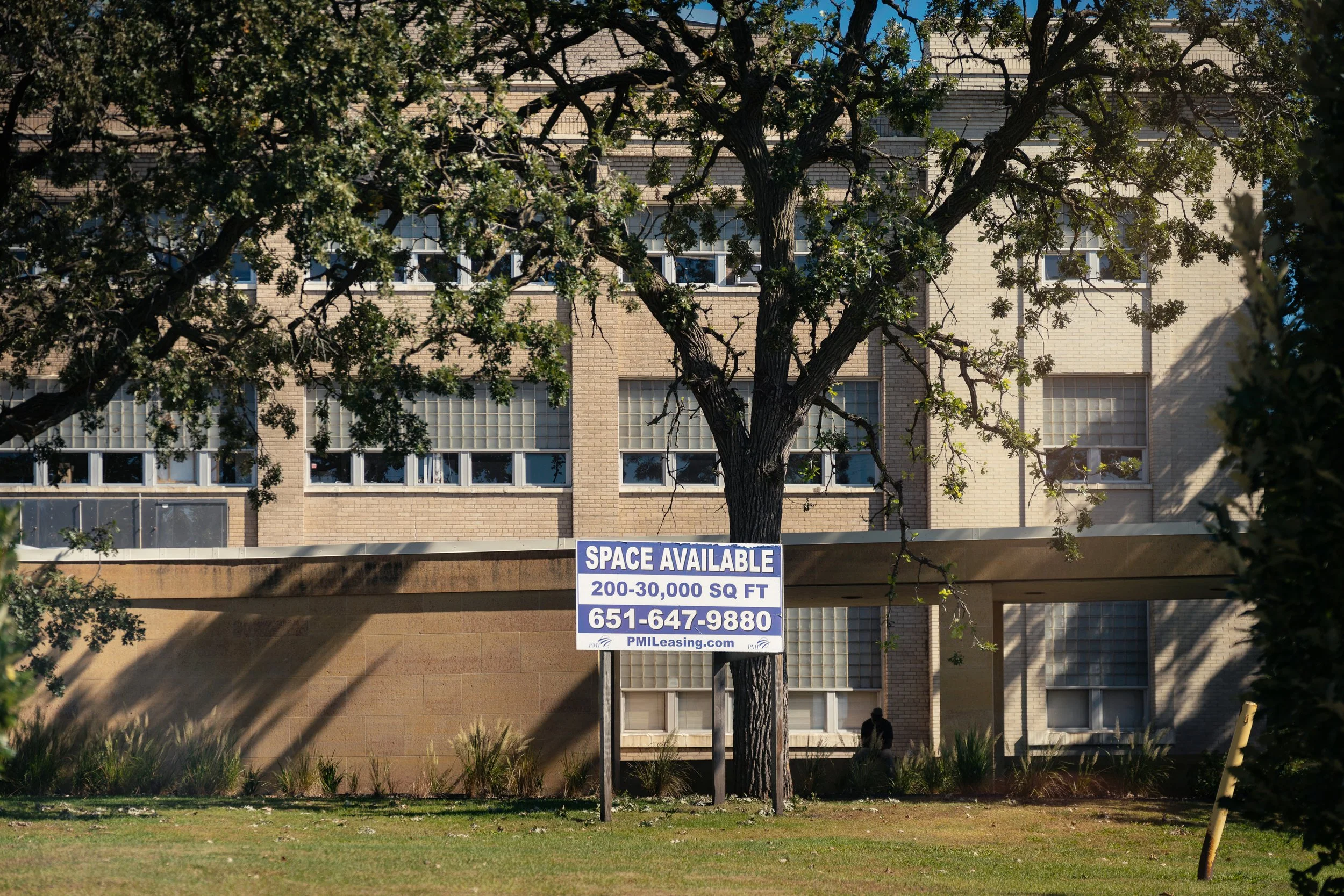

That constraint is the work. The instinct that drives it — finding the human and physical residue of something systemic and invisible — is the same one I bring to brand documentary work, where the thing you're trying to show is often a feeling, a culture, or a process that doesn't photograph on its own terms.