
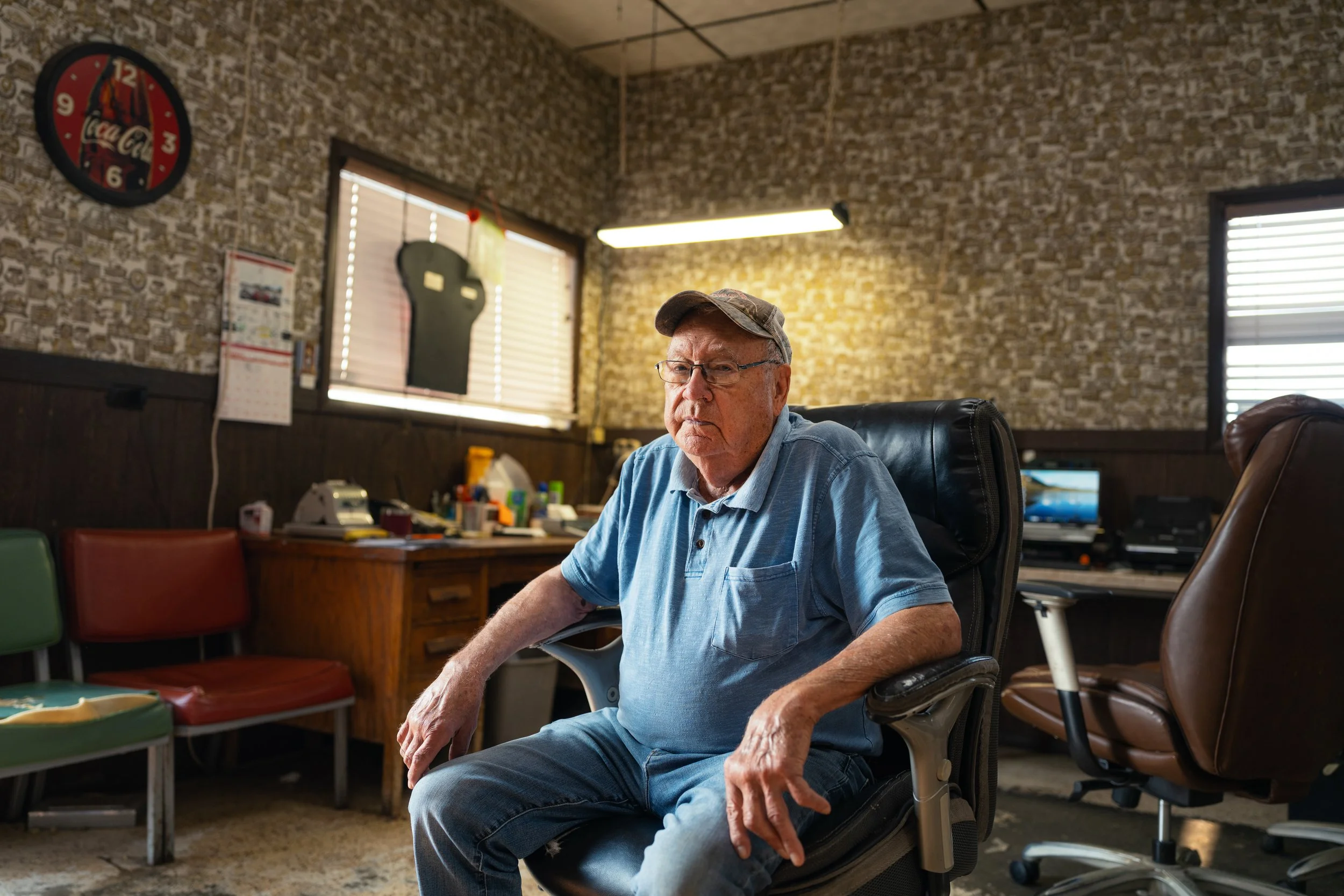
The Floor Under the Leap
How much of our best work as creatives likely belongs to someone whose name has never appeared on a single call sheet? The projects I'm proudest of track almost perfectly with the crews I trusted and show little correlation with the number of zeros attached to the budget. Five roles, and what separates the people who are competent at them from the ones who change the outcome.
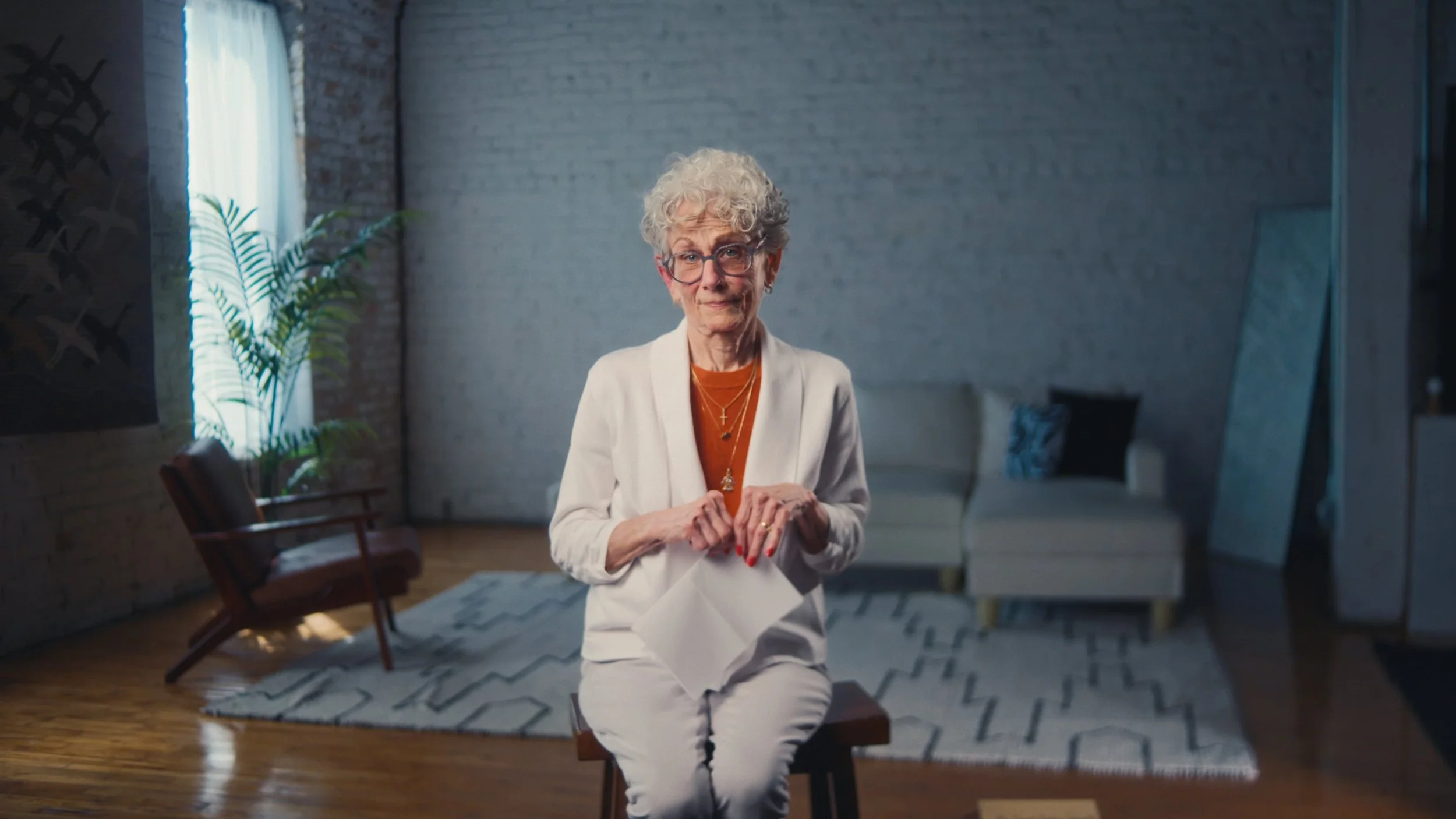
Below the Waterline
The film's best idea almost got scrapped as a throwaway device instead of becoming the whole thing that held it together.
Changing the Oil at 55mph
The best dish on the menu gets pulled while people are still driving over to order it.
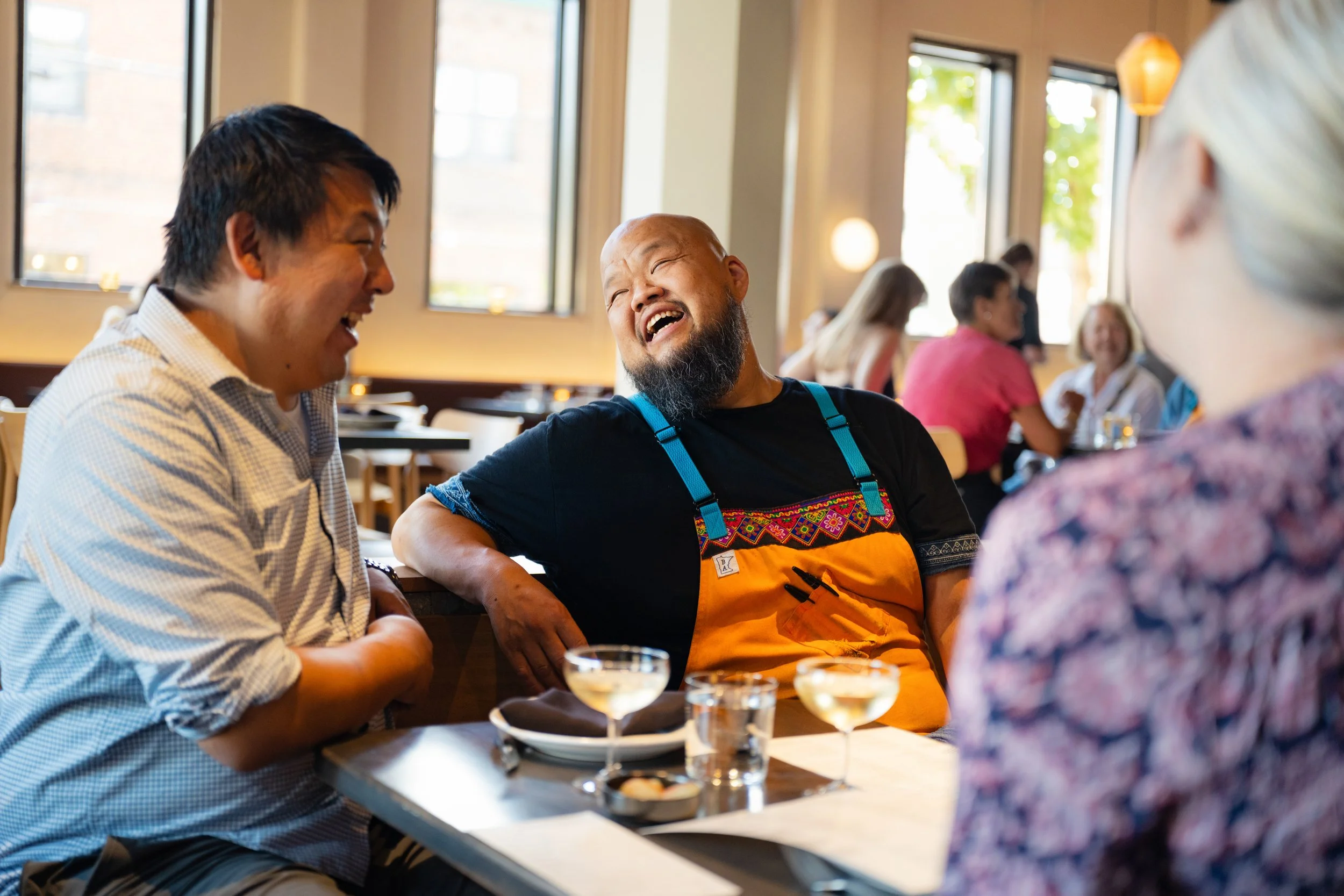
Light the Space, Not the Face
Most photographers solve for the subject. This is about designing the room instead — and why that principle applies at every scale, from how you light a location to how you run a shoot to how you've built your creative practice.
Reciprocal, not Transactional
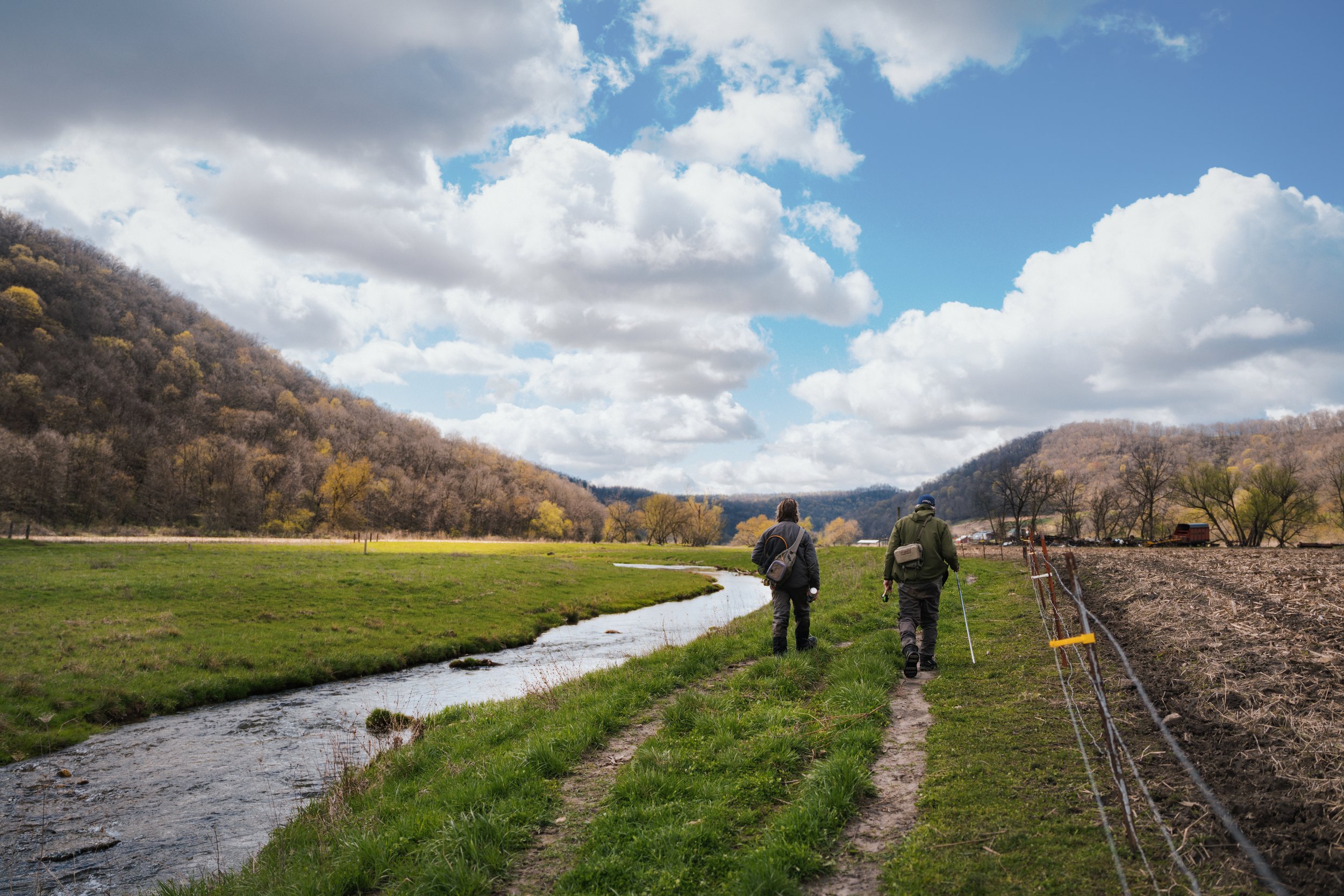
There's a category of photograph everyone in this industry recognizes. Technically correct, properly lit, the subject is present. It gets signed off on, it runs, and does nothing. Photographer Dr. Zun Lee gave me language for why, and for what actually has to happen before the camera comes up.
Buck the Orthodoxy
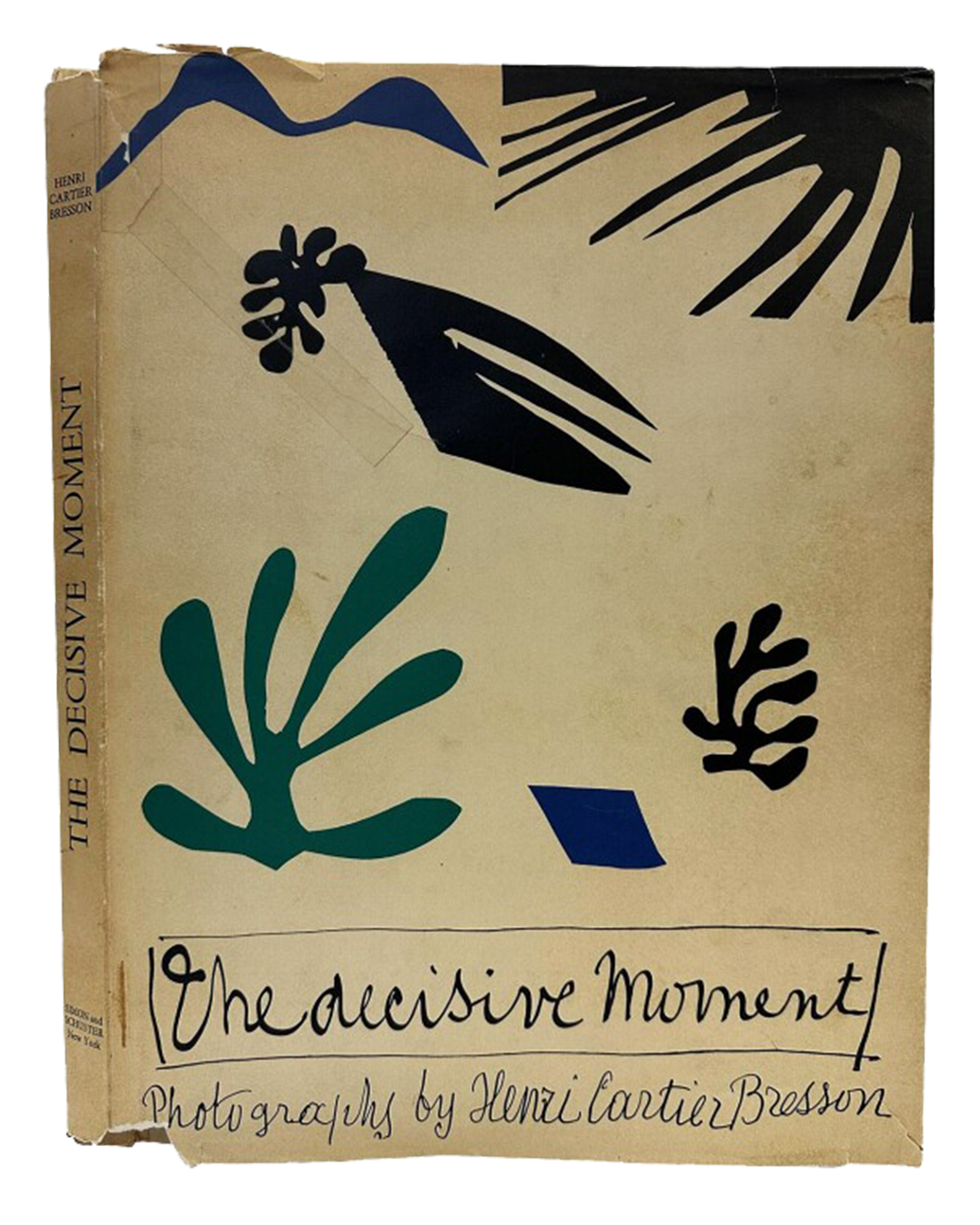
Virtually the entire photography world knows "The Decisive Moment." Most people don't know that Henri Cartier-Bresson didn't actually name it — a publisher did, borrowing a phrase from a 17th-century Cardinal's memoir. That's how orthodoxies work: a truth that worked for someone, somewhere, sometime, and subsequently ossified into a rule nobody remembers making. The question worth asking isn't whether to follow them. It's whether the conditions that made them useful still apply.
The middle isn't coming back. The question is which way we move
The creative market is splitting — and the middle that sustained a generation of working photographers and directors isn't coming back. Here's what I believe the K-shaped economy means for visual storytelling, production quality, and where serious creative work is actually heading.
Burnout Is Not A Badge of Honor
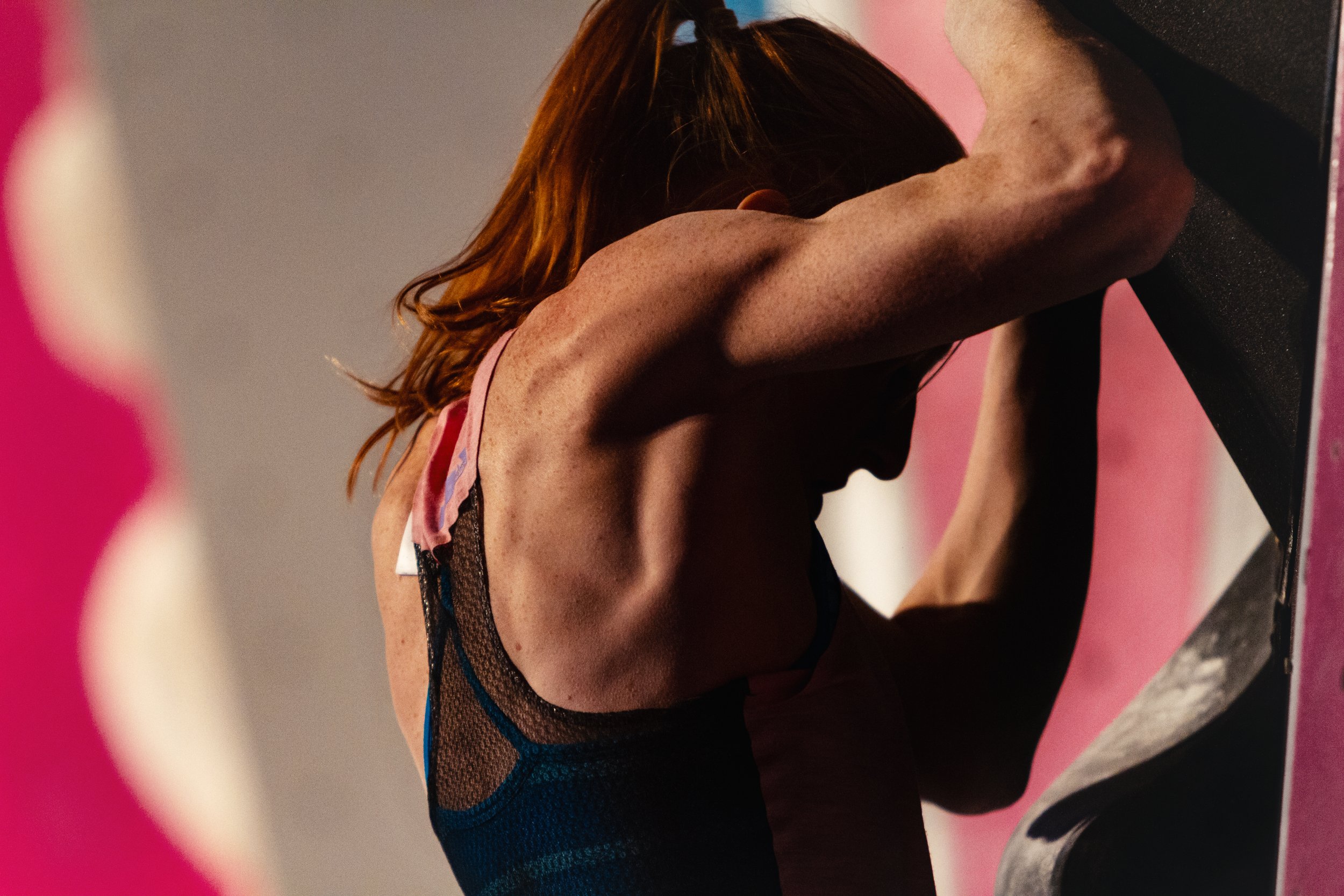
Somewhere along the way, creative industries decided that exhaustion was a sign of seriousness. It isn't. Burnout doesn't just harm the person — it harms the work, quietly and in ways that are hard to measure. Here's what it actually steals, and what longevity in this field really requires.
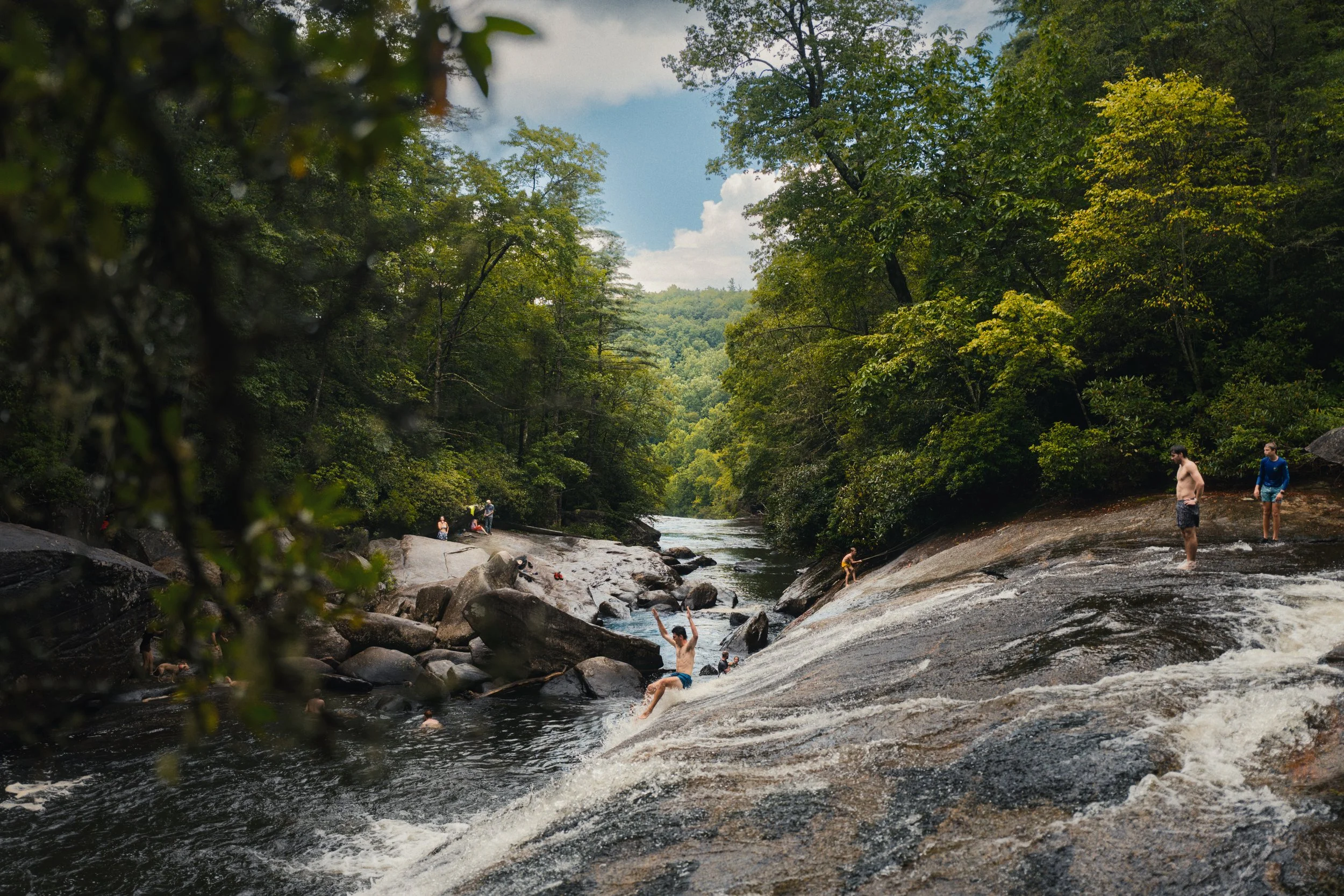
When Nostalgia Becomes a Crutch
Nostalgia is one of the default modes of contemporary visual culture right now — and for understandable reasons. It compresses meaning, creates emotional resonance, feels safe. That's precisely what makes it dangerous when unexamined. There's a difference between nostalgia as reference and nostalgia as a reason. When the vibe is doing the thinking, the idea stops doing the work.