Burnout Is Not A Badge of Honor
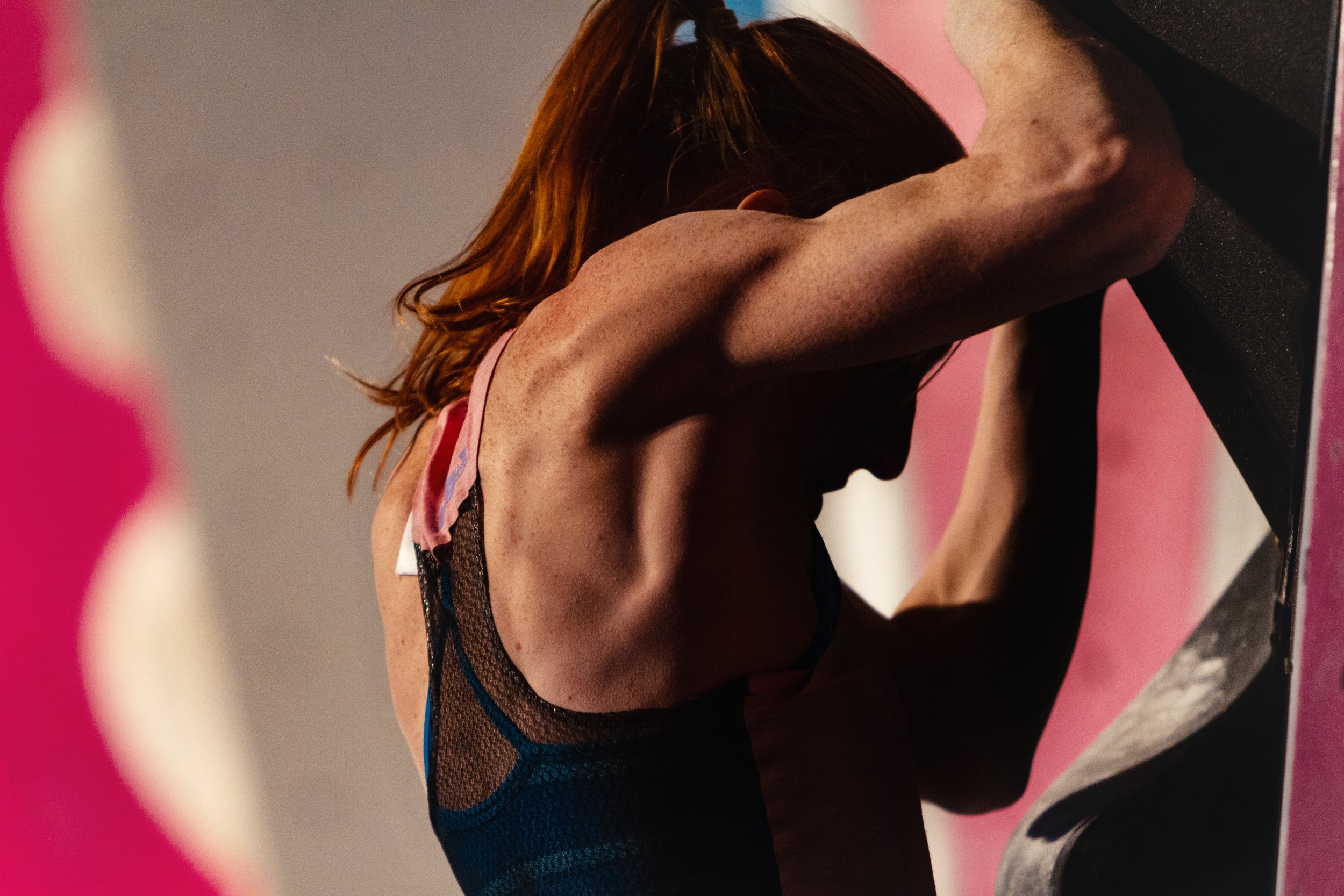
Burnout isn't proof that you care. It's proof that something is broken in the process.
Somewhere along the way, creative industries (largely unconsciously) decided that exhaustion was a sign of seriousness. That if I wasn't fried, behind, or barely holding it together, I must not want to "make it" badly enough. I believe we collectively traded durability for output and, in the process, started confusing volume with how much we cared, creating some funhouse mirror of: if you can survive the pace, you belong.
The problem isn't a commitment to hard or solid work. We call this mode of creation (which steadily degrades judgment, taste, and long-term strength) “dedication,” as if it were a virtue instead of a nagging check engine light on the dash, the kind you ignore until the car won’t start.
Burnout is ultimately a predictable result of how creative work is staffed, scheduled, evaluated, and rewarded these days. And it affects the work more than we want to admit, especially in the places where intention and quality are supposed to be the point.
How hustle became the default
None of this happened because we all, the creatives, suddenly stopped paying attention. It happened because the world changed, and then the incentives did what incentives always do.
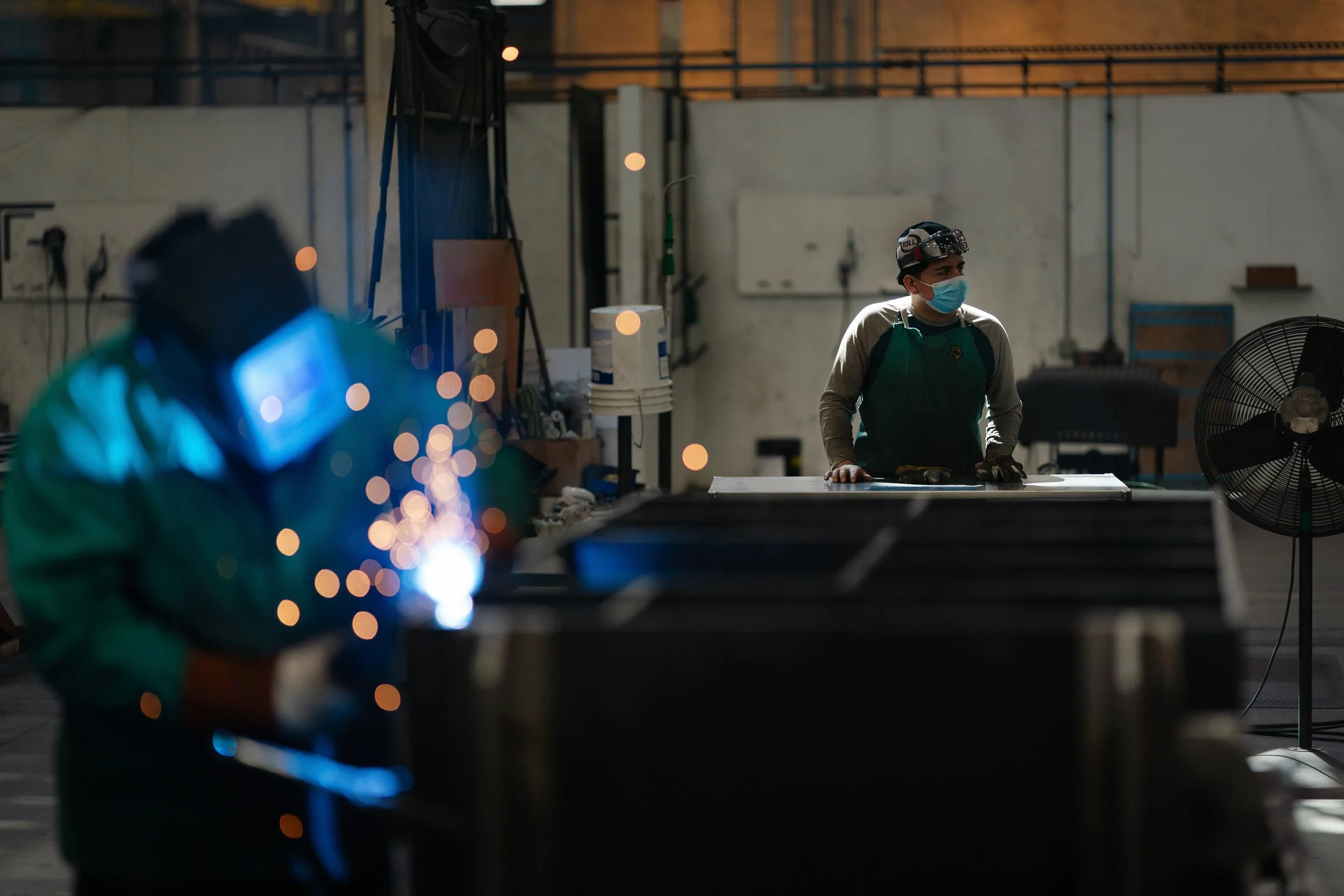
Always-on communication and collaboration erase any real boundary between our work and our rest. Creation on social platforms rewards constant visibility instead of thoughtful presence. And the dreaded "Typing" ellipsis on Teams/Slack became a proxy for meaningful engagement.
At the same time, creative labor became more visible and in an odd way, more abstract. There's a sense of performative availability. You're expected to be reachable, reactive, and responsive, even when the work itself demands focus, slowness, and judgment. A lot of creative projects I've been through started to include an unspoken secondary job description: being the kind of person who never creates friction by needing time.
Show of hands: Does anyone here actually want that always-on, helter-skelter, hustle-porn lifestyle? Not a damn chance.
But because that's what the creative work world rewards. As a system rewards an outcome, it spreads.
Here and now
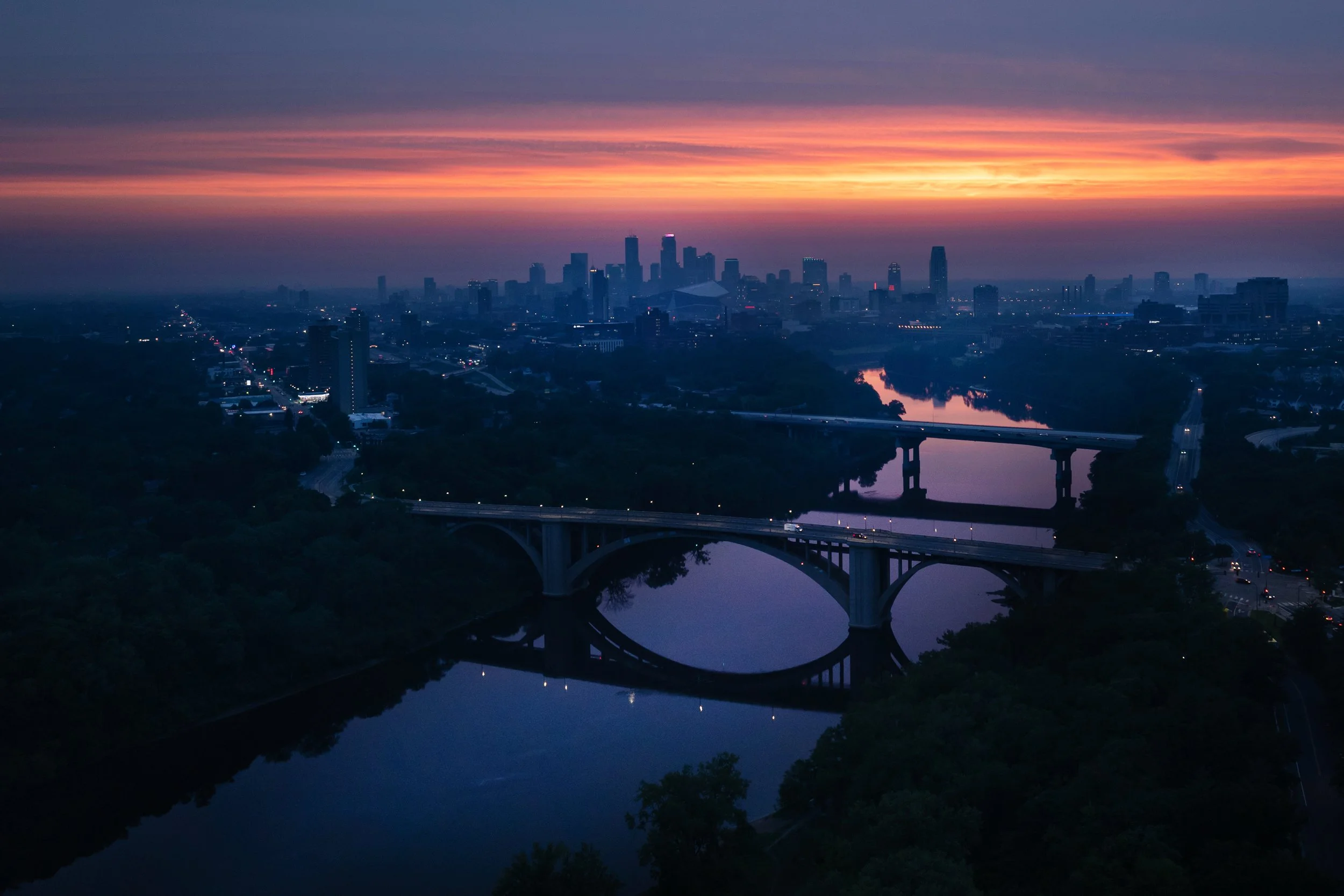
Lately, it's been hard to separate the work from the place it's happening in.
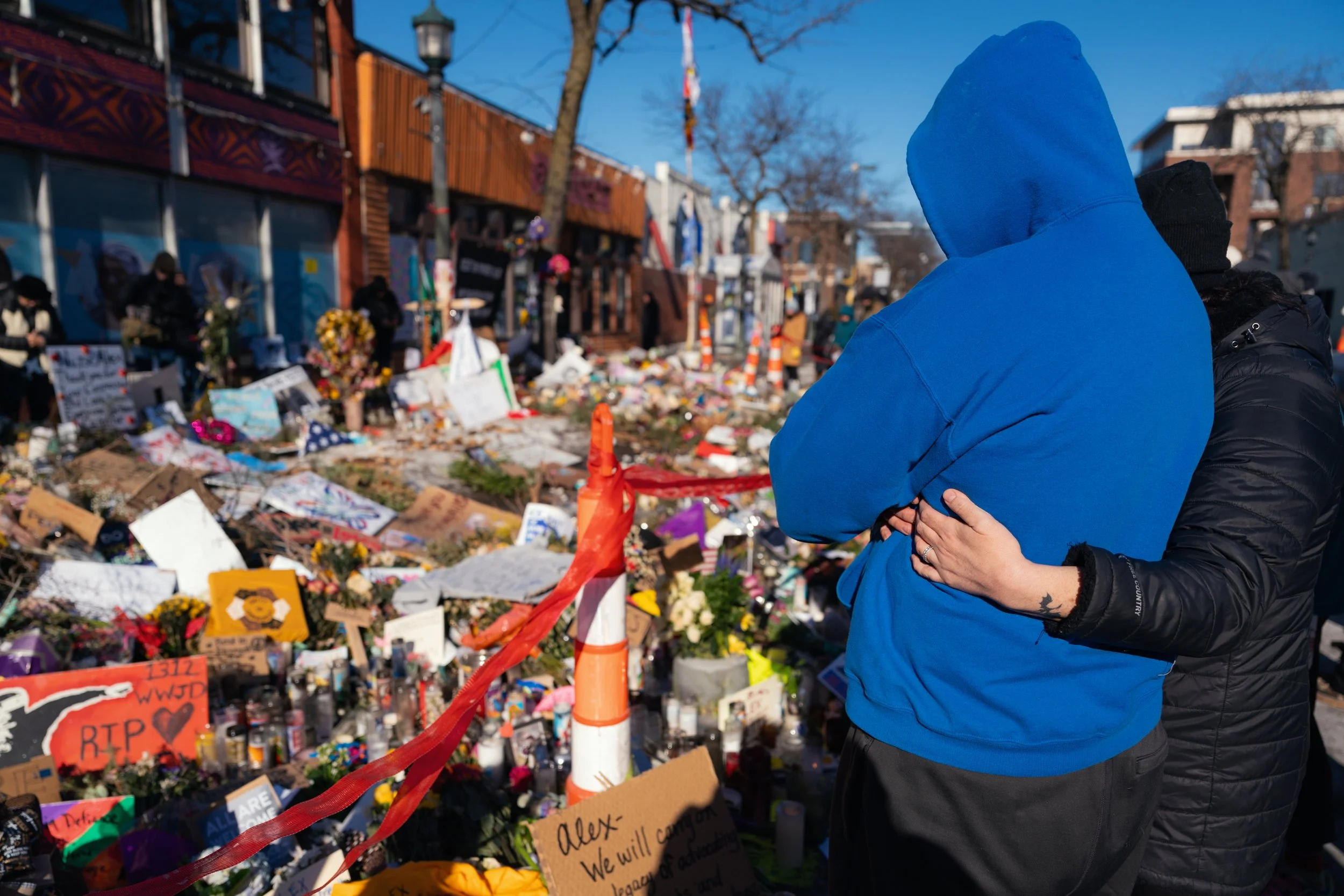
I’ll be blunt: Minnesota is on edge right now. Not only politically or legally, but just... emotionally. Federal immigration raids in our communities. Weekly protests in the streets, and it's staggering even to write this: two civilians killed in broad daylight, two miles from our home. Institutions that we expected to be boring and stabilizing suddenly feel brittle, trampled, inadequate.
Making images in this kind of moment asks something specific of a photographer. And I want to personally commend all of the photojournalists working long hours, in dangerous environments, on uncertain rules of engagement, to maintain visibility and honest communication of what's really happening right now.
[There are too many to count, but just to name a few: Victor Blue, Tim Evans, Jamie Kelter Davis, Rich Tsong-Tatatarii, Nicole Neri, Ben Hovland, and Stephen Maturen]
There's a clear and present temptation in stressful environments like these and, to a far lesser extent, the creative world as a whole: to override rest because the stakes feel too high for pause. That's usually when judgment starts to slip.
What burnout actually steals
Burnout might be culturally portrayed as a dramatic, cinematic collapse. But honestly, most of the time it arrives as a slow narrowing, the edges of creative vision gradually shrinking inward.
You stop noticing what's slightly off. Your risk tolerance shrinks and safe ideas start to feel "right" in the way comfort food feels like a meal when you're depleted. From my own experience, I simply listened less carefully, even when I was physically present, because part of me was already budgeting energy for what's next.
That's why burnout doesn't just harm people. It harms the work itself, and it does so in a way that can be hard to measure. Sure, the work still gets done. It still looks fine. It might even get praise. But it becomes mechanical, and we can all feel it falling apart, even if we can't point to a single concrete reason.
2021 → Now
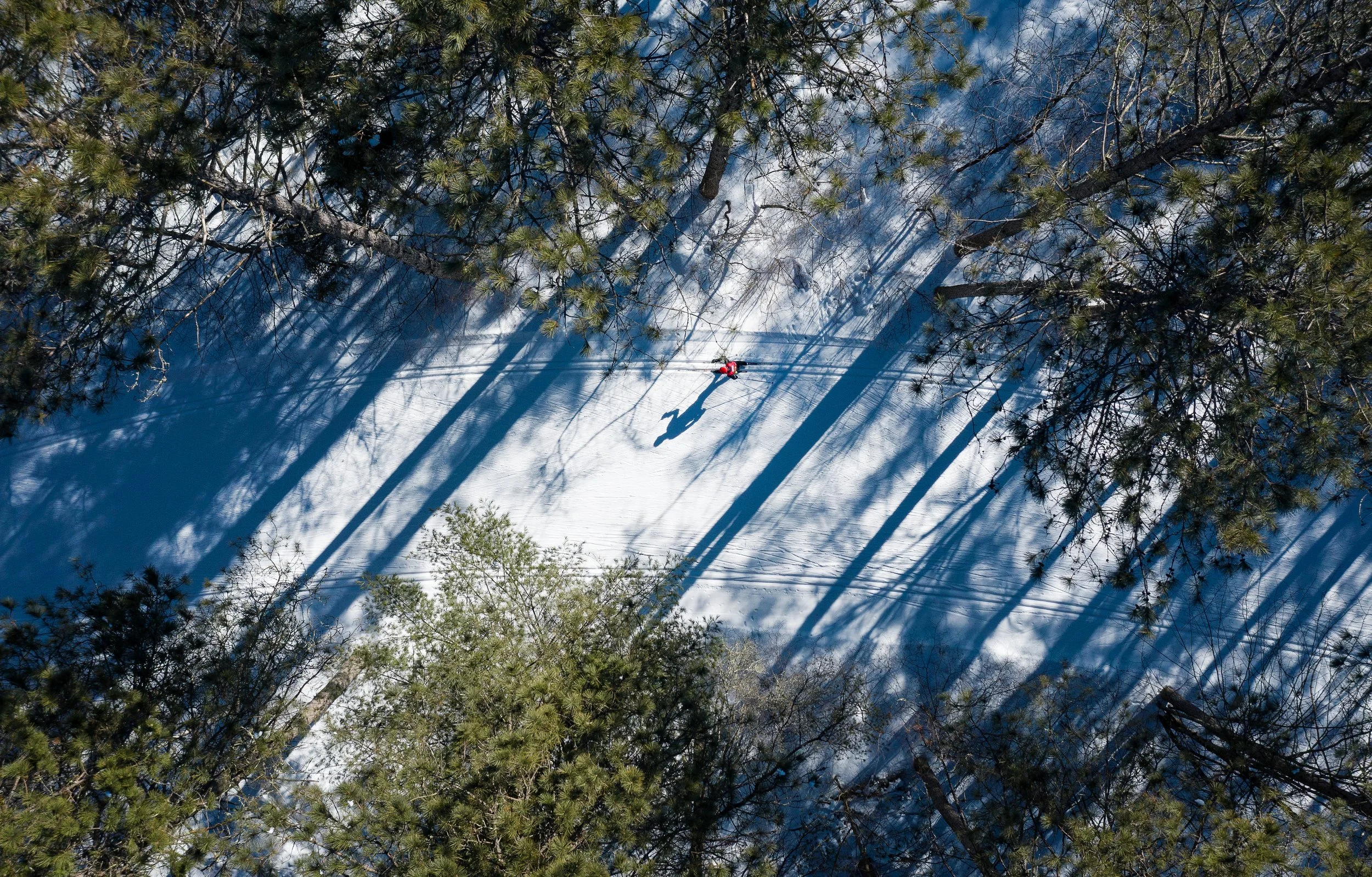
Let’s take a little trip back. In 2021, I spent time in northern Wisconsin photographing Ernie St. Germaine, the last surviving founder of the American Birkebeiner, the premier nordic ski race in the United States going back to 1973.
The race wasn’t canceled that year, but it wasn’t what it had been either. No mass start. No crowds funneling through the woods. Ernie skied alone on the course of his own choosing, wearing the same red bib he’d worn for decades. This one just happened to unfold without ceremony or raucous cheering on from Hatchery Road to Hayward.
It would be easy to turn his “Founder” status into a mythology of toughness. That isn’t how it felt to be around him. What struck me wasn’t the stat of now completing 50 Birkies (staggering as it may be) but the way the accomplishment seemed almost less important to him than the commitment underneath it.
He waited until the temperature warmed slightly before starting and his daughter acted as support crew. He moved at a pace that made the whole thing feel less like an athletic performance and more like a ritual, staying in contact with something that mattered deeply to him.

Photographing him required similar patience. There were few decisive moments to hunt for. I remember realizing that the point wasn’t to extract something from his story, but to stay present long enough for the story to show itself.
This winter, as February arrives again, I’ve found myself thinking about Ernie more than expected. About what it means to return to the same demanding thing year after year without turning it into a test of endurance for its own sake. About the difference between commitment and grind.
That’s what finally pushed me earlier this fall to train for the 50-kilometer Birkebeiner myself this year as an experiment and an attempt to understand, in my own body, what it means to prepare for something that can’t be rushed.
Training has been repetitive, occasionally frustrating, and regularly humbling. Any endurance athletes in the crowd here know… Progress arrives slowly, especially when respecting days when the rest is the work.
Strain vs. strength
There's a concept in strength training called time under tension. It isn't about how much weight you lift once. It's about how long a muscle is asked to carry load, and whether it's given enough space afterward to adapt.
This is the part that's easy to forget when we're all wired for max output: continuous strain feels productive. Always working. Responding. "In it." In the short term, it even looks like professionalism. But strain without recovery doesn't produce strength.
In a longer Medium piece, I dig deeper into how this idea shows up in creative work - especially when you're dealing with real people, complex stories, and stakes beyond deliverables.
→ Read the full "Strain vs. Strength" section on Medium here
A new definition of ‘professional’
This is where I want to be careful, because "sustainability" has become a soft word. It can sound like meaningless self-care branding or workplace wellness posters. That isn't what I'm getting at at all.
I mean something closer to professional ethics.
The strongest creative careers I know aren't the flashiest or the busiest. They're built over years by people who protect their judgment, who pace their output, who treat recovery as a prerequisite rather than a reward. Without retreating from ambition, they created a different model of what a “serious” career really looks like, from the ones we inherited. They are the most resilient.
What Lasts
If the work is going to matter over decades – to clients, to audiences, to folks in my images and films – then the person making it has to last that long too. The conditions under which creative work is produced matter as much as the effort itself.
Careers aren't won in sprints. They're shaped under tension, rested with care, and propelled by meaningful, purposeful work.
Longevity is not a compromise; it's the only thing that matters.