
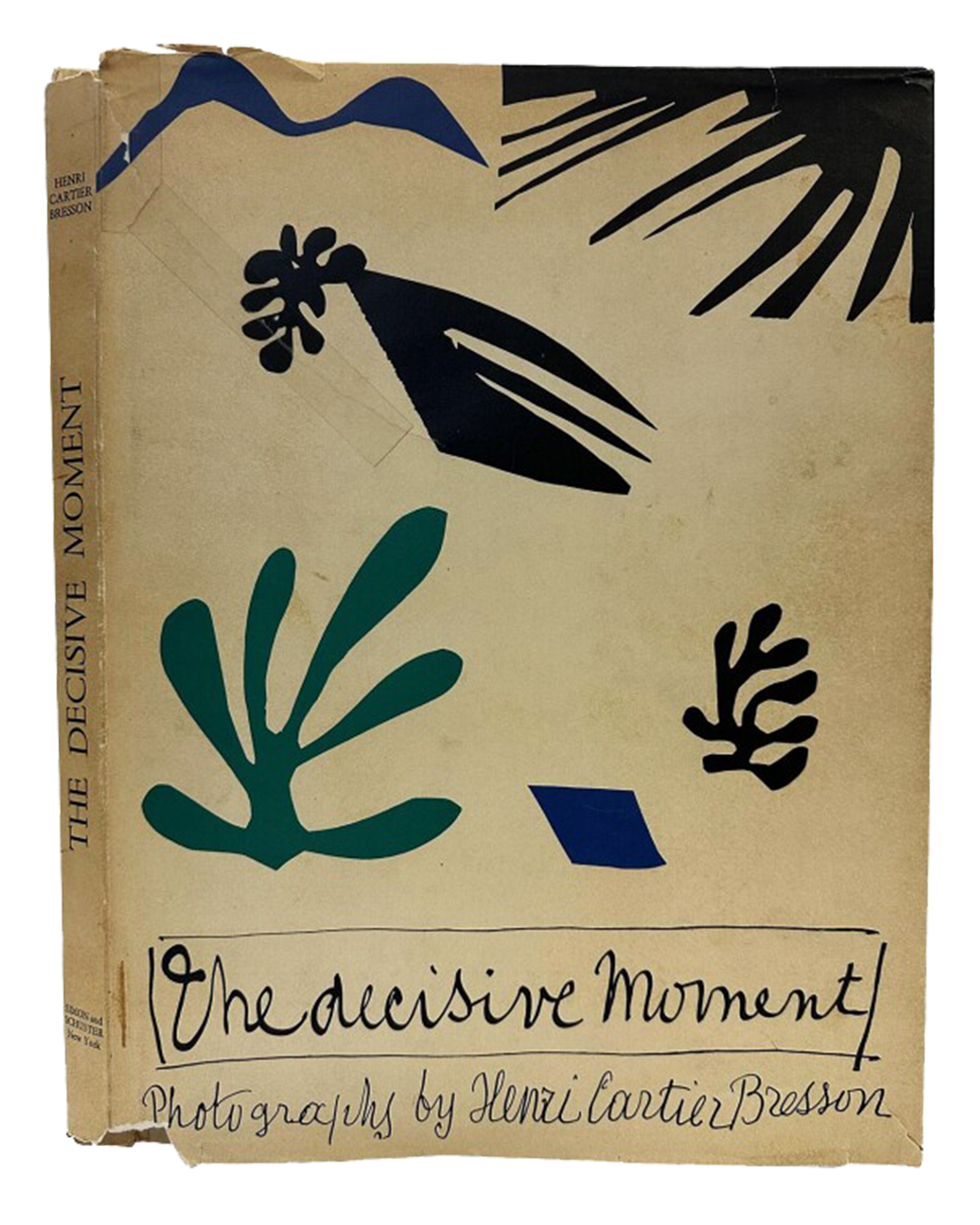
Buck the Orthodoxy
Virtually the entire photography world knows "The Decisive Moment." Most people don't know that Henri Cartier-Bresson didn't actually name it — a publisher did, borrowing a phrase from a 17th-century Cardinal's memoir. That's how orthodoxies work: a truth that worked for someone, somewhere, sometime, and subsequently ossified into a rule nobody remembers making. The question worth asking isn't whether to follow them. It's whether the conditions that made them useful still apply.
The middle isn't coming back. The question is which way we move
The creative market is splitting — and the middle that sustained a generation of working photographers and directors isn't coming back. Here's what I believe the K-shaped economy means for visual storytelling, production quality, and where serious creative work is actually heading.

Burnout Is Not A Badge of Honor
Somewhere along the way, creative industries decided that exhaustion was a sign of seriousness. It isn't. Burnout doesn't just harm the person — it harms the work, quietly and in ways that are hard to measure. Here's what it actually steals, and what longevity in this field really requires.

The Nobel Moment Every Creative Eventually Faces
In 1888, Alfred Nobel read his own obituary by accident. The headline called him a merchant of death. He wasn't offended — he was shaken. That moment of forced clarity pushed him to rewrite the trajectory of his entire legacy. Every creative eventually faces a version of that question: is the story people would tell about you the story you think you're living?

Lost in Translation: Why Words Matter in Creative Work
Creatives and clients use the same words to mean entirely different things. "Coverage" means one thing in the edit bay and something else entirely to the marketing director trying to justify the shoot to her boss. The gap between those two definitions is where projects go sideways — and where the best creative relationships are actually built.

How to Move Creative Needs from Survival to Significance
Most creative problems aren't actually creative problems — they're human ones. Borrowing from Maslow, there's a hierarchy at work in every production: from survival-level content that just needs to exist, through stability, alignment, and resonance, all the way to work that reflects who an organization actually is. Teams say they want to reach the top. But meaning doesn't happen by accident. It's a structure — and you can't skip the levels underneath.