How to Move Creative Needs from Survival to Significance

Most creative problems aren’t actually creative problems — they’re human ones.
I see it echoed in nearly every production, pitch, or shoot I’ve led – People don’t just need deliverables. They need meaning, security, clarity, collaboration, and yes — the space to make something that genuinely moves people.
Allow me to put on my nerd glasses for a moment… 🤓
Developed by psychologist Abraham Maslow in the 1940s, the ‘Hierarchy of Needs’ was designed to explain human motivation — from basic survival all the way up to purpose and fulfillment. His theory suggested that we move through five levels of need:
Physiological → Safety → Belonging → Esteem → Self-Actualization
We can’t truly unlock the next level until the ones below are satisfied.
It turns out, creative work inside companies and agencies follows a similar climb. And if you’re not aware of what level you’re building at, you’ll never hit the top. Let’s dig into what I’m calling the … ‘Hierarchy of Creative Needs’
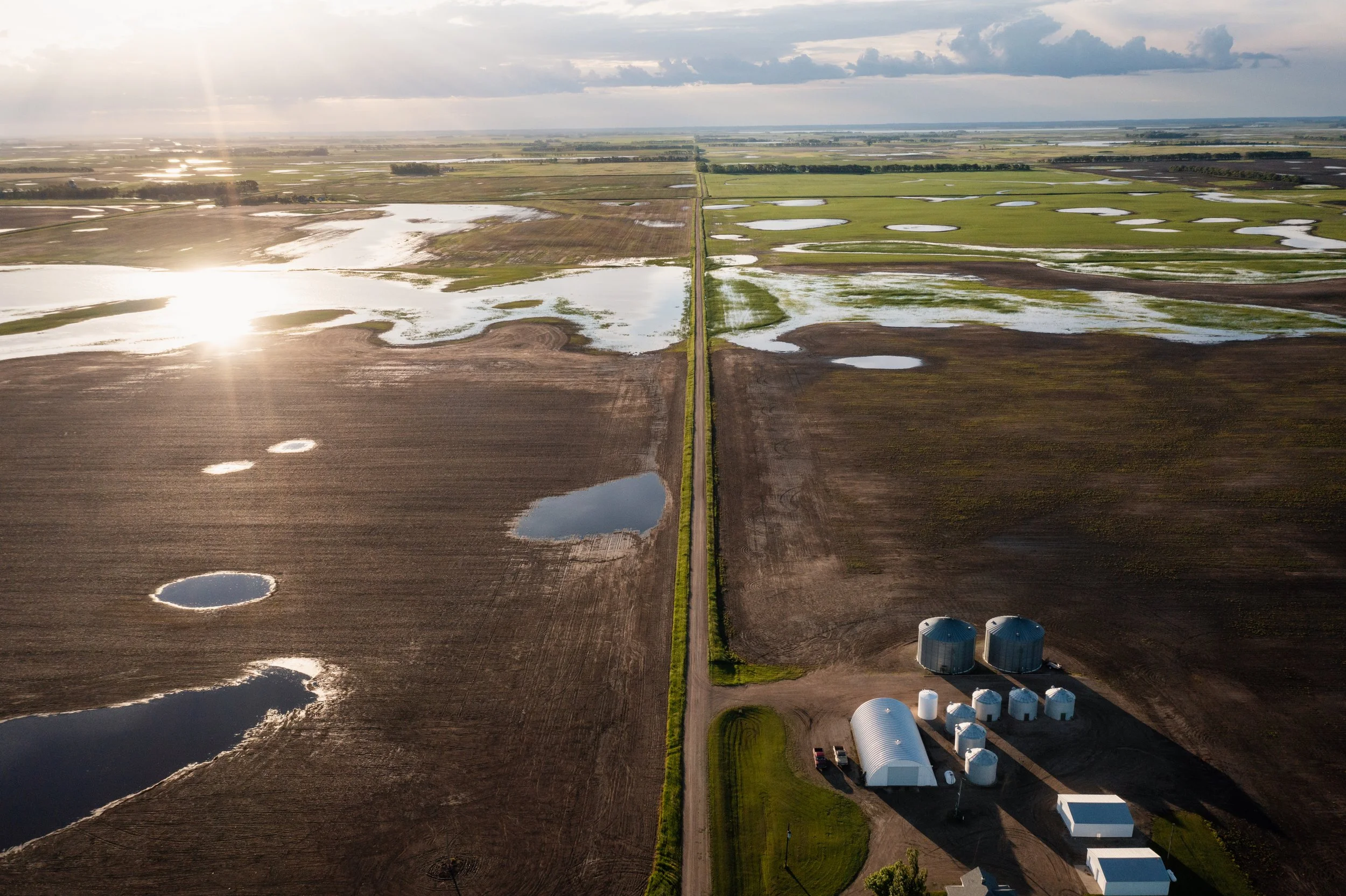
Level 1: Survival —
“We need content to exist”
Just like our most basic human needs — food, water, air — this is where creative work starts: the bare minimum to stay visible.
This is the “just get it done” tier. A shot list, a product, a screen to fill.
An up-and-coming brand needs headshots for its leadership team before it sends a pitch deck to investors.
A publication has a portrait slot and needs a freelancer to simply get something shot… yesterday.
A silent background loop for a trade show booth showing product footage, lifestyle b-roll, or process clips. It’s more moving wallpaper than intentional content.
A company needs a quick sizzle reel to show highlights from a leadership summit. The goal? Prove it happened. No deeper story or messaging.
What works: Checklists, reliability, clean execution.
What doesn’t: Expecting emotional impact from a box-checking brief.

Level 2: Stability
“We need a smooth process.”
After survival comes safety — predictability, consistency, the sense that things won’t fall apart. At this level, chaos is the enemy. Teams want predictable schedules, aligned stakeholders, no surprises. The creative is functional, polished, and reliable — but not necessarily memorable.
High-volume portrait sessions for leadership teams or event attendees
Step-by-step process shots for operations or training documentation
Multi-location interview shoot for an internal campaign or employee spotlight assets
What works: Production foresight, tight planning, respectful boundaries.
What doesn’t: Treating crew like plug-and-play vendors.
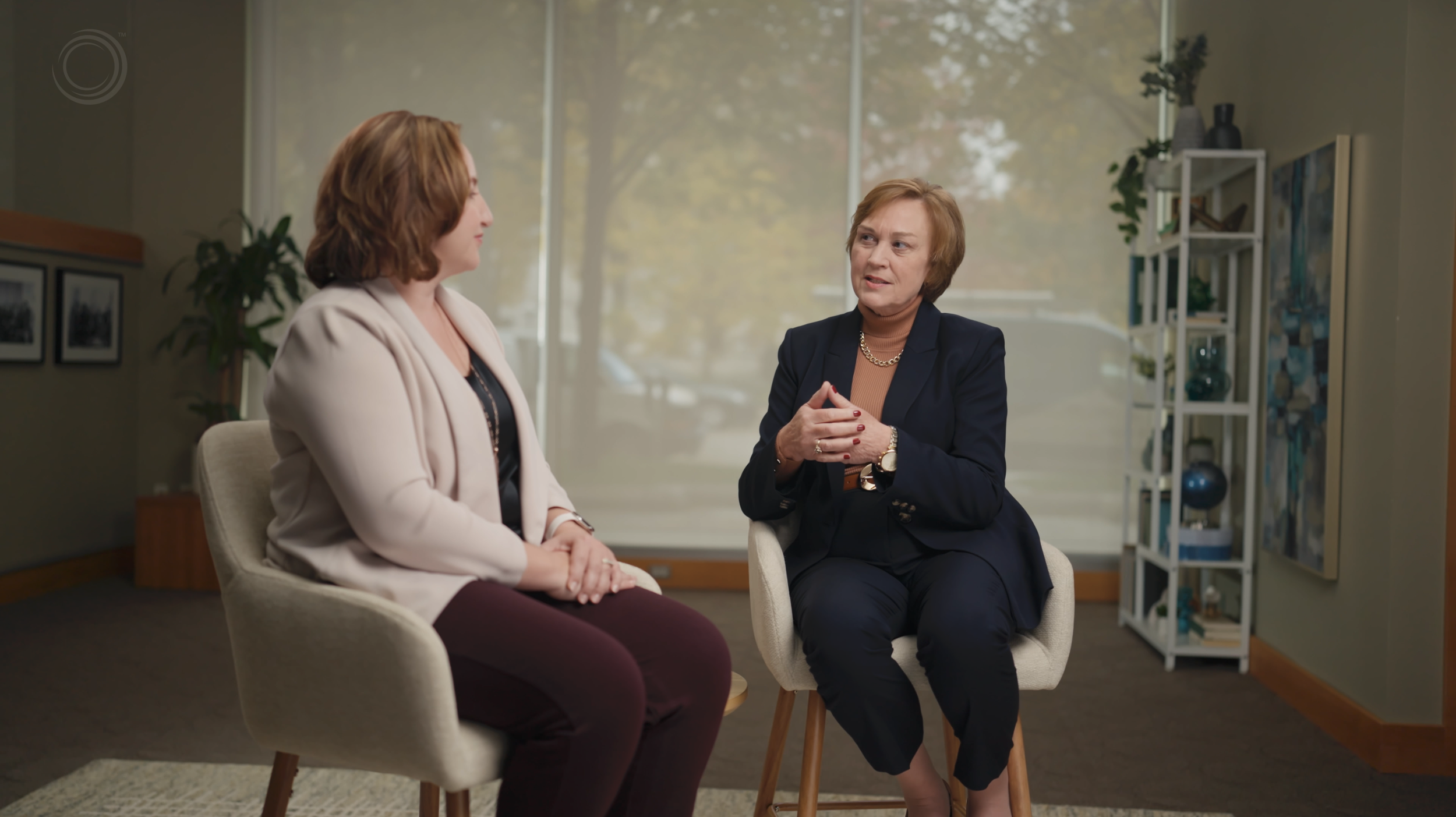
Level 3: Alignment
”We need strategically-supported creative work”
Humans need to belong — to understand where they fit and why it matters. The same is true of creative: it needs to feel aligned with something larger.
Here and beyond is where I usually enter the picture. This is the creative middle ground — the sweet spot — where production meets purpose.
A nonprofit needs to communicate both dignity and urgency in a brand launch video with cohesive visual language and voiceover narration
Image library buildout that reflects a brand’s tone and vision across age, ethnicity, and location settings
A national organization wants to provide a learning and development series for its members that’s as engaging as a Masterclass series
A healthcare company wants a testimonial video that aligns with its health equity strategy and patient communication goals.
What works: Listening before shooting. Bridging concept and execution.
What doesn’t: Doing what’s always been done.
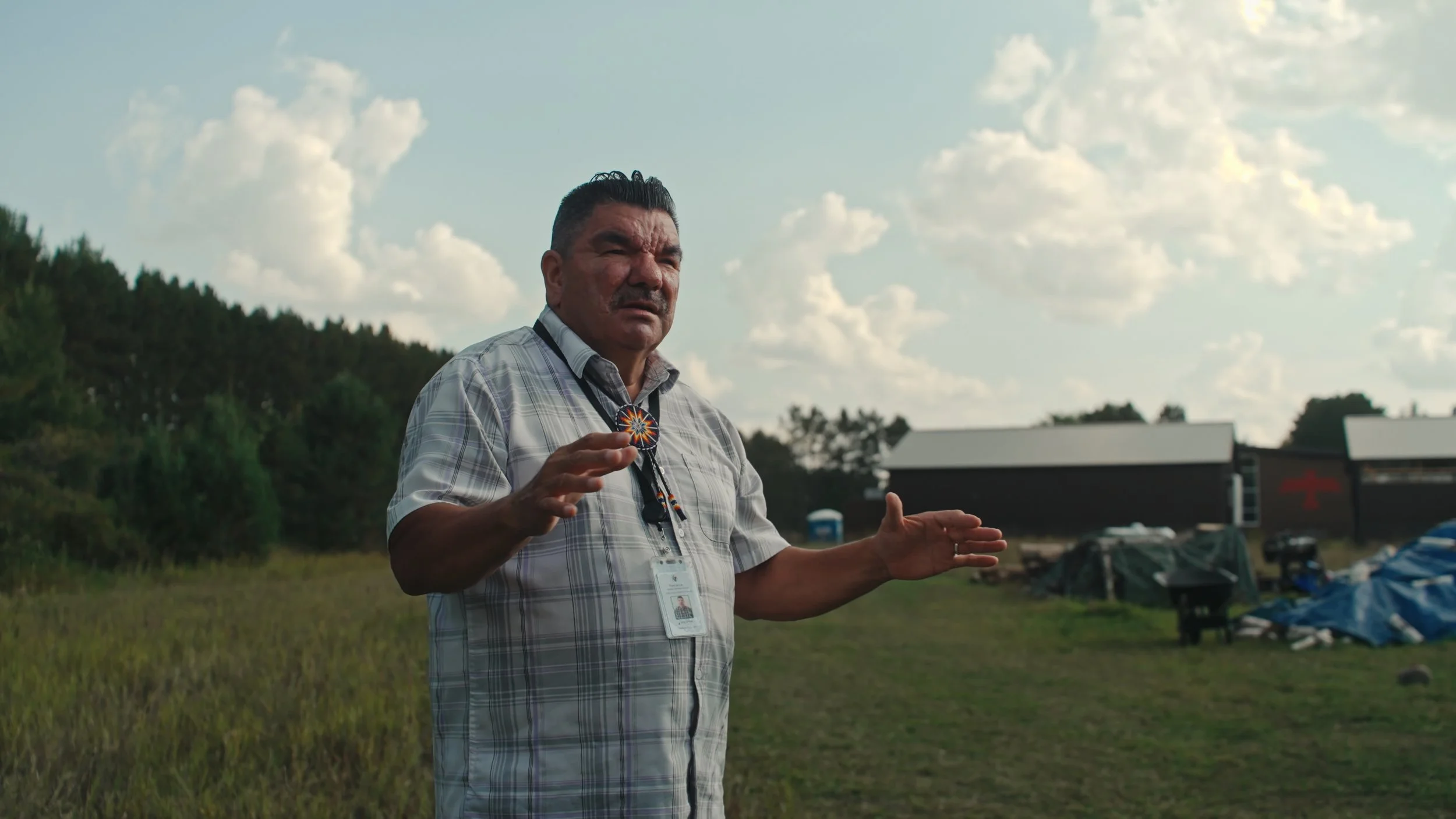
Level 4: Resonance
“We need to make people feel something.”
Just like humans seek recognition and meaning, creative work needs to move beyond function and spark an emotional response. This is the layer where meaning enters the room. Professional crew, lighting, authentic moments, editing and color mastery that reinforces every creative decision on set.
A photo campaign for a consumer product where the mandate isn’t smiling faces — it’s capturing tension, fatigue, or grit of real people.
A customer story video that slows down — fewer talking points, more space for emotion. You focus on one person’s experience instead of trying to cram in five.
A brand refresh that hinges on emotionally driven image selection — the difference between “stock-safe” and “gut-level real.”
Social cuts from a larger feature that doesn’t just tease content — it feels like a moment pulled from real life.
What works: Trust, nuance, story structure.
What doesn’t: Over-producing the life out of the moment.
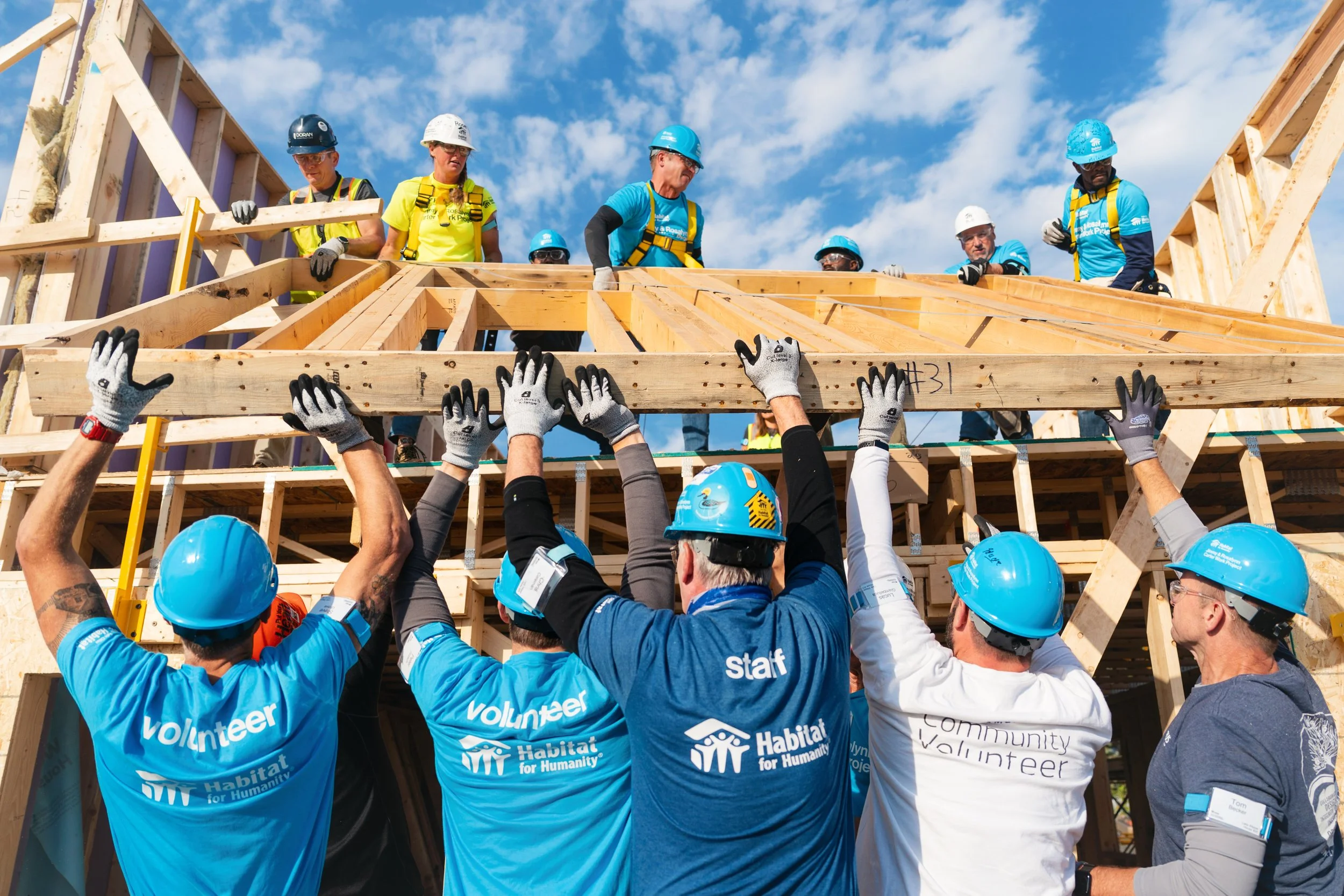
Level 5: Creative Actualization “We want it to matter — to them and to us.”
At the top of the pyramid is self-actualization — doing work that reflects your values, potential, and purpose as a brand, agency or editorial outlet. This is where creative projects stop being tasks and start being statements to the world (as painfully hoity-toity as I realize that sounds).
A CMO who’s used to “safe and clean” approves a set of selects that are raw, imperfect, and maybe a little weird — because it finally feels human.
A company rebrands not with a tagline, but with a body of work — visual essays, interviews, photos — showing who they are instead of saying it.
A nonprofit builds a longform piece around a single, quiet authentic story — no sweeping voiceover, no stat dumps — and donors say, “That’s the first one that hit me.”
What works: Space to stretch. Strategy with guts. Creatives trusted to lead.
What doesn’t: Playing it safe.

Most teams say they want to do meaningful creative work — the kind that connects, resonates, and lasts.
But meaning doesn’t happen by accident. It’s not a vibe. It’s a structure.
And too often, teams try to leap to the top of the pyramid without shoring up what’s underneath.
You can’t manufacture emotional impact if the work doesn’t have clarity.
You can’t create connection if the crew is scrambling.
And you can’t expect purpose to show up in the final cut if it wasn’t baked in from the first call.
But when the foundation’s solid, when everyone’s aligned, the brief is clear, and the team is trusted to push, that’s when the work starts to rise.
That’s when a campaign moves from “nice image” to “this matters.”
That’s the kind of work I’m in this for.
Creative work is still human after all — And when we build it right, it shows.
Let’s build something that climbs the pyramid.