Imperfection, Purpose, and Repair: Inspirations for How I Create
We’re drowning in … perfect.
With widely democratized access to creative and production tools that’ve exploded in popularity over the last decade, even an art school dropout can produce flawless lighting, perfectly-scripted testimonials, and AI-generated footage that looks like Roger Deakins vomited his grandest visions into a prompt box. (I’m lookin’ at you, Veo3 😳)
But the more optimized things get, the less anyone seems to care.
[Woof. That sentence stings to write, but as we sit here in June 2025 with a collectively fractured attention economy humming right along, it rings true.]
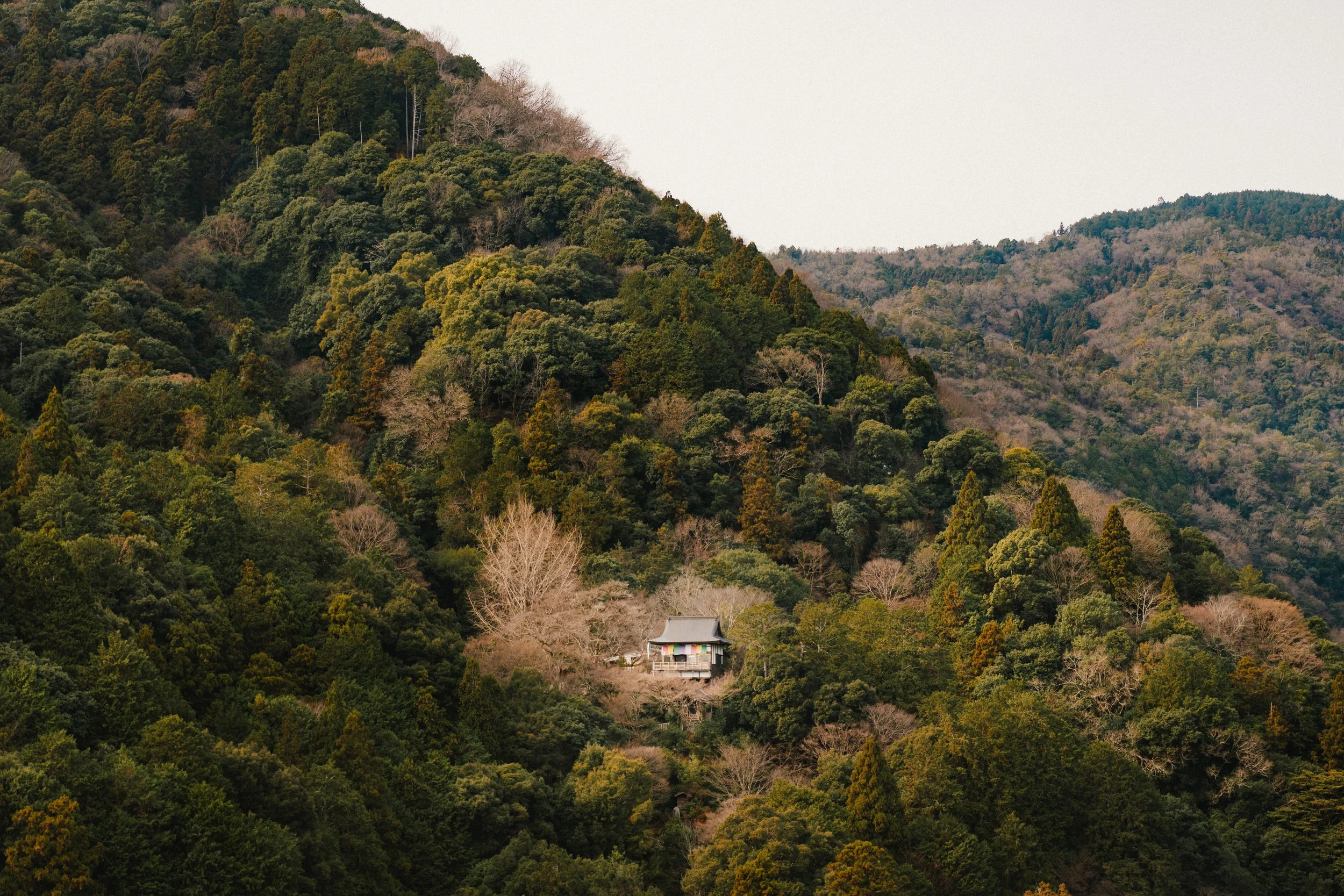
When I traveled to Japan at the outset of 2025 to explore, I expected to shoot images, yes, but also to mentally reset and find visual inspiration.
What I didn’t expect were three ideas I encountered while enmeshing myself in the culture there — wabi-sabi, kintsugi, and ikigai — that would influence my frameworks for client work, creative process, and even where I point my lens.
You’ve probably seen these ideas floating around Instagram in slick treatments or cringey LinkedIn posts.
But across Japan, they’re not pithy slogans. They’re systems. Embedded into craft, architecture, design, and daily life. I saw how they offer something deeply useful for our line of work, especially now, in a visual culture drowning in AI shellac, brand sameness, and content pressure.

侘寂 | Wabi-Sabi
The myth of perfection is killing amazing creative.
Wabi-sabi embraces imperfection, asymmetry, and impermanence. It’s not anti-aesthetic or sloppy, but rather it’s about finding comfort and enjoyment in the organic, raw, and incomplete.
What it looks like on location:
Shooting a project before having the technically “best” gear to shoot with
The ubiquitous imperfections of film, grain, and vintage lenses
How this shows up in my work:
On a recent interview shoot for a non-profit client here in Minnesota last month, I had two versions of a key point in the story. One was perfect: eye contact, clean delivery, technically spot-on. The other? She paused in the middle, looked off-camera, took a deep breath, and said, “I cry every time I tell this story…” and her voice cracked as she began.
We used that take.
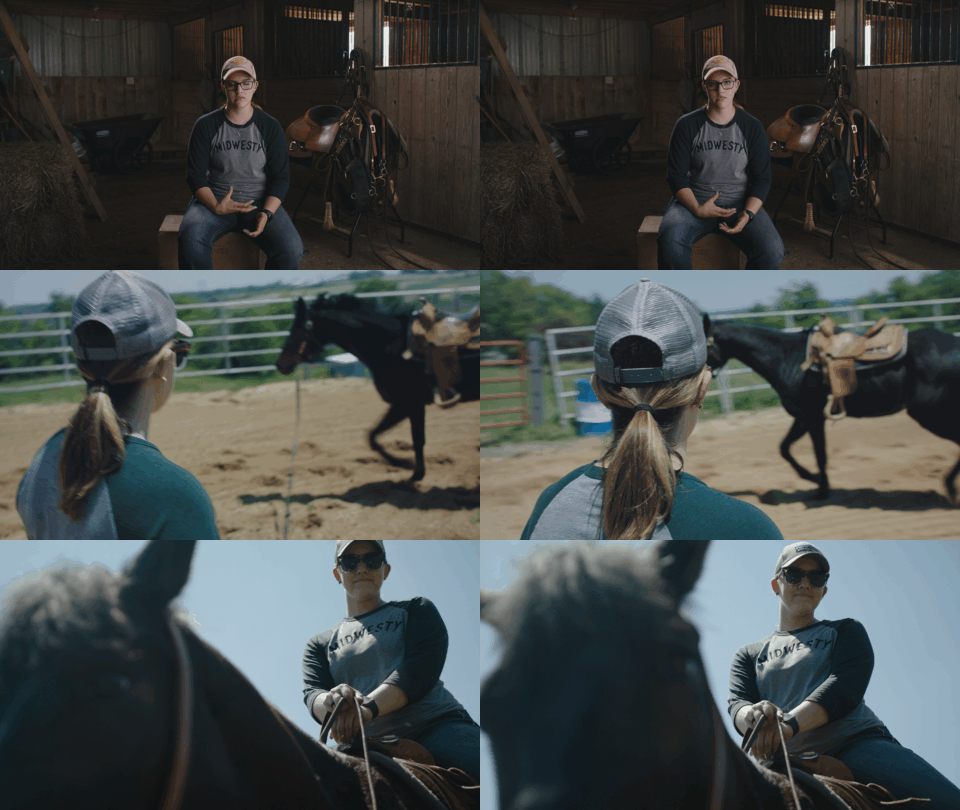
In a world where clients still ask for punchy, stylized content, there’s a strategic case for leaving in the mess. Imperfection can be a shorthand for authenticity builds trust.
“Flawed” work is often your most persuasive.
金継ぎ | Kintsugi
Fractures aren’t failures — they’re features.
Kintsugi is the art of repairing broken pottery with gold lacquer that emphasizes, not hides, the cracks. The damage becomes part of the design.
In creative work, we spend a lot of time trying to make things just right. Smooth edits, clean messaging, controlled studio environments (and don’t get me wrong, I can’t get enough of productions all go precisely to plan).
But mistakes, pivots, and unexpected turns aren’t detours. They’re often the most interesting part of the process. Kintsugi invites us to reveal those “breaks” and build around them.
Example from a recent project:
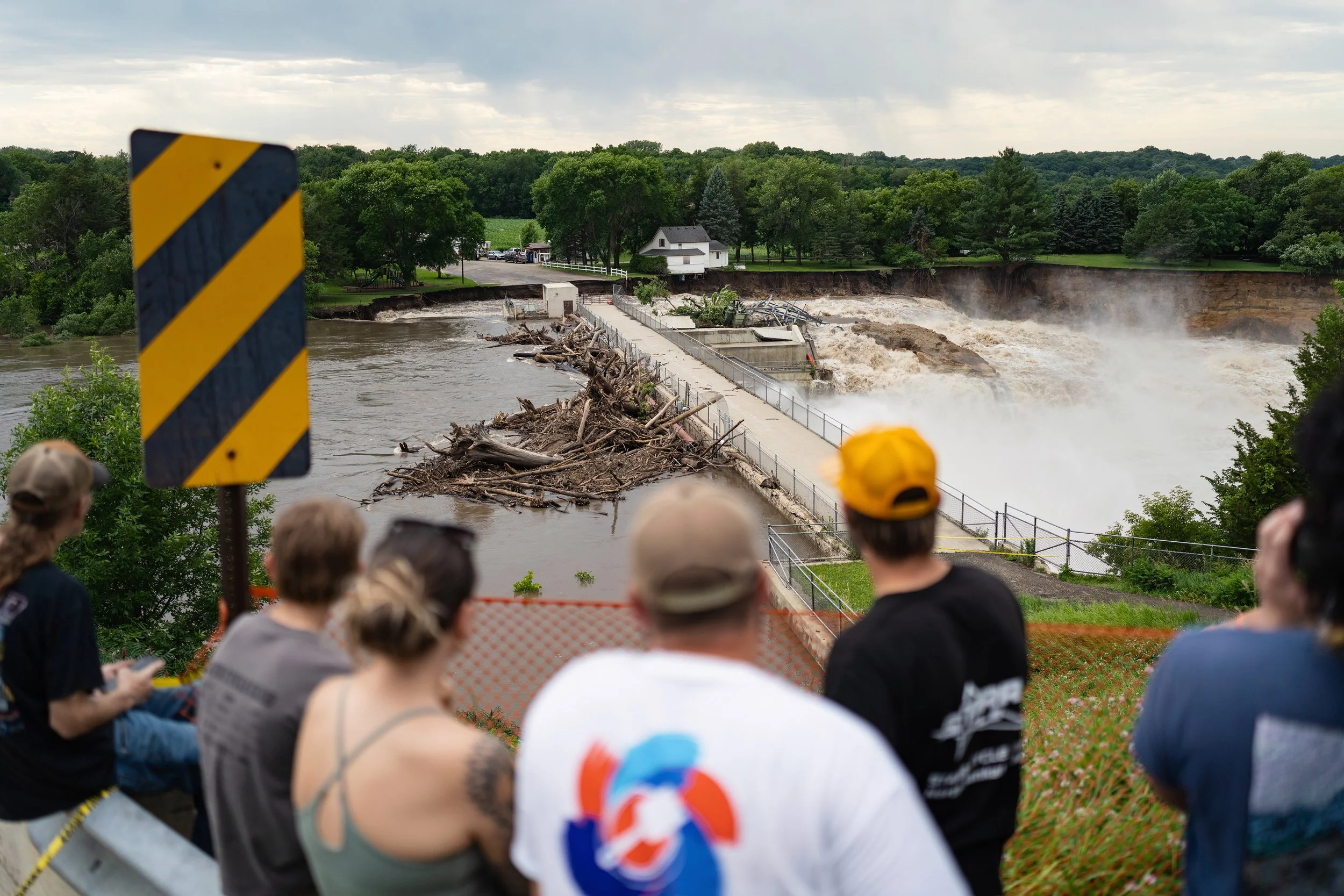
While filming a testimonial series for a small home services business, we lost access to our main location. On the fly, we rescheduled in the subject’s home. Instead of a sterile office, we captured him with family photos in the background, a couch he’d sat on thousands of times before, and a mighty guard dog (okay fine, it was a shih-tzu) that chimed in occasionally.
It wasn’t the plan, but it made the piece personal and emotionally resonant.
If something goes “wrong” on set, ask: What’s the lesson we should embrace?
Leave room in the schedule for unpredictability, as some of the best (and worst) stuff shows up late.
A chaotic client project reveals every weak point in your process and, if you’re paying attention, it becomes the best systems audit you’ll ever get.
People connect with things that have been through something.
That’s the gold seam.
生き甲斐 | Ikigai
The most overlooked skill in creative work is knowing why you’re doing the work.
Ikigai is often translated as your “reason for being”. It’s the intersection of what you love, what you’re good at, what the world needs, and what people will pay for.
But, don’t for a second think that it’s a self-help slogan. It’s a litmus test. A creative alignment tool. And a ruthless clarity check. When I’m feeling buried in deadlines, treatments, deliverables, and feedback cycles, it’s easy to fall into reactive mode and forget that core idea:
Creative work that fuels my soul, my skills, my surroundings, and my savings account.

Ikigai invites a different question with my clients: What’s the point of this project, beyond the deliverables in our contract?
Tactical Application:
Asking a portrait subject how they want to be seen, and using that response to shape your approach, not just your lighting.
Putting down the camera when you already know you got it, instead of overdelivering out of insecurity or pressure.
Shifting from proving technical skill to capturing a bigger creative vision because I’m more than a camera operator, but a story partner.
Pushing for clarity in intent. Why now, why us, why this story?
Ikigai isn’t about chasing passion or turning down paid work. It’s about finding alignment between what matters to me, what serves the world, and what has demonstrable value in the market — i.e. what drives me to say “Hell Yes”.
If our creative work doesn’t live in that intersection, you’ll feel it and so will the audience.
How I use this in my process:
Before every production, regardless of still photography or motion, I ask questions like:
Who are these visuals really for? Will that audience genuinely care?
What bigger truth in the world are we trying to bring out?
How will this feel when someone sees or watches it in five years?
If we can’t answer those clearly, I know the creative concept and wider plan aren’t aligned, and I’ll push for a stronger one.
My Big Takeaway
The deeper I get into this creative life, whether I’m shooting photography or video, the more I’m convinced of this simple truth:
You can’t outperform the creative world.
You can only outlast it with work that matters.
That’s where my compass is pointing.
Since coming back from Japan, I’ve realized these three ideas aren’t just philosophical, but operational.
Wabi-sabi helps me shoot with more presence.
Kintsugi helps me direct with more honesty.
Ikigai helps me prospect with more meaning.
These three concepts are more than aesthetic or philosophical window dressing. They’re survival tools. It’s about making work that reflects something real because readers and audiences remember not what was flawless, but what was true.
If that’s the kind of visual storytelling you’re building, or have aspirations to bring to the world, I’d love to talk.