Quit trying to be smart. Just be less stupid

“It is remarkable how much long-term advantage people like us have gotten by trying to be consistently not stupid, instead of trying to be very intelligent.” – Charlie Munger
I’ve been thinking about this quote a lot lately (not just because it’s classic Munger that’s entertaining and gets batted around in small business circles), but it might be even more relevant behind the camera. In a field where we love to talk gear, technique, and creative style or flair, the biggest unlocks I’ve found often come from the opposite direction:
Not by outsmarting the problem. But by avoiding obvious screwups.
In photography and video production, the myth of the creative genius looms large. You see it in the behind-the-scenes sizzle reels on Instagram, a director’s commentary, those slick hero shots posted to the portfolio. You hear it in conversations about the next “perfect” lens, the bold visual campaign choice, the one-take sequence that just clicked.
There’s an allure to the idea that great creative work comes from outsmarting the problem. From having the right instinct. The eye. The moment of brilliance. But in my experience, some of the most important wins I have don’t come from being a genius...
They come from not being a dumbass.
Or to use Charlie Munger’s more PG-rated, quotable phrasing: “Be less stupid.”
Creativity Doesn’t Require Chaos
There’s still this lingering idea that real creativity is fragile. That it needs chaos, and from that pressure, producing metaphorical diamonds.
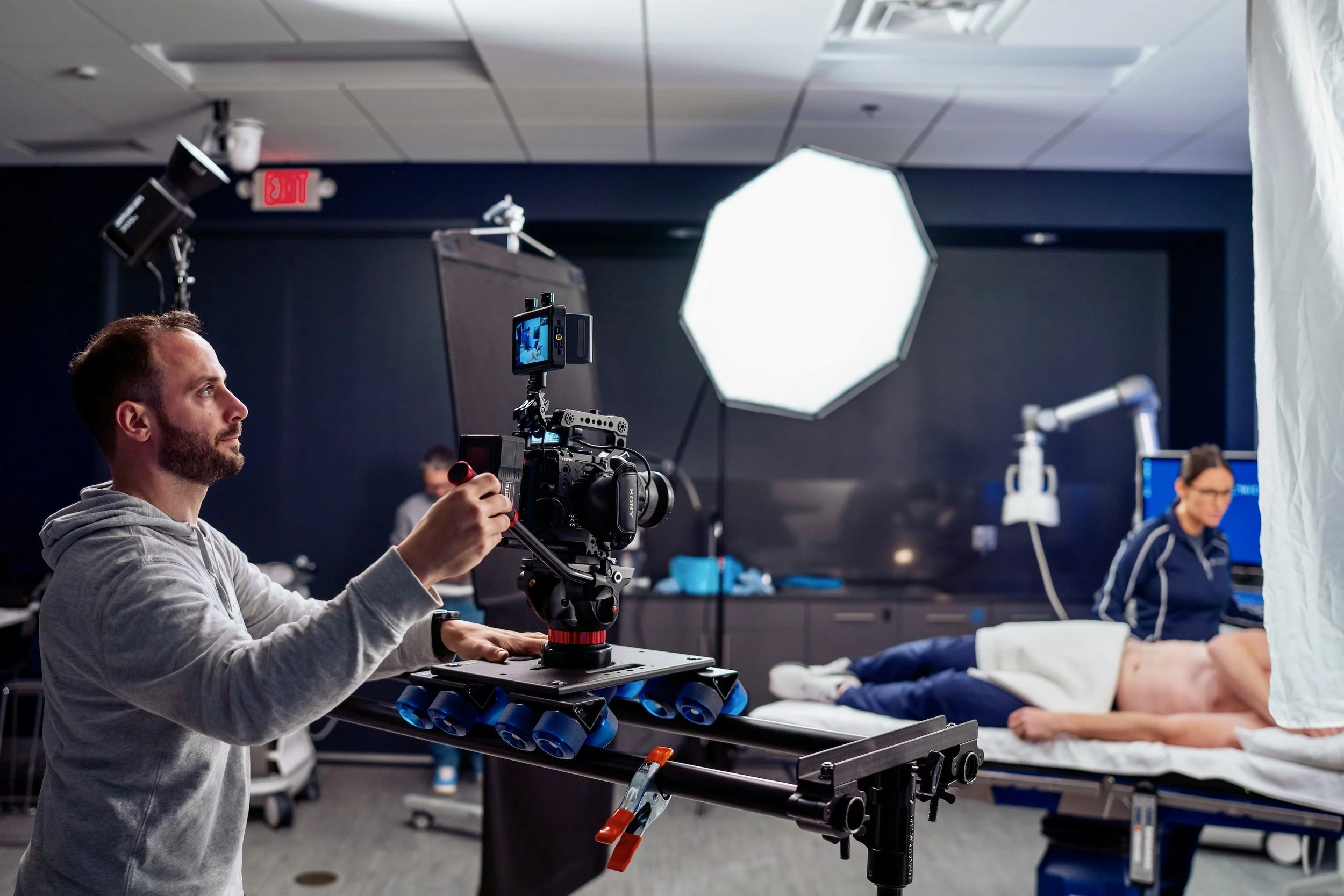
But the best creative environments I’ve been part of — from editorial shoots to brand campaigns share something else entirely: Structure. Guardrails. Margin for error. Not because the creators and producers involved weren’t talented, but because the work deserves not to be sabotaged by logistics and inevitable issues.
Think of it like mise en place in a kitchen. You don’t wait to chop your onions mid-dinner rush. You don’t scramble to find your fish spatula after the pan’s already hot. Good prep is what allows great improvisation.
The Reality of Trust
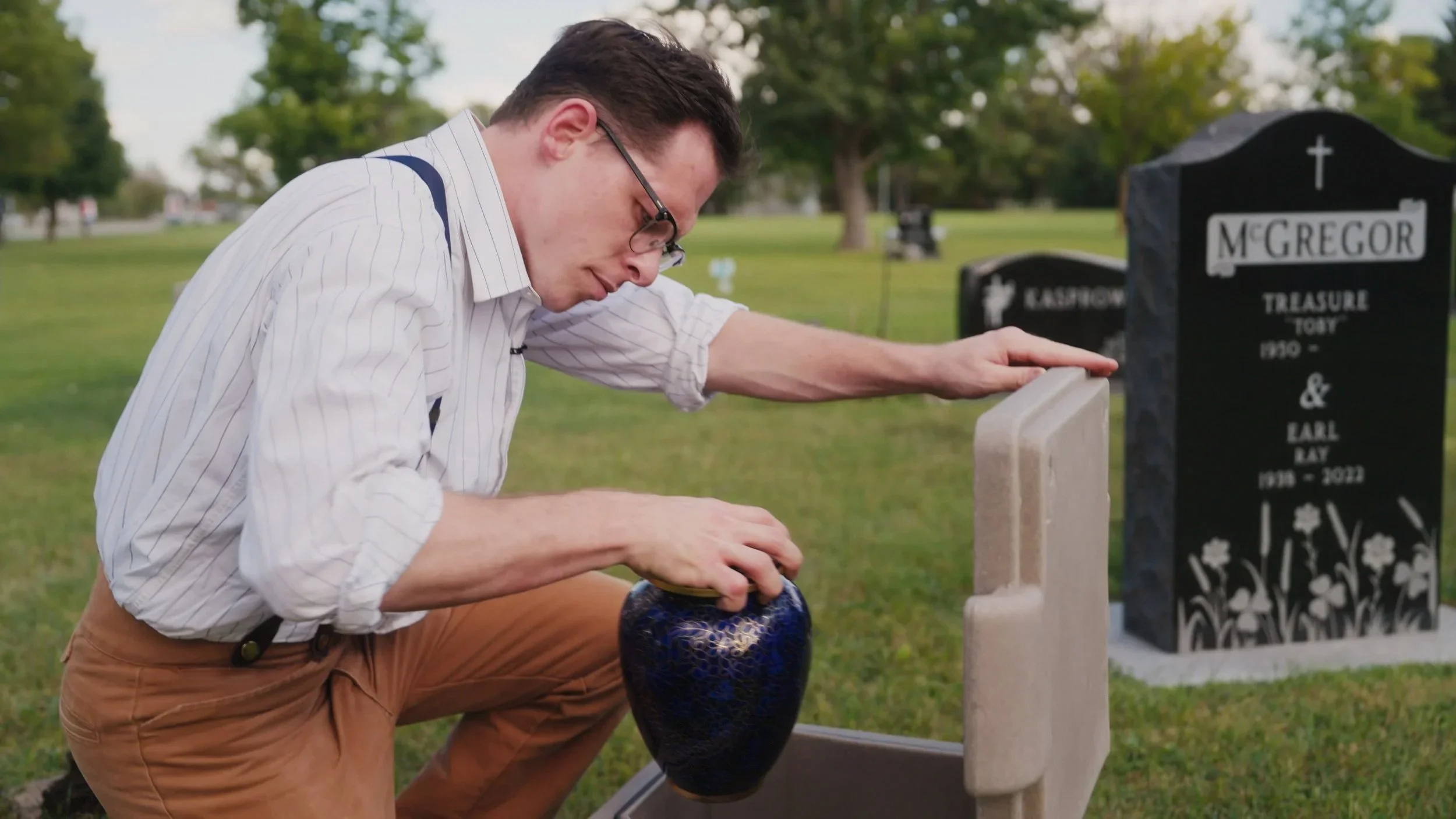
After wrapping a few recent projects in the last month that were all about trust, collaboration, and human storytelling, what kept them on the rails weren’t some moments of brilliance. It was avoiding the obvious mistakes.
On a recent project for the YMCA of the North, we were capturing a deeply personal story, and what made the day work best wasn’t the rig or the lighting ratio. It was everything else:
Walking into the space with a pre-light diagram and a foolproof plan, informed by scouting photos ahead of time, so there was no futzing with equipment during emotional moments.
Sending the interview questions ahead of time, not just to the comms and marketing team, but to the subject’s mom who had some reservations
Reassuring the subject that looking directly into the camera with an EyeDirect with examples beforehand wasn’t going to feel as weird as it sounded
None of those are what we’d call “creative breakthroughs.” But they were the difference between a production that felt smooth and supported and one that could’ve faltered in plenty of small ways.

Some of My Favorite ”Be Less Stupid” Rules
Let’s call these the opposite of hot takes. They are the things I’ve learned (occasionally the hard way, often at the worst possible moments) that now quietly run in the background of every shoot.
What Munger understood (and what I think applies just as well to creative fields as it does to investing) is that most failure doesn’t come from lack of intelligence. It comes from avoidable patterns. From repeating obvious errors. From being so focused on a flashy win that you miss the basic structure holding it all together.
Here are a few examples of what “being less stupid” looks like for me in production:

Make it easier for everyone to say yes.
For clients. For crew. For subjects. That means pre-visualizing lighting setups, detailed call-sheets, and having a plan for bad weather that still delivers. But like I talked about with the YMCA shoot, prep isn’t just technical. On productions, prep for how someone might feel when they arrive on set. Are they nervous? Exhausted? Distracted? My cable management matters way less than the ability to read a room.
Make your file organization idiot-proof.
You think you’ll remember that “BBP_000324.arw” was the product hero shot? You won’t. And there isn’t a snowball chance in hell you’ll remember what “Untitled Project 24_mix2_FINAL_FINAL.mp4” is six months from now.
Clean file structure is a sanity-saver in post and an insurance policy on future revisions. Label everything like your future self is sleep-deprived and under a deadline.
Don’t trust a full battery.
Especially if it’s been sitting in your bag all week. If it’s been sitting in your gear locker untouched since your last project, assume it’ll die the moment it matters most when you’re on set with everyone watching. Never again.
Always have a three-legged stool.
I know I’m a total nit-picker when it comes to this, but I’m never feeling settled until I’ve made backups across three locations, two different physical ones for archival purposes, even if it’s “just a quick headshot”, “just a pickup”, or “just a quick drone shot”.
Never assume someone else packed it.
Power strip. C-stand knuckle. Tripod Plate. Headphones. Memory cards. Regardless of the scope of production, if it’s mission-critical and you didn’t touch it yourself, don’t assume it’s in the bag.
Get the safety shot before you get fancy.
It’s easy to chase the clever frame and never swing back to the clean one. But nine times out of ten, my editors and clients will want options. Start with the obvious, then get weird. Fancy only works if you’ve already got usable coverage (in both orientations). I can always flex the style, but I can’t reshoot what never made it to the card.
These are boring things. But boring things are often what protect the brilliant things from getting compromised.
If it can go wrong, it will unless you’ve already accounted for it. That’s not cynicism, just production experience.
The Work Deserves Better
Every creative person I know has a war story. The memory card that failed, the battery that didn’t charge, not hitting the record button, the subject’s name misspelled in the lower-thirds on the final version, just to name a few. It’s about not making the same avoidable ones over and over again.
Good creative work often gets the credit. But great logistics — and the humility to learn from past mistakes — are what give that work a chance to happen.
I think the deeper lesson here isn’t about packing lists or checkboxes. It’s about consistency. Showing up in a way that gives clients confidence before they see a single frame.
Charlie Munger built an investment strategy around this principle. I built creative processes around it.
And while I’ll always chase big ideas for visuals, emotional depth, and striking stories, I’ve also learned to chase fewer dumb errors. I believe the real superpower in production isn’t creative genius perfection; it’s reliability.
Put simply, hope isn’t part of my workflow.
And if you’re planning a project where you’d rather skip the avoidable chaos, you know where to find me.