In Praise of Friction
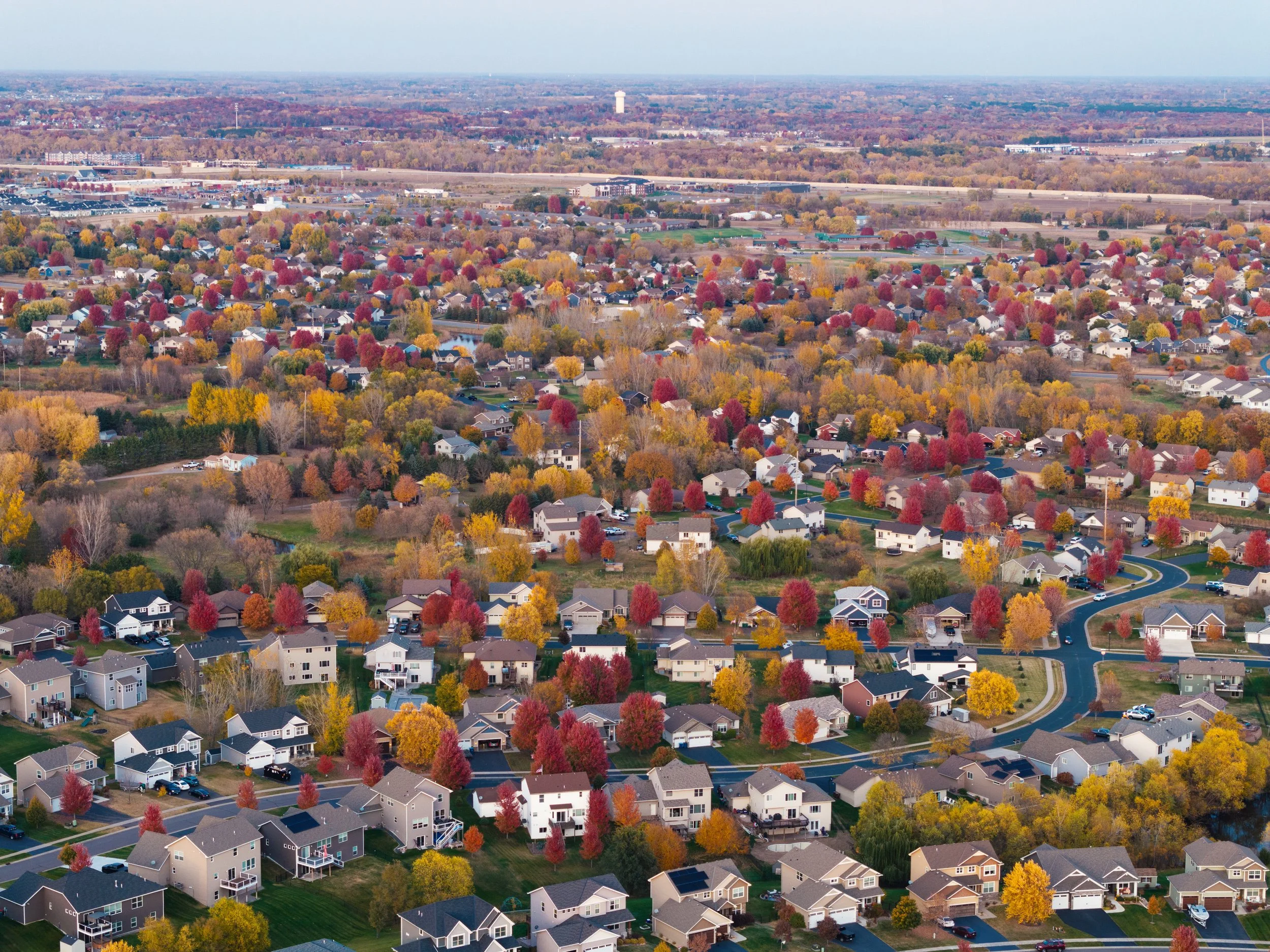
We live in a world obsessed with smoothness.
Our interfaces are intuitive. Our deliveries are overnight. Conversations are compressed into Slack threads, voice memos, and 1.5x playback speed.
Tap to buy. Skip the intro. Swipe right for love.
Friction, in all its forms, is framed as failure. A sign that something’s broken, inefficient, or overdue for disruption. We crave the shortest path between intent and reward, and our tools are more than happy to oblige. We’re told that friction is the enemy.
But in my experience, the most meaningful parts of my life (and my creative work, specifically) depend on friction. Not just tolerate it. Need it.
Not because I’m a snobbish purist or a Luddite. But because time and again, I’ve seen how rough edges, constraints, complexities, and complications shape the final product in ways that optimization never would have. Some of the greatest images and moments I’ve made weren’t the easiest. And they’re better for it.
There’s something valuable (and increasingly rare) about working through something rather than around it.
That friction leaves traces in the final product, changing what it feels like. It’s the force that makes it real.
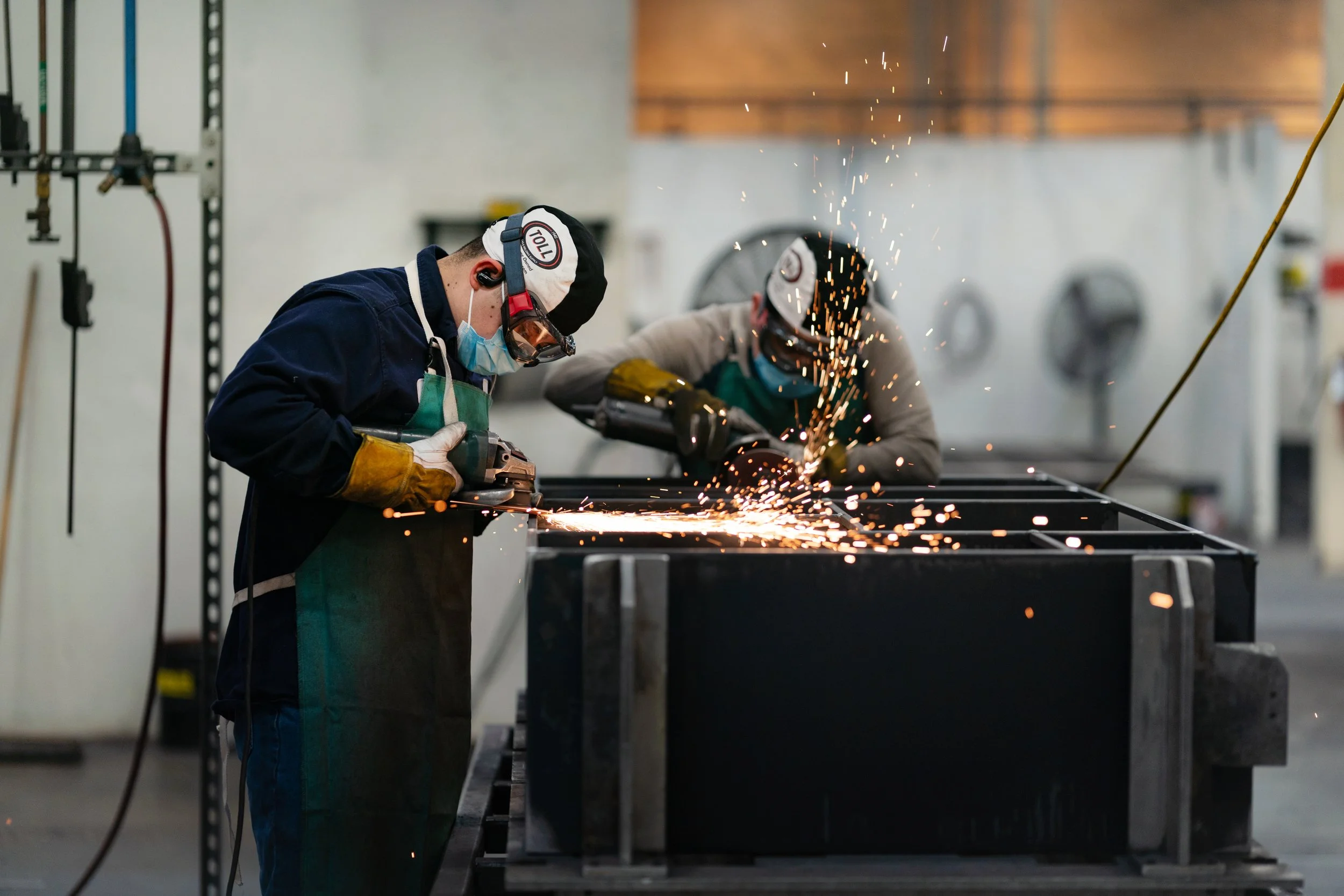
Friction sharpens instinct
Photography and cinematography are often thought of as the realm of split-second timing and all about being fast, reactive, or decisive. (And sure, that’s obviously part of it. There’s no replacement for instinct, especially on sports/athlete shoots or moving quickly on feature assignments)
But I believe that many of the best images across subjects come from a kind of slowness. Specifically, a willingness to sit with discomfort.
The extra minutes you spend building rapport with a portrait subject who needs time, space, and trust before opening up before the camera ever comes out.
To wrestle with a shot list that’s not quite working.
On-the-fly thinking when the light’s wrong and there’s no grip truck waiting around the corner.
It’s making one lens work in a project that begs for three.
Or a long route production-wise with multiple scout visits, sitting collaboratively with a story to earn real access
These moments don’t appear in behind-the-scenes reels, pitch decks, or production notes, but they’re everywhere. And exactly where real creative judgment gets forged.
Not in perfect conditions, but in constraint, tension, and recalibration. And when you work through rather than trying to shortcut them, it develops instincts that can’t be taught otherwise. You begin to recognize when to wait, when to let go, and when to try something slightly riskier.
Friction isn’t chaos. Friction isn’t failure. It’s the part that can’t be automated, templated, or rushed. And over time, it’s what sets real, meaningful work apart through thought, choice, presence, and adaptation.
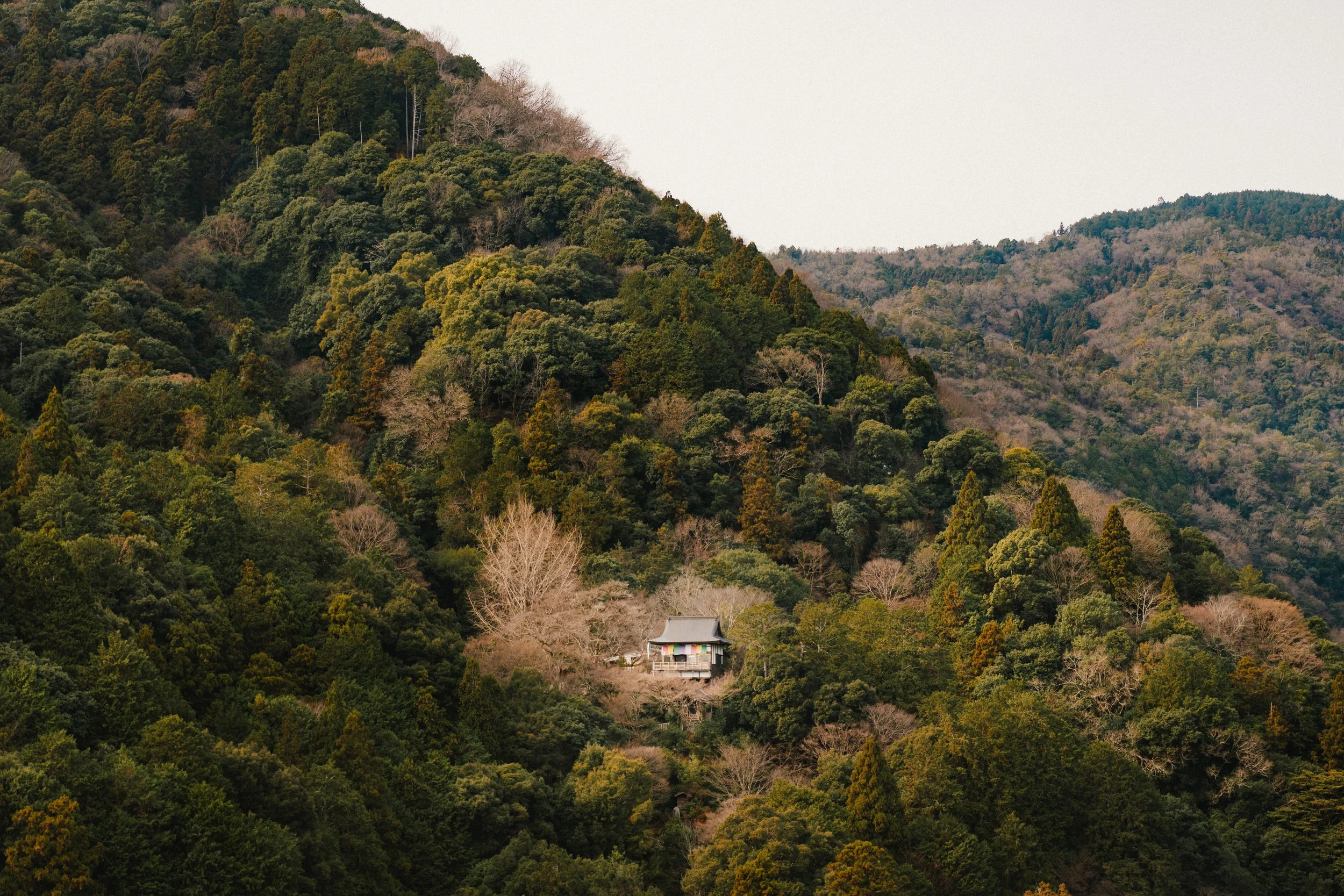
Slowness as a design principle
I often think about how analog tools didn’t just resist speed, but they invited this slowness through friction, baked into their design.
Shooting on film didn’t just limit me to 36 exposures; it asked for commitment to a project. Manual focus didn’t just delay the capture; it made me more present. Printing in the darkroom didn’t just take longer; it changed the way we saw light, contrast, and detail.
Even now, with fast glass and powerful sensors in hand, I find myself seeking out moments of intentional resistance. Not out of nostalgia, but because they’re clarifying. They create a small but powerful moment to decide whether what I’m doing is actually worthwhile.
Sometimes it’s the gear itself that introduces the kind of friction that makes you more present. I’ll shoot with older or vintage lenses that aren’t sharp edge-to-edge, flare easily, or have weird falloff — not because I want a “look,” but because they force me to slow down in the process. I have to compose more deliberately. I have to pay attention to pulling focus. I have to work with imperfections, not correct around them.
In a culture that rewards ease and speed, deliberate friction can feel radical. But it’s often where the depth of experience begins.

Not all friction is good, but some is necessary
Let me be clear: I’m not romanticizing inefficiency for its own sake. I’ve run lean productions, met absurd deadlines, and delivered quality work without always needing the scenic, friction-filled route. I am not here to defend chaos.
Nor am I confusing this with what author Steven Pressfield calls The Resistance, in his near-poetic bestseller ‘The War of Art’, an invisible force that keeps us from doing our most important work. That kind of resistance is internal. It’s fear dressed up as strategy. It’s the voice that says, “Maybe tomorrow…” That’s a whole separate force and struggle to be reckoned with.
But what I’m talking about is different.
Friction isn’t a blocker inside us. It’s a texture in the real world around us. A tough conversation with a client, a location where the best light falls in the least convenient place, or a nonprofit leader who wants to be off-camera, but is central to the story. It’s the kind of resistance that shows you’re engaging with something real.
The goal isn’t to eliminate that kind of friction. It’s to listen to it. To learn from it. The obstacle is the way — not an excuse to avoid it.
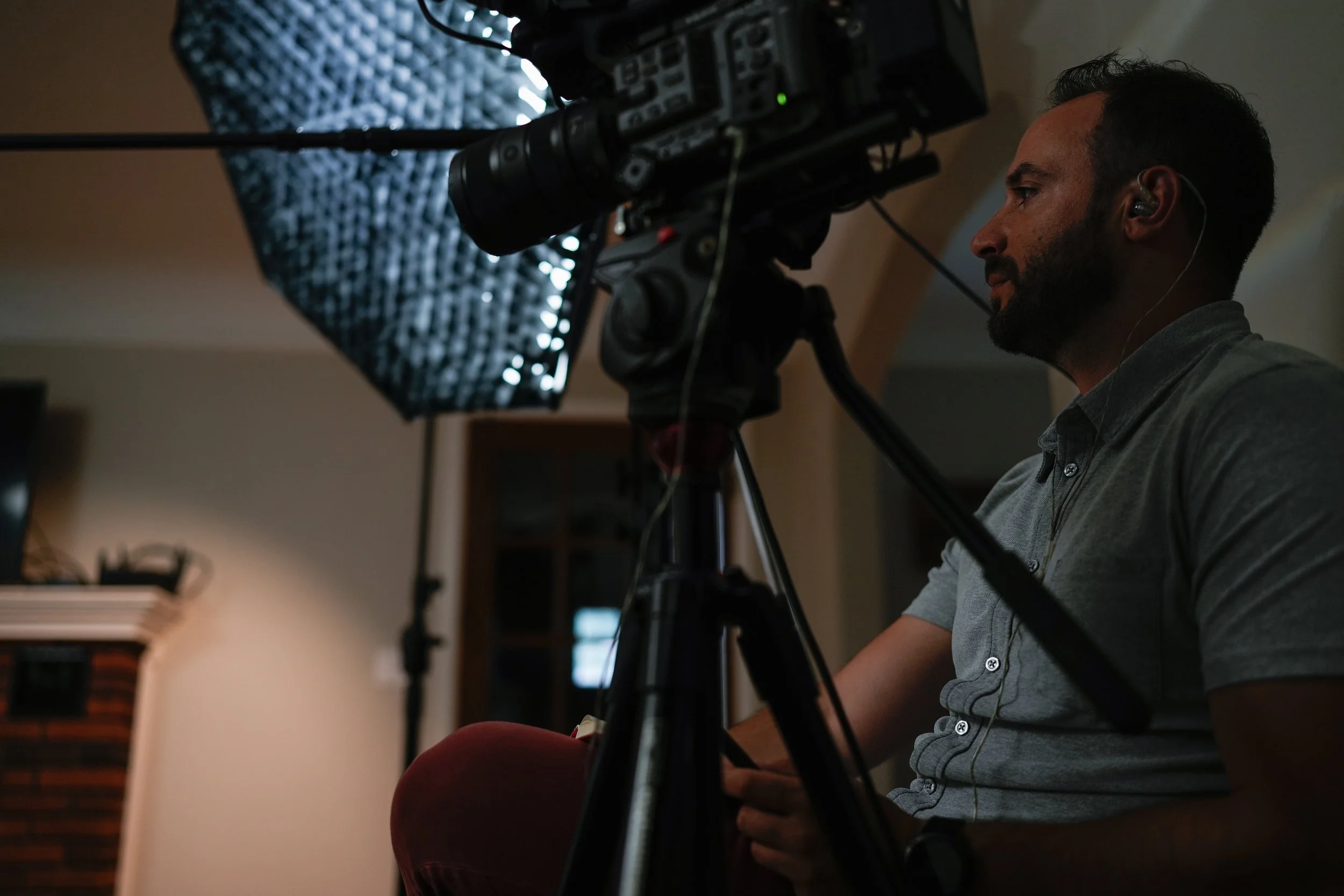
📸: Zach Spindler-Krage | @zachspindlerkrage
Friction is emotional, too.
It’s easy to talk about technical friction — the gear, the logistical. But there’s a deeper kind that matters just as much: the human kind.
A photo is often a negotiation. Especially in work that centers real people and real stories, authenticity doesn’t come without discomfort.
Working with people who’ve never been photographed before or who’ve only ever seen themselves through posed, performative lenses means undoing a lifetime of image habits. You’re reshaping their self-perception in real time.
And sometimes, the friction is mine. Distraction, fatigue, or the pressure to deliver can pull me out of the moment. The independent Photographer/DP career isn’t for the faint of heart. But presence isn’t optional when you’re asking for someone else’s trust.
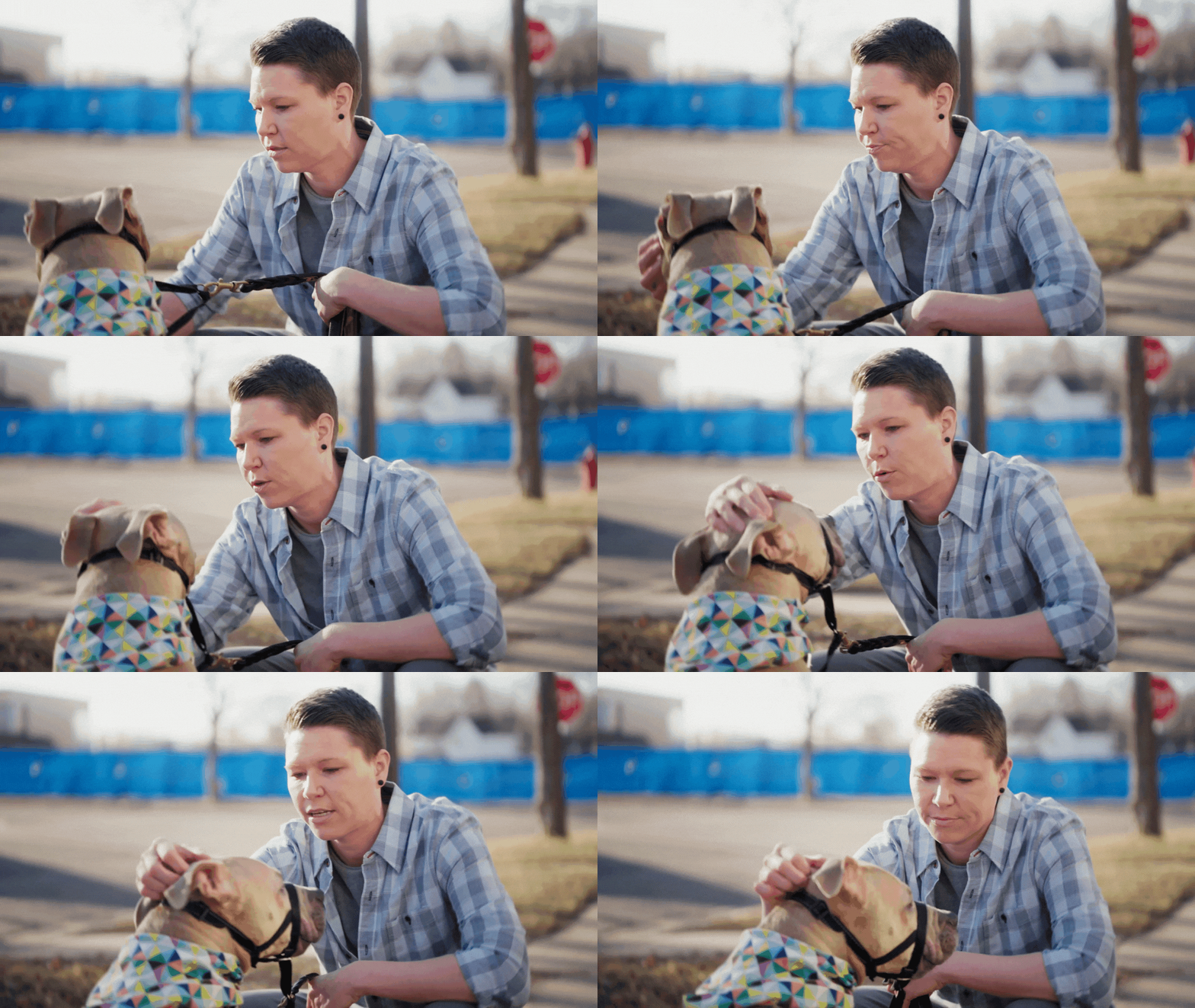
Whether I’m photographing a doctor, an athlete, a CEO, or a kid at camp, the process matters. Sometimes, the moment I’m hired to capture only happens after I’ve proven that I’m willing to sit through the friction with someone else.
Closing Reflections
As creative professionals, we’re surrounded by tools that promise to remove friction at every turn. And yes, absolutely, a ton of those improvements are useful, especially when they free us up to focus more fully on the work itself. But I worry that in our quest for ease, we lose sight of something important: that ease is not the same as impact.
Friction can be frustrating. It can be messy. But it also builds muscle. It teaches us to listen. It sharpens instinct for what matters.
If the work feels difficult — good. It means you’re paying attention.
It means you’re doing something that might actually be worth it.
Let’s not forget: stories are shaped in the struggle. So are we.