The discipline behind authenticity (and why so many miss it)
Everywhere you look, brands are selling authenticity the way counterfeiters push product: convincing at first glance, worthless once inspected.
We live in a world where J.Crew tried to reanimate its vintage catalogs with AI and ended up with off-kilter hands and shadows that reek of slop. Where wellness brands launch campaigns with “community voices” that turn out to be stock avatars. Where Scarlett Johansson’s face was dropped into a viral “activism” video she never consented to.
As a photographer who lived and breathed making honest images of real people for a decade, I believe that authenticity has become the most counterfeited currency in culture, and its pursuit is no longer a signal of truth, but a sleight of hand.

A Scissors vs. Frosting Problem
That’s why the discipline I learned in newsrooms feels more urgent than ever.
My early years in editorial and photojournalism taught me the fine art of how to kill my darlings to put the best image front and center (and how to detach your own personal experience of making an image from how strong of an image it actually is).
One photo needs to do the job of twenty. One strong, well-organized caption had to carry the weight of a paragraph. There was no safety net. You got to the point, you got to the truth, or it got cut. In journalism, discipline is survival.
However, the more closely I pay attention to the world of brand and agency work, the instinct there seems to reverse. Add another talking point. Add another cutdown or deliverable. Sprinkle in some AI-generated nostalgia. It’s nothing but defensive architecture. And it’s how brands spend six figures to produce something that feels like… nothing.
That’s frosting. Pretty, heavy, and forgettable.
The newsroom lives by scissors. The brand and agency world dies by frosting.

The Black Mark
Because once discipline erodes, it’s not only the work that suffers. Trust follows it out the door.
In journalism, trust is binary. Mislead and you’re done.
But in brand and visual storytelling, trust is more of a sliding scale and doesn’t break all at once. A generative portrait in your LinkedIn headshot, a little-too-perfect composited environmental backgrounds, an actor playing a customer in a testimonial… each choice might seem harmless in isolation, but each one nudges the needle down. The campaign still runs and performs fine. All the while, trust erodes slowly, invisibly, until it’s gone.
This isn’t just anecdotal. The 2025 Edelman Trust Barometer makes it plain: trust is collapsing. Media and advertising have fallen to their lowest credibility in over a decade. Business still ranks higher than government or media, but audiences punish brands that overpromise, overproduce, or hide the polish. In other words, you can get someone to watch, but you may not get them to believe.

Attention is Scarcer than Capital
In 2025, the average branded video on Instagram holds viewers for six seconds or less. On TikTok, you get 0.7 seconds to prove you deserve to exist.
But, constraint isn’t new. Newsrooms have always had word counts, airtime limits, and aggressive deadlines. Brands behave like they’re exempt. They push ten-minute “mission films” that no one finishes, serving only as cannon fodder for creative industry awards season.
Meanwhile, a 10-second clips that tell a clever story with sparing words racks up millions of views. Why? Because it respects the scissors.
Constraint isn’t the enemy. Constraint might well be the only reason anyone is still listening.
When “Everything” is Nothing
Some sectors are notorious for overloading their message. Every board member wants a line. Every metric feels sacred. The instinct is to explain everything.
I was working with a financial services client, and they told me something to the effect of: “We need to make sure we don’t forget to include… ” Every feature and benefit. Every talking head leader on camera. Every stat they thought would be important to the audience. Ugh, the ultimate punch in the gut to someone with a storytelling and journalism background.
I worked to explain how we need to be more economical with what we share visually. They pushed back: ‘But what if people don’t get it?’ My answer was simple: ‘They won’t get anything if you try to give them everything.
In the end, we cut deep. One real story with a compelling arc and an emotional hook.
The campaign outperformed their traditional product-focused selling that they’d produced before. Not because we added bells and whistles, bloating the video beyond repair. Because we put our trust in the scissors.
My Work, Same Lesson
I carry these fundamental themes into every project I’m creating, whether it's brand, editorial, news, or nonprofit.
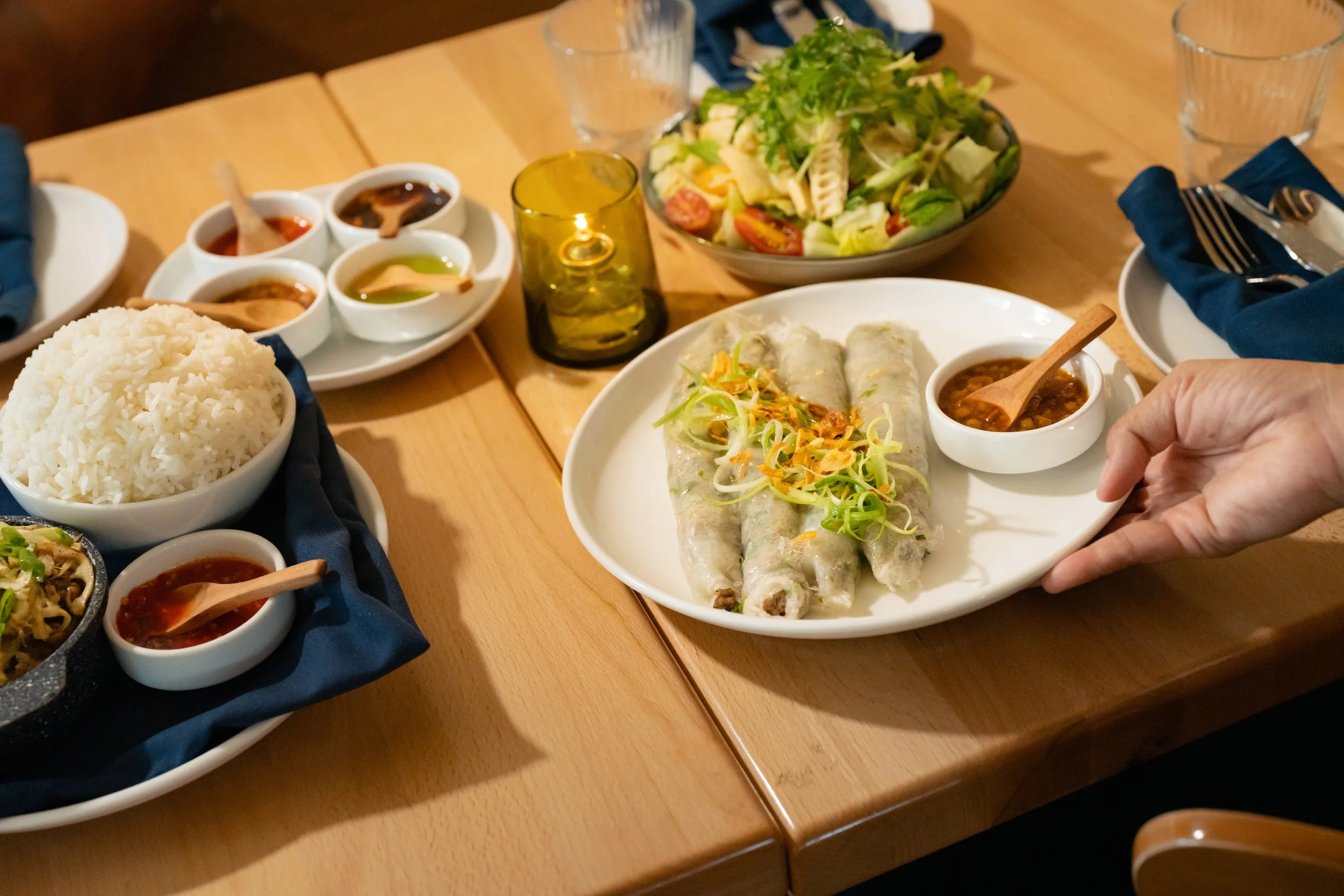
For The New York Times, covering Diane’s Place and Vinai recently wasn’t about making glossy food shots. It was about identity in the details of a kitchen, a gesture, a shared table. My scissors kept me focused on what mattered: food as culture, not as ornament.
For Reuters, covering the Annunciation shooting last month demanded even more rigor. Those images had to hold the weight of the crisis without embellishment, without direction.
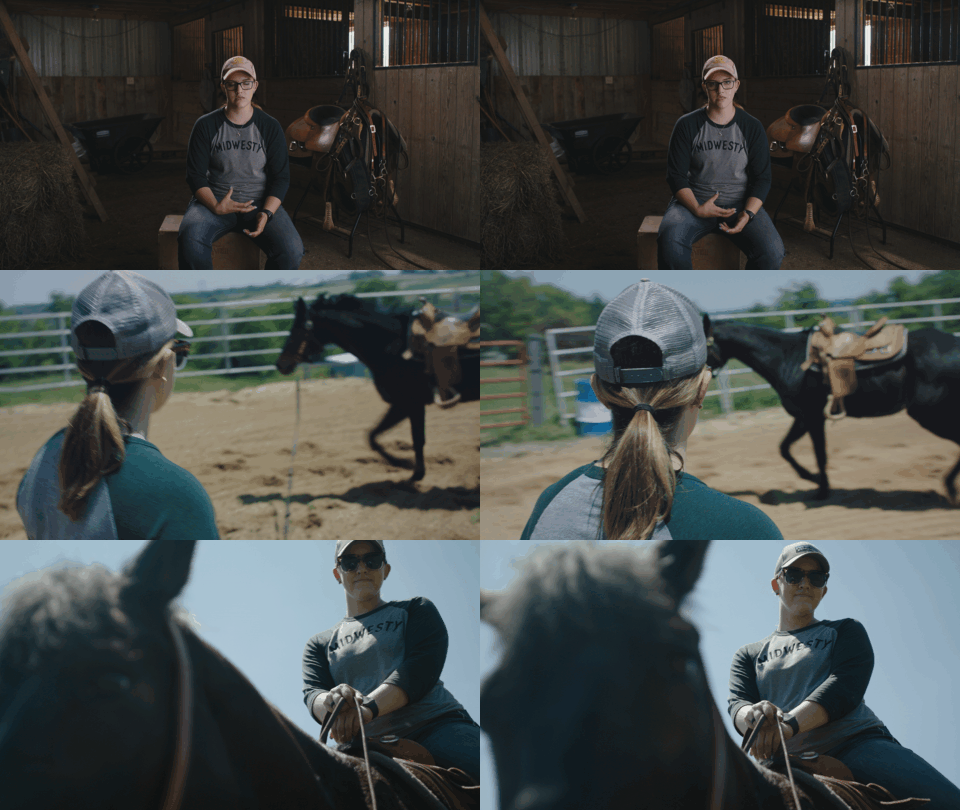
On the nonprofit side, working with Guild Services on a mental health campaign reminded me that sometimes the most powerful story lives the silence after a difficult answer, the hesitation in someone’s voice. You don’t get there with frosting. You get there with access, engagement, and emotion. The discipline to stay out of the story’s way.
Even in the brand world, the same rules apply. In an upcoming credit union campaign (I’ll be sharing soon), the challenge was balancing polish with honesty. Real members needed to be elevated enough to feel cinematic, but not so overly produced that they became stock characters. Too much frosting and the whole piece would have collapsed. Discipline meant knowing where to stop.
Different industries, different stakes, but the same idea:
when you wield scissors well, you earn trust.
Cut, or Be Cut
Visual content doesn’t fail for lack of ideas.
It fails for lack of editing; for chasing polish over purpose until what little story was there to begin with collapses under its own weight.
In a world drowning in creative output, the only stories that survive are the ones shaped by discipline, not decoration.
And that’s the choice every creative team faces now: pick up the scissors, or drown in the frosting.