
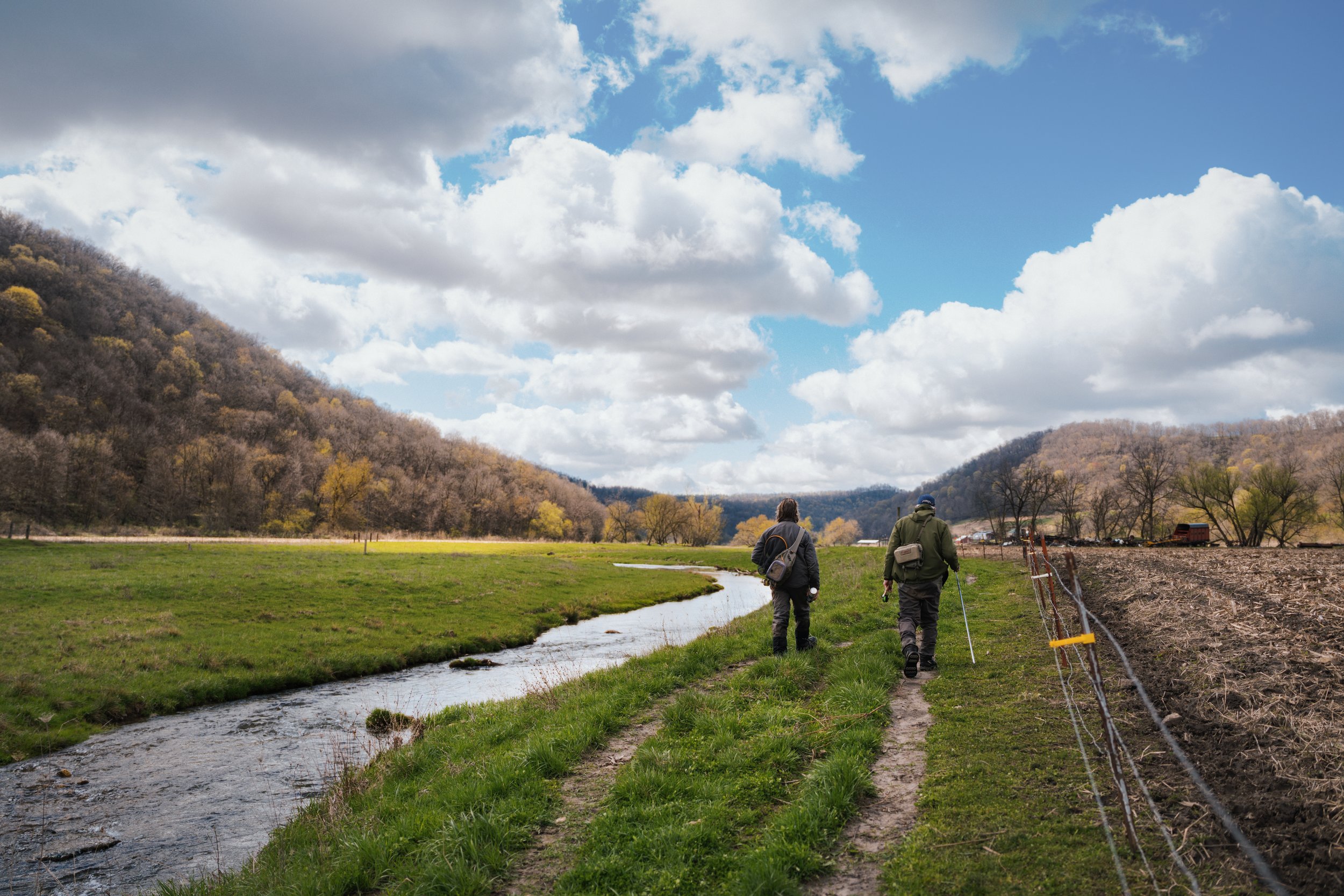
Reciprocal, not Transactional
There's a category of photograph everyone in this industry recognizes. Technically correct, properly lit, the subject is present. It gets signed off on, it runs, and does nothing. Photographer Dr. Zun Lee gave me language for why, and for what actually has to happen before the camera comes up.
Buck the Orthodoxy
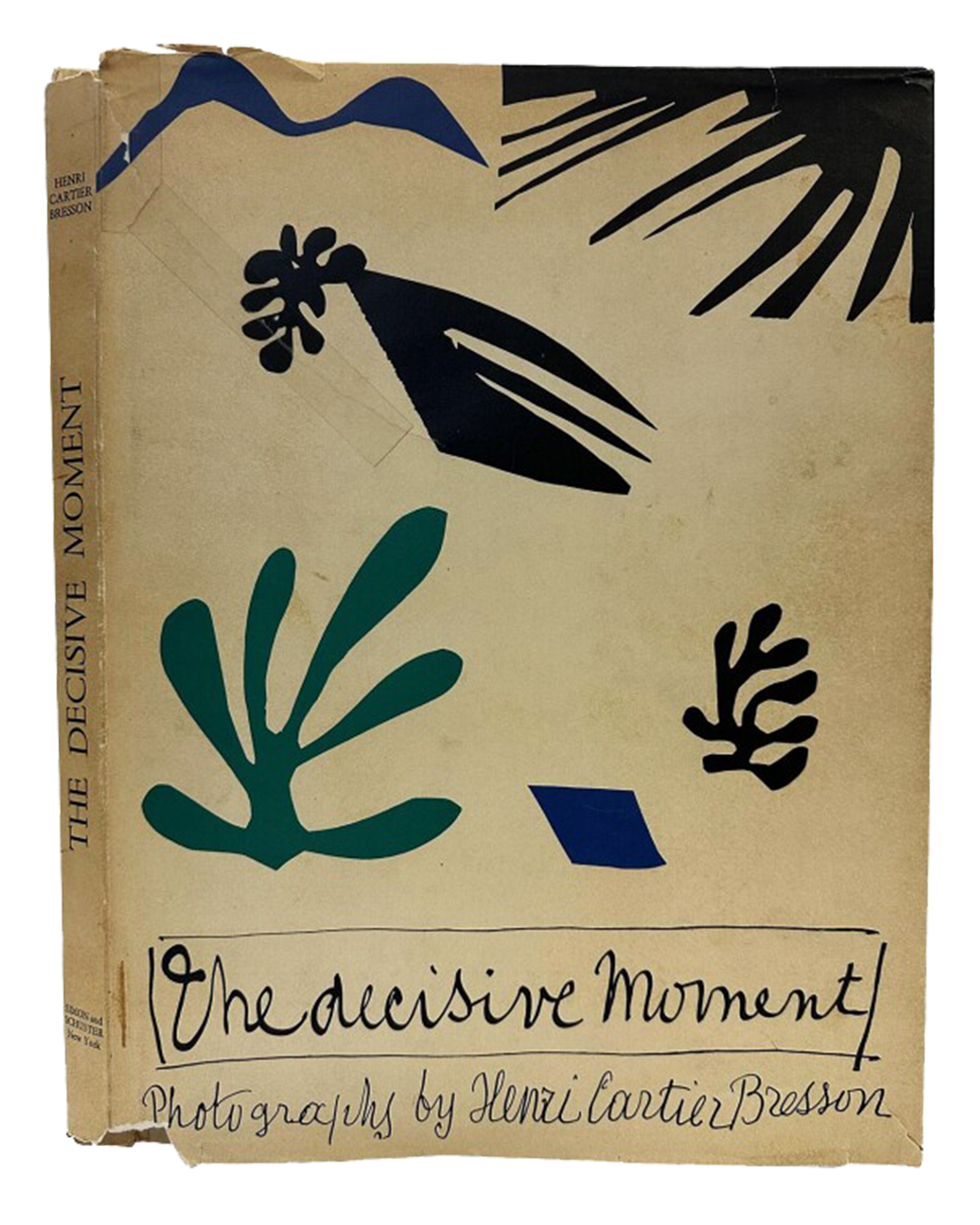
Virtually the entire photography world knows "The Decisive Moment." Most people don't know that Henri Cartier-Bresson didn't actually name it — a publisher did, borrowing a phrase from a 17th-century Cardinal's memoir. That's how orthodoxies work: a truth that worked for someone, somewhere, sometime, and subsequently ossified into a rule nobody remembers making. The question worth asking isn't whether to follow them. It's whether the conditions that made them useful still apply.
The middle isn't coming back. The question is which way we move
The creative market is splitting — and the middle that sustained a generation of working photographers and directors isn't coming back. Here's what I believe the K-shaped economy means for visual storytelling, production quality, and where serious creative work is actually heading.

Burnout Is Not A Badge of Honor
Somewhere along the way, creative industries decided that exhaustion was a sign of seriousness. It isn't. Burnout doesn't just harm the person — it harms the work, quietly and in ways that are hard to measure. Here's what it actually steals, and what longevity in this field really requires.

When Nostalgia Becomes a Crutch
Nostalgia is one of the default modes of contemporary visual culture right now — and for understandable reasons. It compresses meaning, creates emotional resonance, feels safe. That's precisely what makes it dangerous when unexamined. There's a difference between nostalgia as reference and nostalgia as a reason. When the vibe is doing the thinking, the idea stops doing the work.
The Nobel Moment Every Creative Eventually Faces
In 1888, Alfred Nobel read his own obituary by accident. The headline called him a merchant of death. He wasn't offended — he was shaken. That moment of forced clarity pushed him to rewrite the trajectory of his entire legacy. Every creative eventually faces a version of that question: is the story people would tell about you the story you think you're living?
The danger of confusing confidence for competence
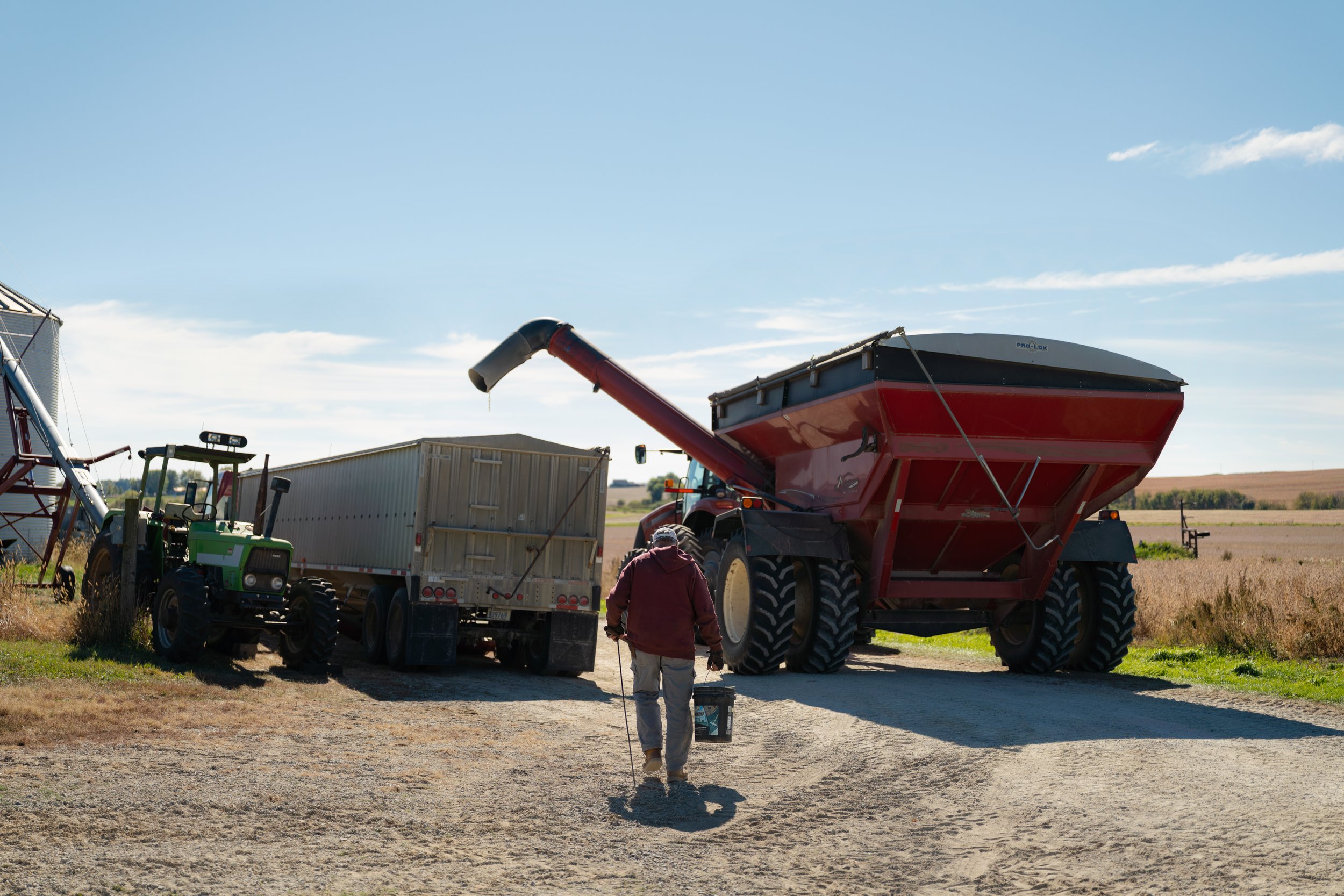
We've entered a cultural moment where confidence gets mistaken for competence — and where the pressure to have all the answers is quietly killing creative work. The best directors, photographers, and leaders I know share one trait: they're fluent in uncertainty. Not because they're unprepared, but because they know the real work begins where the plan meets reality.
The discipline behind authenticity (and why so many miss it)
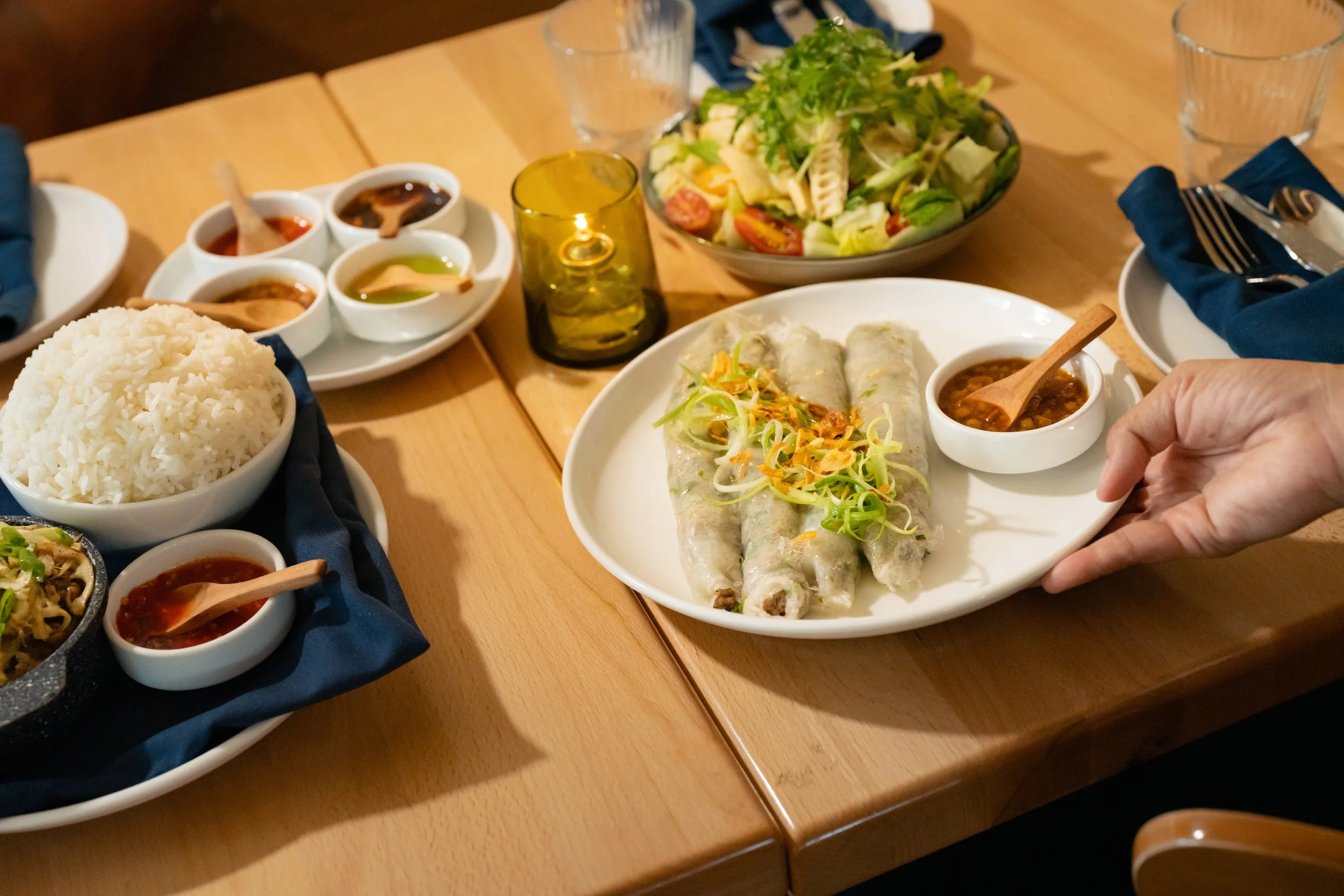
Everywhere you look, brands are selling authenticity the way counterfeiters push product — convincing at first glance, worthless once inspected. The newsroom taught a different lesson: great stories survive by what you refuse to include. One strong image. One real story. The scissors, not the frosting. That discipline is rarer than ever, and more valuable for it.

In Praise of Friction
We live in a world obsessed with smoothness. Friction, in all its forms, gets framed as failure. But the most meaningful creative work doesn't just tolerate friction — it needs it. Constraint, tension, and the willingness to sit with discomfort are where real judgment gets forged. Some images come easy. The best ones usually don't.