The danger of confusing confidence for competence
When did "having all the answers" become the yardstick of intelligence?
We've entered a strange cultural moment where confidence gets mistaken for competence - and where AI is making everyone feel like a genius while turning certainty into mass delusion.
But, every meaningful leap (in science, storytelling, or business) begins with someone willing to say, I don't have the answer... yet. The best leaders, directors, and photographers I know share one trait in common: they're fluent in uncertainty.
Most people hate the void – that uneasy stretch between a kickoff and delivery when the big questions are still unanswered. So they plan it away with systems and frameworks meant to make uncertainty feel manageable. Structure matters (I live by shot lists, decks, and production milestones), but the moment they meet reality, the real work begins.
That's the part I've come to love most: standing in that messy middle, camera in hand, knowing the right idea or frame is still taking shape.
Because if you're doing this work honestly, you're always standing at the edge of what you know.
Myth of the All-Knowing Creative
Somewhere along the way, we turned creative leadership into performance art; the DP who recites shot lists like scripture or the producer who answers every question instantly (if incorrectly).
But behind every project that actually moves people, there's someone willing to stay uncertain long enough to find something better. Spielberg called filmmaking "a series of calculated guesses." Annie Leibovitz admits her best portraits happen only after she stops trying to control them. Even NASA, literal rocket scientists, start with something called a Preliminary Design Review (emphasis on preliminary). Mastery isn't about knowing everything; it's about staying open long enough to see what others miss.
The Academic Upbringing: Why Curiosity Was the Default
I grew up as the son of two academics, which meant "I don't know" was never the end of a thought - it was the invitation to start one. In our house, answers were provisional until proven. Curiosity was part of the homework. I didn't always realize it back then, but that was training for how I'd eventually work behind the camera.
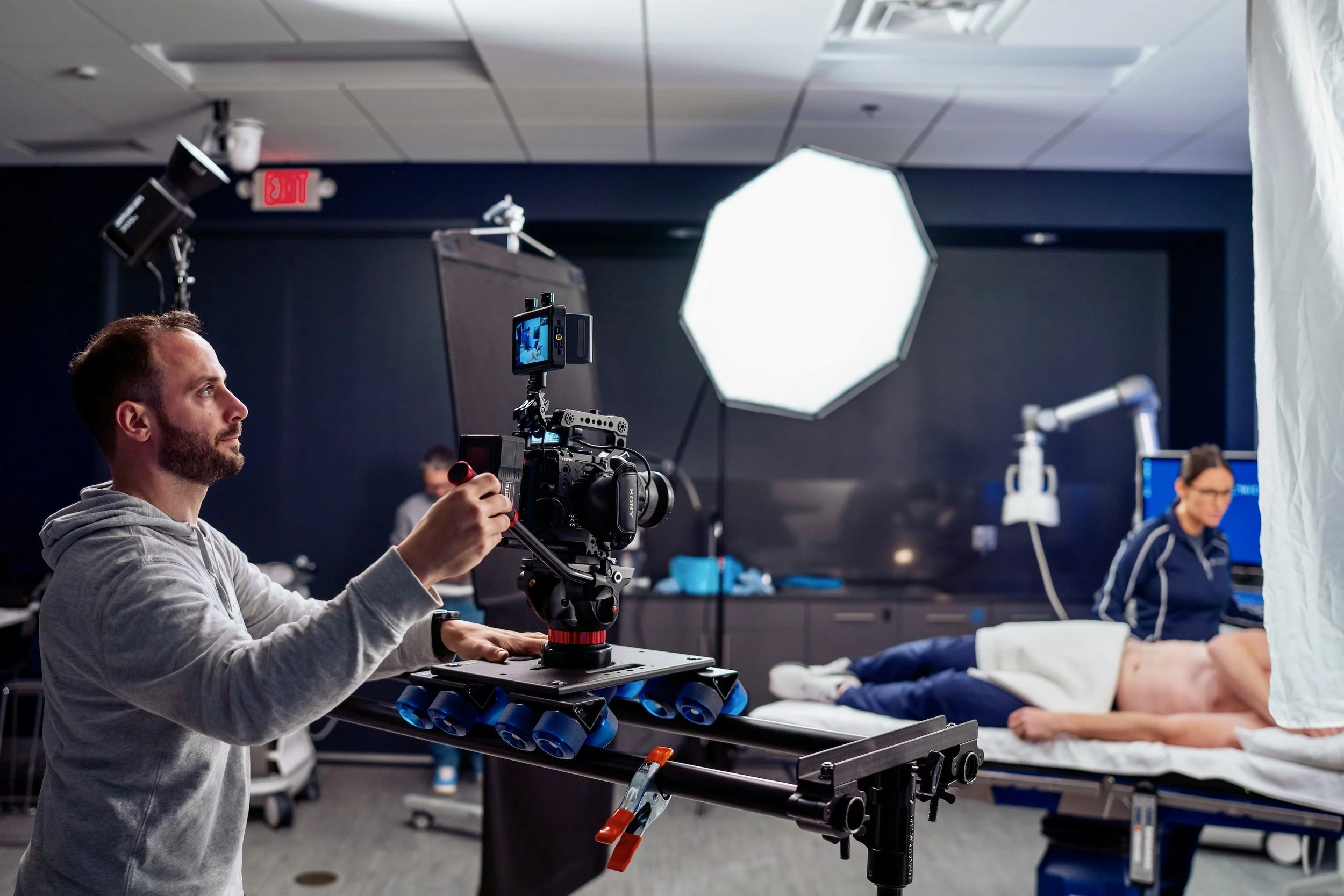
In production, curiosity and rigor are the same thing. The goal isn't to have every answer in advance - it's to create the conditions where better answers can emerge. My process still runs on the same rhythm I grew up with: observe, question, refine. Whether it's adjusting light in a studio setup or figuring out how to build trust in an interview, every production begins with the same research instinct: what’s real, what’s assumed, what’s next.
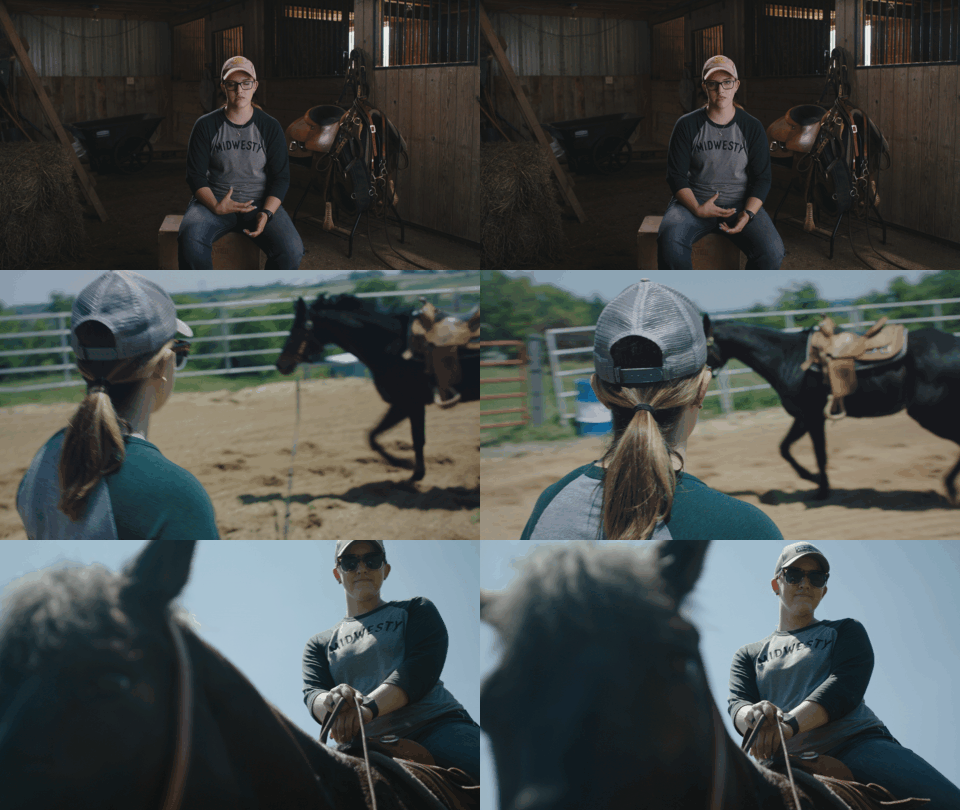
What It Looks Like in Practice
On any production, there are really two versions of "I don't know."
There’s the unprepared ‘I don’t know,’ and the powerful one: ‘I don’t know… yet, but let’s find out.’ The best creatives live in the second as they’ve traded the performance of certainty for the pursuit of understanding.
Because even the best-planned productions are living organisms. Light shifts. People surprise you. A location that felt perfect last week suddenly feels a bit meh. That's where I don't know yet becomes a signal: to the crew, that collaboration is welcome; to the client, that you're assessing with care and reframing uncertainty as data rather than danger.
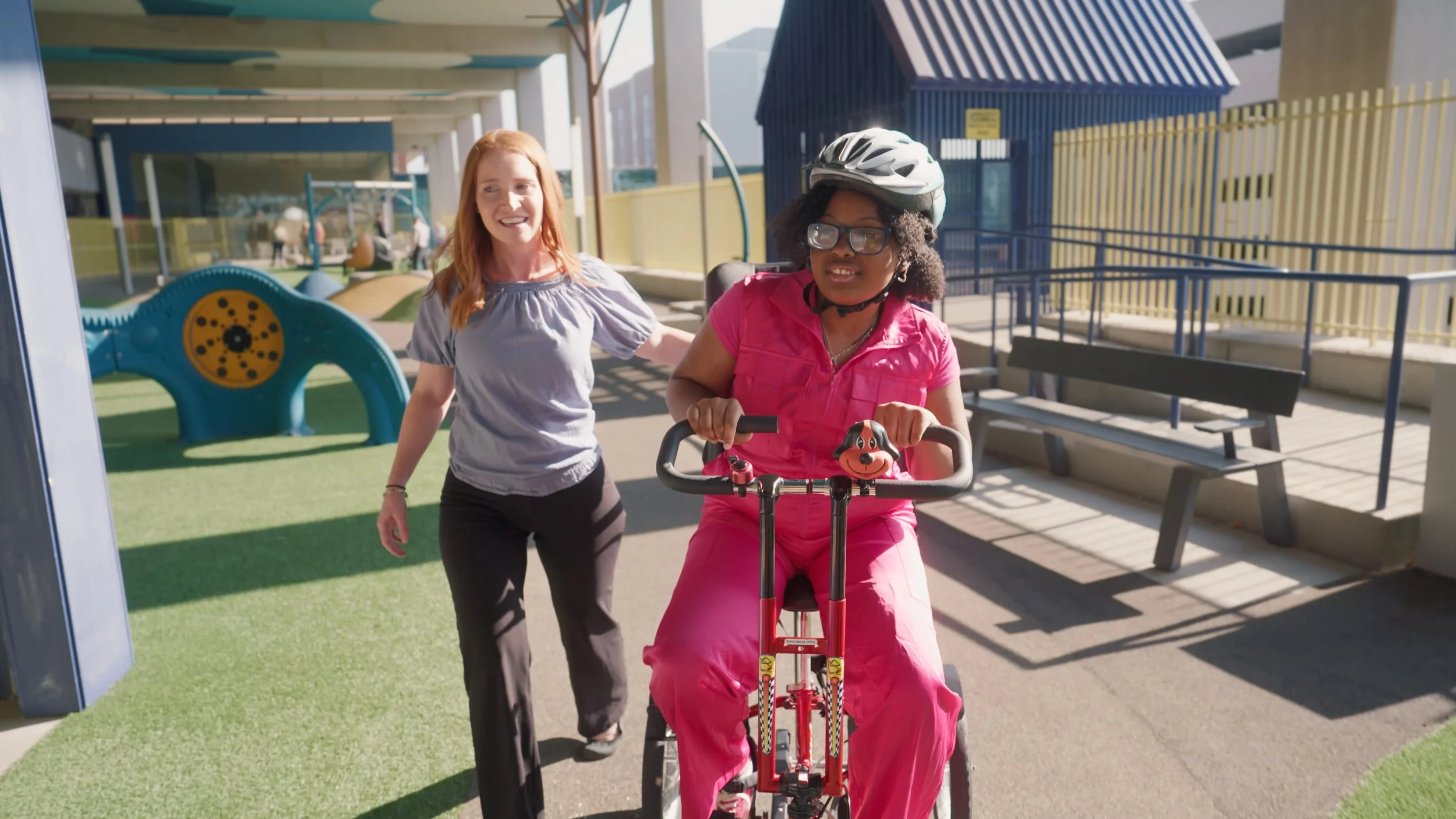
Why This Matters
Experts aren’t faster because they know more; they’re faster because they learn in loops (much like the famed OODA Loop from military strategist John Boyd). My version looks something like this:
Observe. What's actually happening - not what was planned, not what's assumed, but what's real.
Hypothesize. Identify one variable worth testing.
Iterate. Make the change quickly, deliberately, and small enough to learn from.
Integrate. When something works, make it repeatable.
It's the same loop SpaceX uses to refine rockets, chefs use to build dishes, and cinematographers use to shape light. It’s curiosity with a feedback system.
On set, that might mean testing how window light shifts as clouds roll through, noticing when an interview subject needs another few minutes to relax, or rethinking a brand concept that looks perfect on paper but feels sterile in the room. Each adjustment becomes data.
Saying "I don't know… yet" isn’t simply improvising – it means engaging with the problem like a scientist. When you approach creative work that way, the process stays alive, and the work does too.
"The most exciting phrase to hear in science, the one that heralds new discoveries, is not 'Eureka!' but, 'That's funny...'"
– Isaac Asimov
In an era where AI promises certainty, precision, and automation, our advantage is curiosity.
Tools optimize; people interpret.
We gather fragments of light, of story, of human expression, and turn them into something cohesive. I believe every great image, every strong sequence, is a product of both mastery and exploration.
That balance between what I know and what I'm still learning is what keeps me energized after a decade-plus of creating. It's why I'll touch up on research before a healthcare project or spend hours testing how a particular light wraps around a face in my apartment before portrait campaigns. That’s why the work never gets stale.
Clients and brands don't hire creatives to be perfect; they hire us to navigate complexity with grace. To stay calm when the variables change. To ask sharper questions. To learn in real time. To know what we don't know and pursue it deliberately with the experience, the tools, and the curiosity to find the right answer.
When I say ‘I don’t know… yet,’ it’s not hesitation, but a faith that learning will land us somewhere better.
And if we've worked together, you've probably seen it in real time: me standing behind the monitor, tilting my head, thinking for a beat - then making the call.
Because the yet is what deeply matters.