When Nostalgia Becomes a Crutch
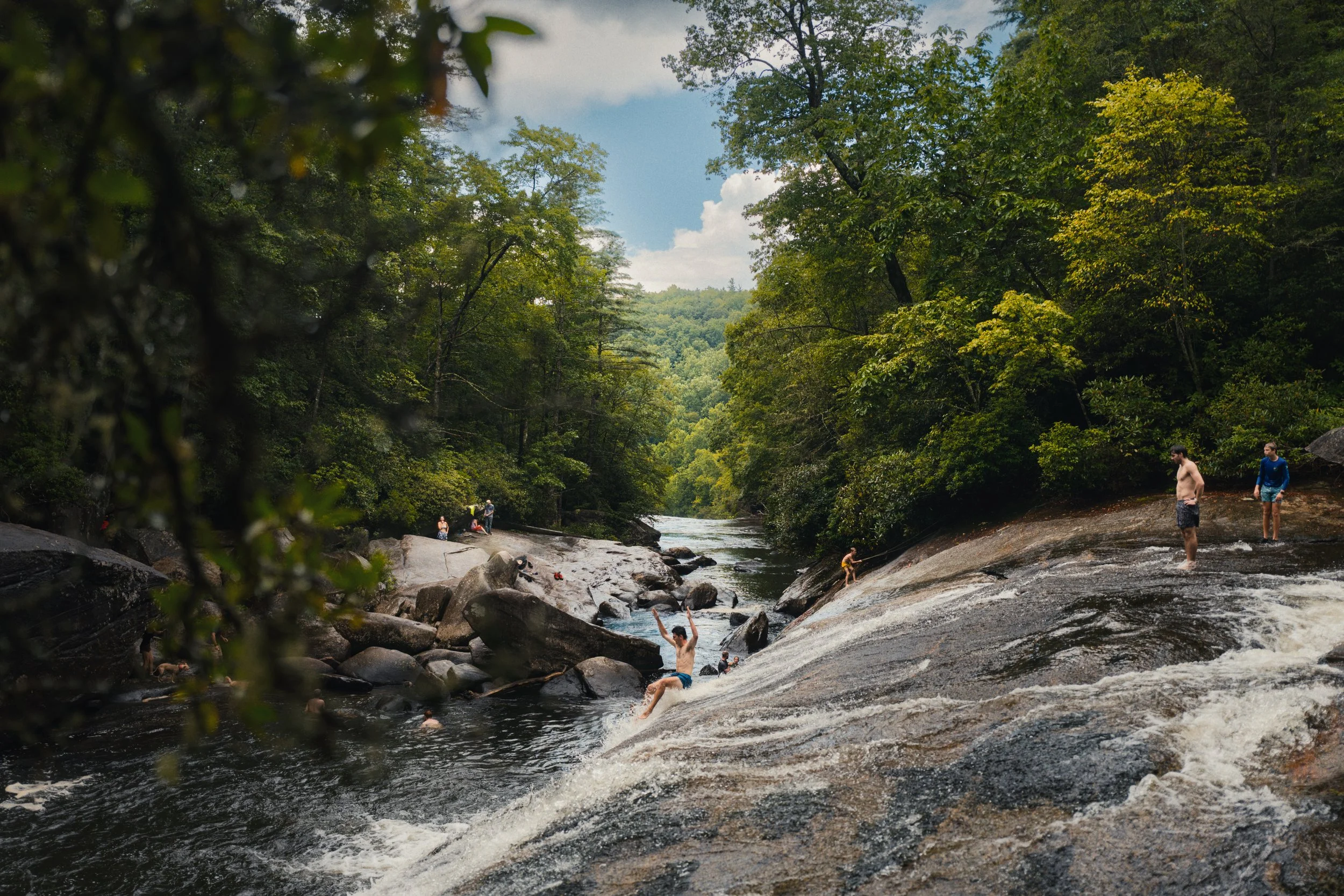
At what point does nostalgia stop being a reference and start becoming a crutch?
That question isn't rhetorical anymore.
Because right now, nostalgia is one of the default modes of contemporary visual culture. 4:3 aspect ratios are back. Analog toning, hard on-camera flash, post-produced motion blur… You get the idea. Retro visual cues are (for better or worse) starting to do some heavy creative lifting across a wide range of fields.
I'm far from immune to this. Nostalgia works because it compresses meaning. It creates emotional resonance without requiring much explanation. It feels approachable, timeless, trustworthy.
That's precisely why nostalgia becomes risky when unexamined. The core issue is what I call "risk laundering": using aesthetic nostalgia to shield creative ideas from scrutiny. With content absorbed by retro cues, the underlying idea is rendered less vulnerable, making imitation stand in for creative intentionality.
We're not reaching for the past because it was better. We're reaching for it because the present feels unstable, and the future feels harder to picture.

Why nostalgia has surged (and why that matters)
The current nostalgia boom didn't come out of nowhere. It's a rational response to a stack of overlapping pressures that shape our creative environments.
[I unpack the broader cultural forces driving this, from AI to institutional risk aversion, in a longer version of this piece on Medium: The Nostalgia Trap]
And sometimes, to be fair, a familiar aesthetic is the right move.
Nostalgia can be the most emotionally honest language for a project about memory, legacy, family, place, or time. However, the trap lies in when nostalgia becomes the default move for projects that are actually about the present, because the present is harder to depict without taking a stance.
When nostalgia is a default, it takes over critical decision-making, and creative choices become reflexive. Mood supersedes meaning; the work starts to feel recycled. We, as creatives, risk churning out work that's polished, competent, and ultimately interchangeable.

Where nostalgia goes wrong in practice
These patterns keep showing up through times of creative/economic uncertainty in predictable ways.
1. Aesthetic-First Thinking
The look gets locked before the story is fully understood. References start to dictate the tone rather than respond to the subject, character, or context. What looks like risk is usually just familiarity in disguise. The work feels safe because the visuals already are.
2. Pinterest Pileup
A mood board fills with beautiful frames, mostly old and iconic, and the references get sharper as the concept grows fuzzier. Everyone agrees the look is strong. At a certain point, any semblance of a core idea gets stuck in the traffic jam of images, making it hard to articulate what the work is truly about. No one can quite articulate why it matters.
3. Authenticity Cosplay
The work borrows the visual language of documentary (handheld movement, available light, lens imperfections) without engaging the ethics that make documentary credible in the first place: time, trust, context, and lived specificity. It looks human, but it hasn’t done the human work. For visually literate audiences, that gap shows up quickly.
None of this is about banning grain or filmic color grades. It's about intent versus imitation. Neither is it a moral failure; it's a system incentive. If you're making work for smart consumers (and most of you reading this newsletter are), this stuff reads faster than you think.
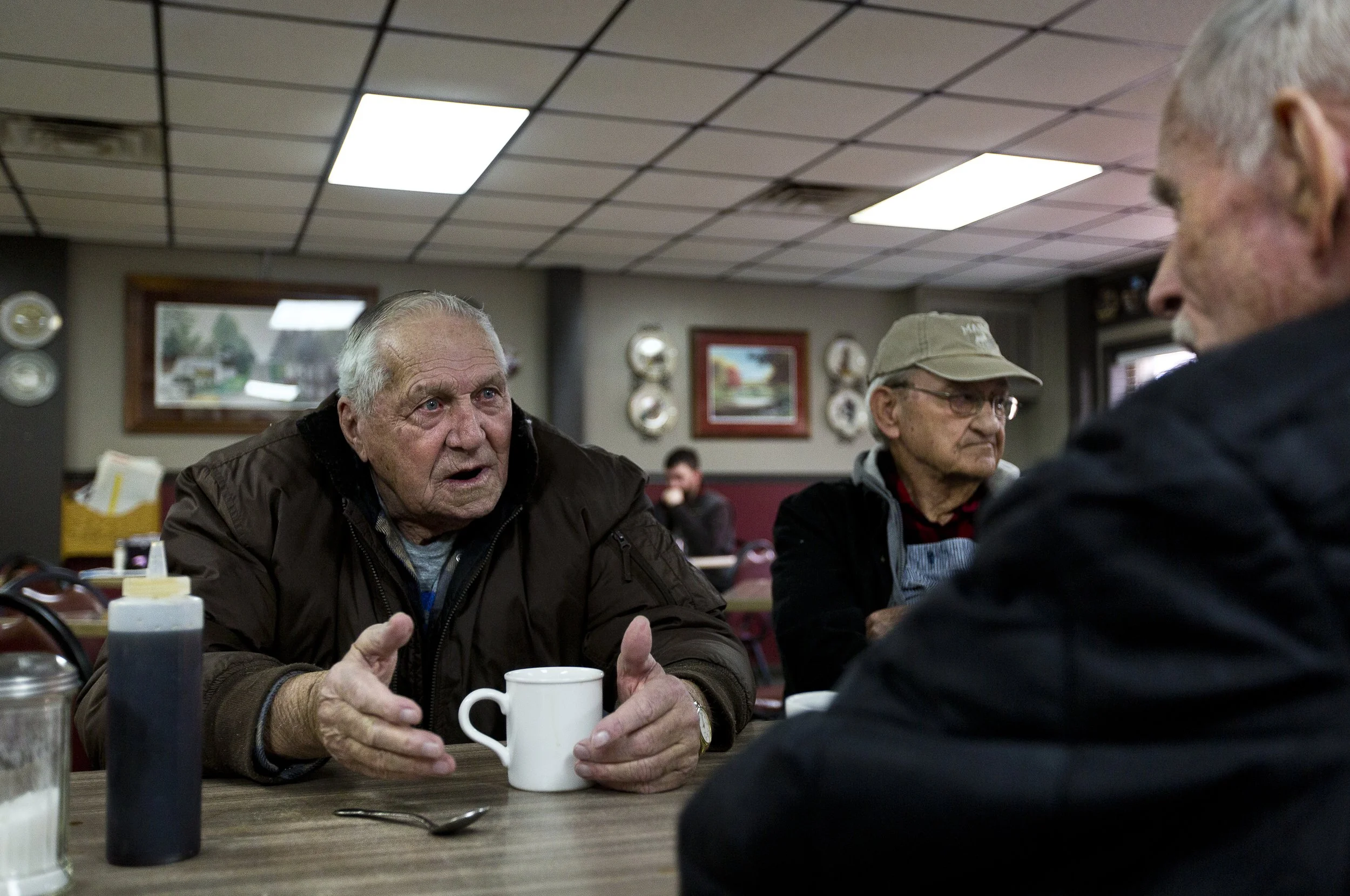
Where I’ve confronted this in my own work
This isn’t a theoretical concern for me, as my work has shifted between editorial, documentary, and brand environments.
Early on, working primarily in photojournalism spaces, nostalgia was rarely the point. If it showed up at all, it was incidental. Reality has a way of imposing its own constraints. The visuals follow the subject and circumstances. You’re responding to what’s in front of you, not trying to impose a feeling from somewhere else. When credibility matters, like in a feature story or corporate profile, I shy away from treatments that could make real people seem like they're from another era. If the point is that they're here, now, the visuals should reflect that.
That said, I’m not opposed to borrowing from older (even pre-modern) visual languages when there’s a reason for it. I just try to be honest about why it’s happening. When nostalgia earns its place in a project, it’s usually doing one of three things.
Sometimes it’s about time — memory, legacy, repetition, loss.
Sometimes it’s about place — a visual texture that’s genuinely tied to a cultural or regional context.
And sometimes it’s psychological — a way of aligning the visual language with how a subject actually experiences the world.
When that’s the case, I treat nostalgia as texture rather than structure. It can inform details like tone, palette, and production design cues, but it doesn’t get to replace the idea.
The pattern I’ve noticed over time is pretty simple. Nostalgia works best when it’s answering something. When it’s avoiding something, it tends to bleed through into the final results.
Reference versus Reason
When I feel myself reaching for nostalgia (grain, palette, lensing, wardrobe, production design, typography), I try to slow things down and ask one simple question:
Is this a reference, or is it a reason?
A reference is easy: “This looks like something we like.”
A reason is harder: “This choice is doing something specific for the story, the moment, or what’s at stake.”
If I can’t explain that reason in a single, plain sentence, that’s usually a warning sign.
Take a timely example like ‘Stranger Things’, a series that leans heavily into ’80s texture, music, and production design. Strip all that away in your head. What’s left still works, because the characters, stakes, and emotional storytelling are solid on their own. The nostalgia amplifies the story, but it isn’t the story.
If the concept collapses without the vibe, the vibe is doing too much.
What comes after nostalgia
I don’t think the answer here is “be original.” That phrase gets tossed around a lot, and it doesn’t actually tell anyone what to do. It’s vague, and honestly, it’s a little exhausting.
What feels more useful is something else entirely.
For me, it usually comes down to a few simple priorities: being specific rather than agreeable, paying closer attention to what’s happening in the present rather than importing emotion from elsewhere, and letting the story dictate the visual decisions.
Some of the work that’s stuck with me most recently isn’t especially eye-popping or showy. It also tends to trust the audience. There’s an assumption that people can sit with complexity without being spoon-fed a feeling.
And yes, sometimes those pieces still look backward. But when they do, it feels deliberate. The past shows up as an accent, not the glue holding everything together.

A Final Thought
The past is a rich place to draw on, and I’d be a fool not to be a creative student of it.
However, when it starts making decisions, that’s usually a sign we’ve stopped asking hard enough questions.
Suppose we want to make images and films that matter to audiences, to clients, to ourselves… we have to stay engaged with the discomfort of the present and do the challenging work ourselves, making choices based on observation, not on inheritance.
The goal isn't to recreate what once felt resonant.
It's to make something that will.