
Changing the Oil at 55mph
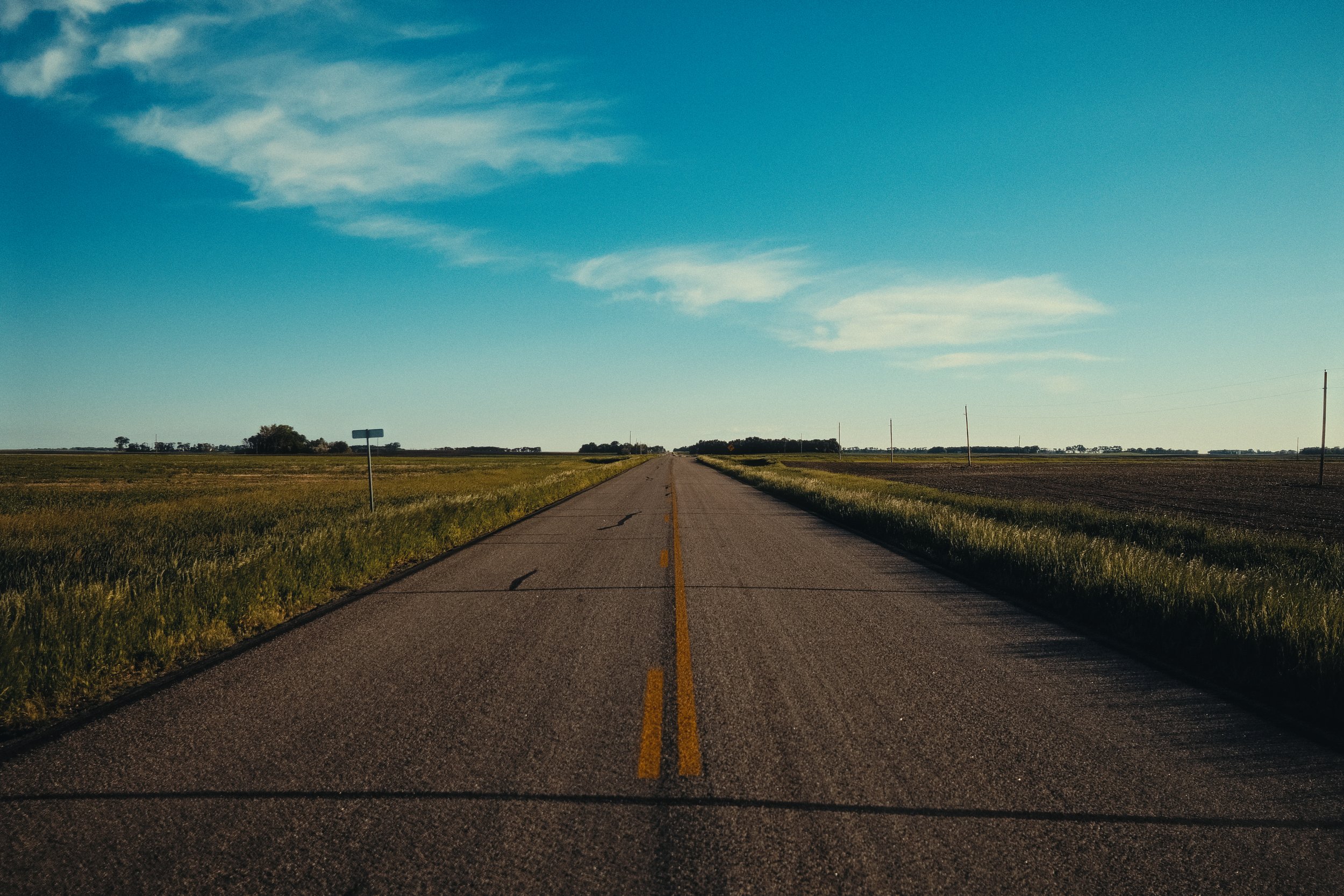
The best dish on the menu gets pulled while people are still driving over to order it.
Light the Space, Not the Face
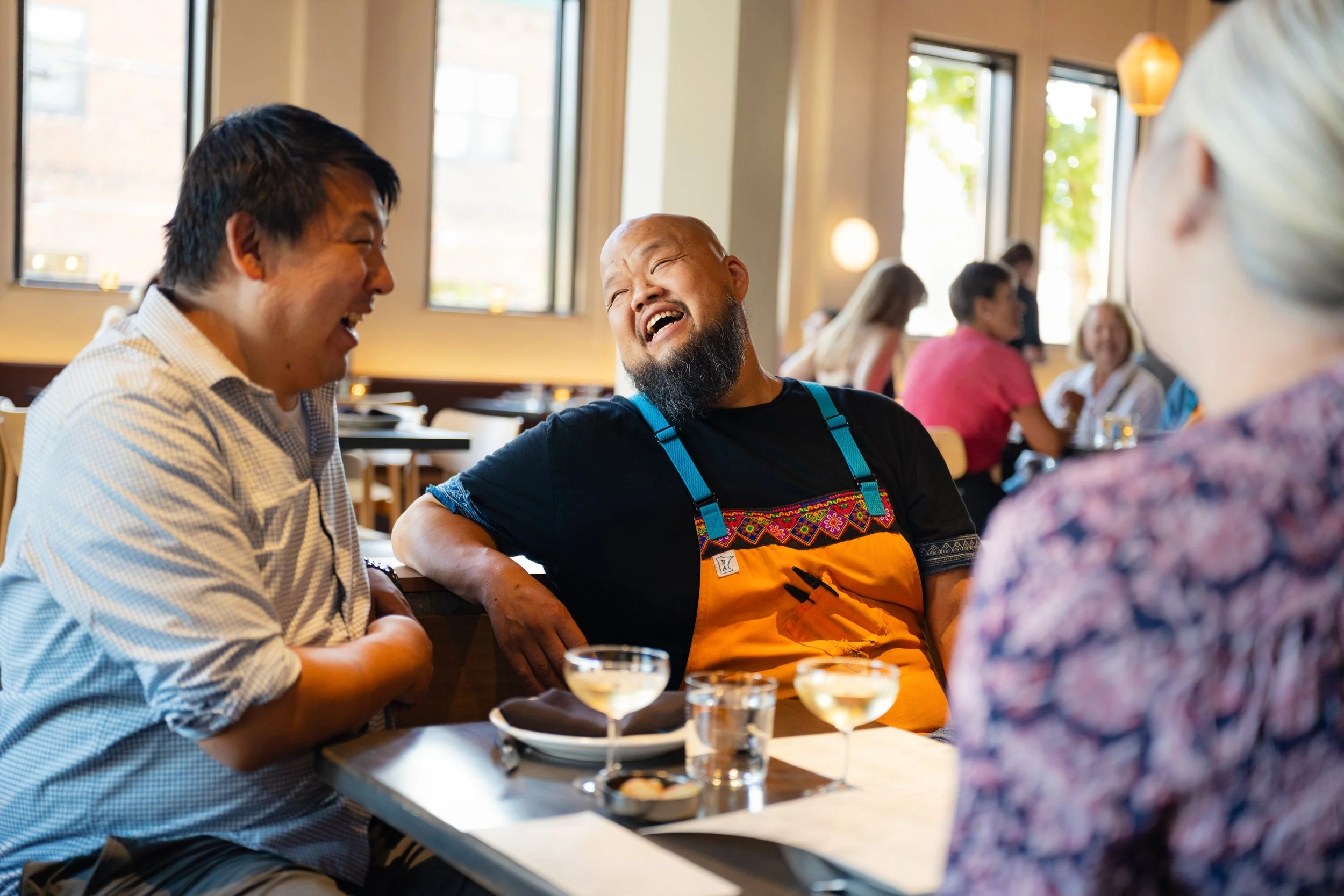
Most photographers solve for the subject. This is about designing the room instead — and why that principle applies at every scale, from how you light a location to how you run a shoot to how you've built your creative practice.
Buck the Orthodoxy
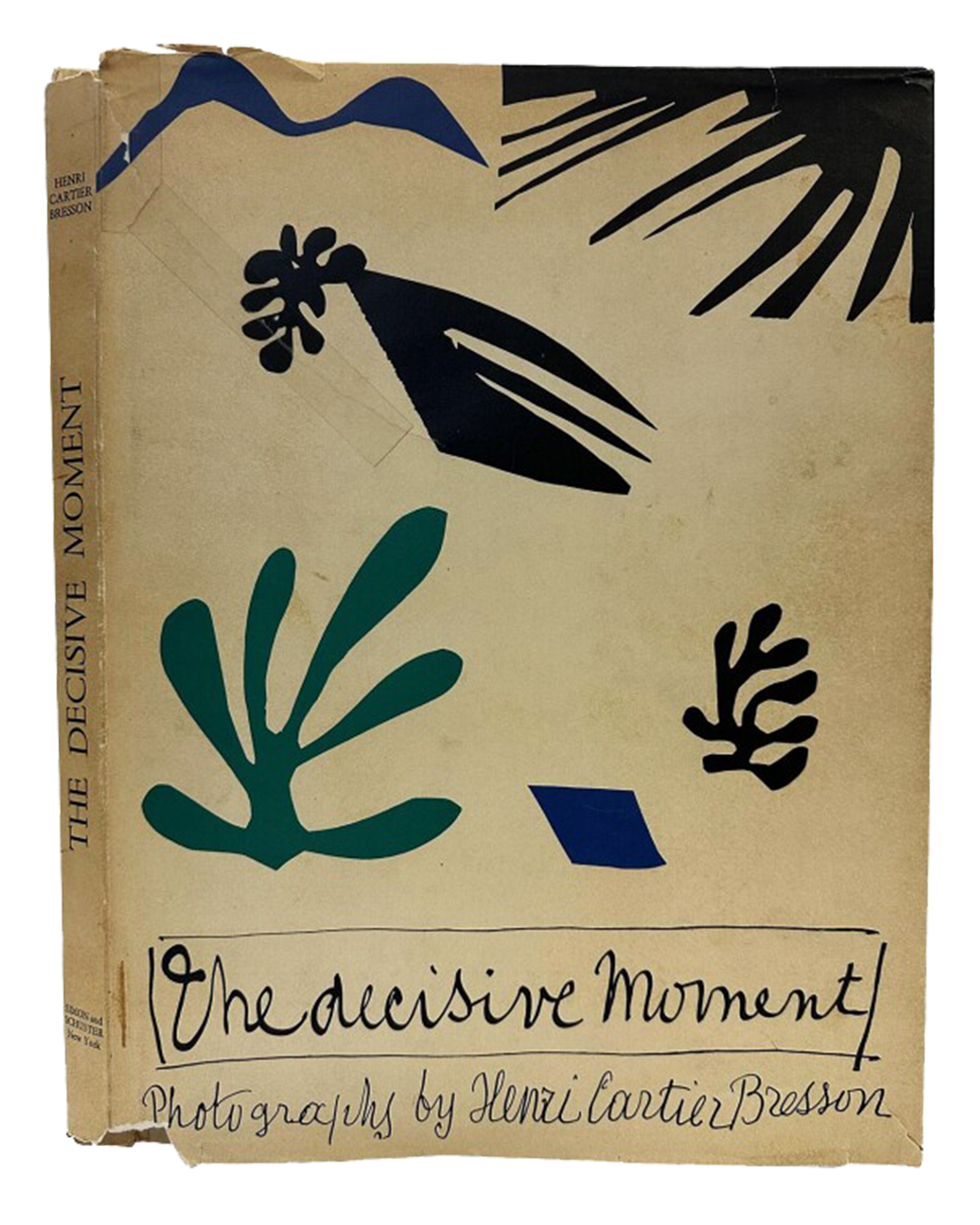
Virtually the entire photography world knows "The Decisive Moment." Most people don't know that Henri Cartier-Bresson didn't actually name it — a publisher did, borrowing a phrase from a 17th-century Cardinal's memoir. That's how orthodoxies work: a truth that worked for someone, somewhere, sometime, and subsequently ossified into a rule nobody remembers making. The question worth asking isn't whether to follow them. It's whether the conditions that made them useful still apply.

Burnout Is Not A Badge of Honor
Somewhere along the way, creative industries decided that exhaustion was a sign of seriousness. It isn't. Burnout doesn't just harm the person — it harms the work, quietly and in ways that are hard to measure. Here's what it actually steals, and what longevity in this field really requires.

When Nostalgia Becomes a Crutch
Nostalgia is one of the default modes of contemporary visual culture right now — and for understandable reasons. It compresses meaning, creates emotional resonance, feels safe. That's precisely what makes it dangerous when unexamined. There's a difference between nostalgia as reference and nostalgia as a reason. When the vibe is doing the thinking, the idea stops doing the work.
The Nobel Moment Every Creative Eventually Faces
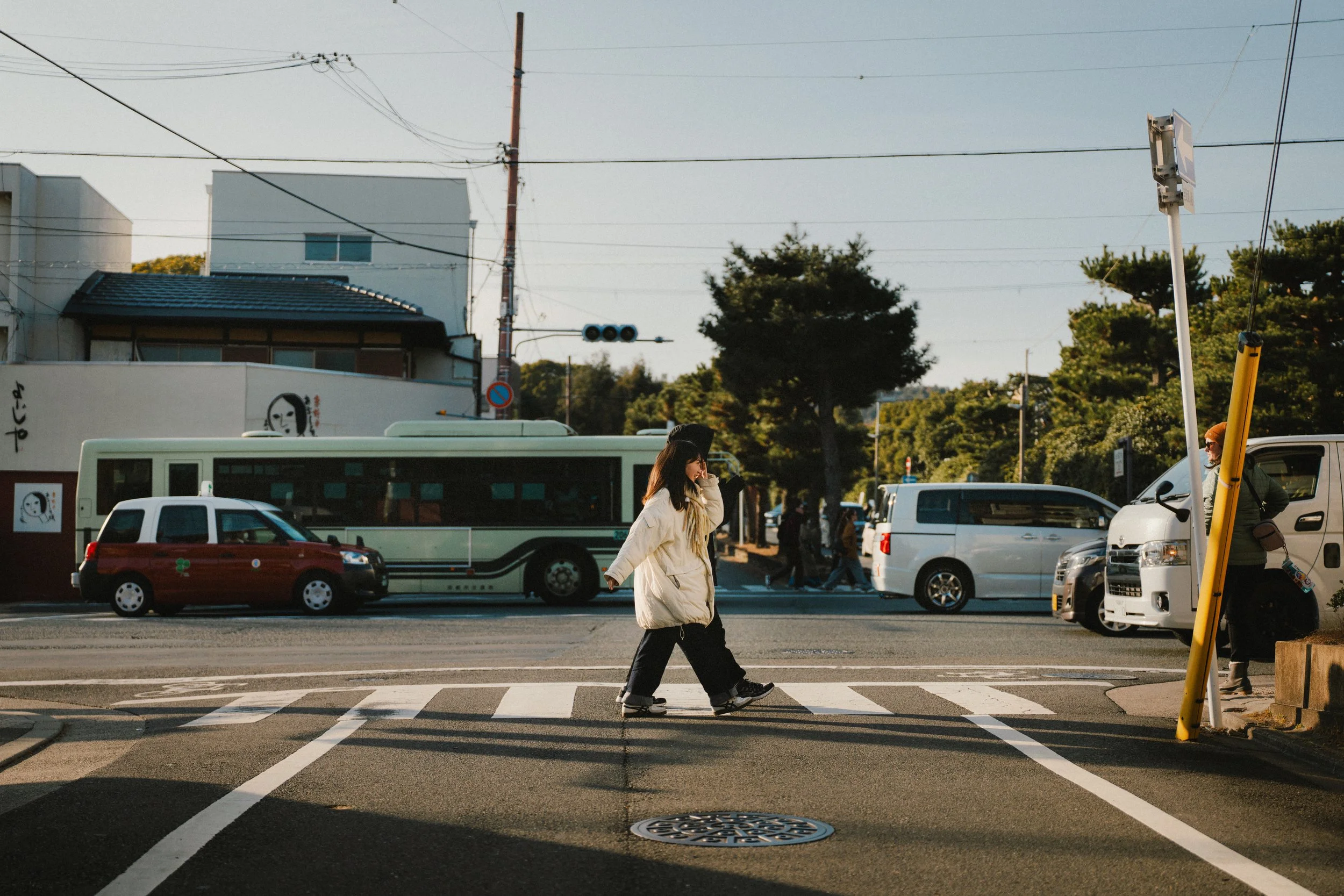
In 1888, Alfred Nobel read his own obituary by accident. The headline called him a merchant of death. He wasn't offended — he was shaken. That moment of forced clarity pushed him to rewrite the trajectory of his entire legacy. Every creative eventually faces a version of that question: is the story people would tell about you the story you think you're living?

Lost in Translation: Why Words Matter in Creative Work
Creatives and clients use the same words to mean entirely different things. "Coverage" means one thing in the edit bay and something else entirely to the marketing director trying to justify the shoot to her boss. The gap between those two definitions is where projects go sideways — and where the best creative relationships are actually built.
In Praise of Friction
We live in a world obsessed with smoothness. Friction, in all its forms, gets framed as failure. But the most meaningful creative work doesn't just tolerate friction — it needs it. Constraint, tension, and the willingness to sit with discomfort are where real judgment gets forged. Some images come easy. The best ones usually don't.

Quit trying to be smart. Just be less stupid
There's an allure to the idea that great creative work comes from outsmarting the problem — from having the eye, the instinct, the moment of genius. But some of the most important wins in production don't come from brilliance. They come from not making avoidable mistakes. Charlie Munger called it being "consistently not stupid." Behind a camera, it looks a lot like boring preparation that protects the brilliant work from getting compromised.