The Floor Under the Leap
How much of our best work as creatives likely belongs to someone whose name has never appeared on a single call sheet?
In just ten days, I'll be marrying my fiancée, Emily, at Nicollet Island, with about 170 of our closest people present; a good number have been able to watch my career up close and personal. So they understand deeply what it takes to build a business as a creative, especially during the years when it seemed like calculated strategy and the years when it seemed like something completely different.
I can think back to nights with Pelican cases blown open across our living room floor, prepping batteries and loading up my VW full of gear into the wee hours of the morning, and the continual “I just need to back all of this up before we can have dinner.” Emily has been alongside me through it all, totally unbothered by the occasional chaos. I can't picture a version of my life without her, and in just a handful of days, I won’t have to. On top of that, I genuinely don’t believe I could create work anywhere near the same quality or output without her in my corner, day in and day out.
I could keep going, but you didn't subscribe for that here on this newsletter.
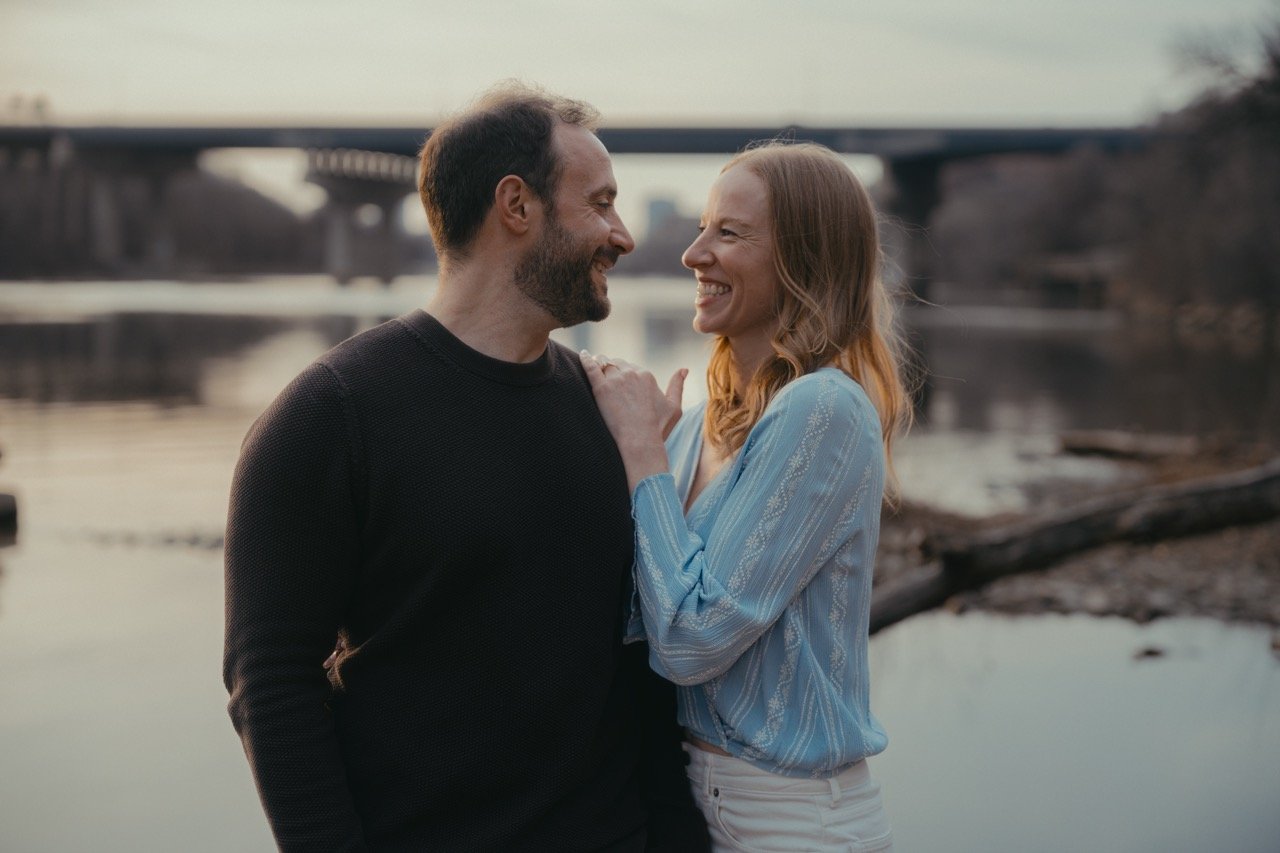
While I’m no expert yet, marriage puts into sharp relief the central role collaboration, communication, and shared values can play in the health of a relationship.
Our work on set is no different. The projects I'm proudest of track almost perfectly with the crews I trusted and show little correlation with the number of zeros attached to the budget.
Five roles have shown me why, and what follows is what separates the people who are competent at it from the people who help catalyze transformative work.
THE BUDGET AS CREATIVE
The producer lays the floor, and I'm the one who gets to take the leap from there.
A producer decides how many hours I get in the room while the light is still good. That call happens in a spreadsheet, weeks before anyone loads a case, and it shapes the images so much more than any lens I own.
What they're really building is how much of the day I get to spend thinking about pictures. Everything else is downstream of that.
The good ones start by asking what the work is for. Where it lives, who has to approve it, what the client is nervous about. They want all of that before they'll talk about a number, because a number is an answer and they don't have the question yet. I've been on calls where a producer spent half an hour not discussing money, and by the end of it I knew the job was going to be fine.
Then they build a day with the right level of buffer in it with a deep understanding of when the best visuals get made. Like putting forty-five extra minutes on the back end of a full day and hand it back to us right when the light gets good.
I've also been handed a call sheet of six strangers booked solely on price, then asked why the production moved so slowly and the vibe was off. Ugh.
What I've come to care about most is both the what and the when of their communication. A great producer tells me we're behind at ten in the morning, while being behind is still a fixable scheduling problem. A weaker one tells me at four, when it's become my problem. The producers who go quiet when something is going sideways are the ones who don’t give me the confidence to make my best work.
In front of a client, the whole job is keeping a creative decision from becoming a money conversation. Take it outside, solve it, come back with an answer. The bad version reopens the estimate in front of the art director while the talent sits under the lights waiting for the adults to finish.
They run interference both directions too. Crew protected from a client who wants one more setup at hour ten. Client protected from a crew that aren’t hitting the mark regarding style or professionalism.
The last thing is how they treat the people who aren't in the room when the decisions get made. Producers who push to get their crew paid quickly, remember names, and keep lines of communication open with every level of the production are the ones I clear a calendar for. They’re the ones I want establishing the foundation for my next client project.
The best lighting notes
The real medium a gaffer works in is time. Light is the obvious tool, but what’s crucial is how the gaffer shapes, saves, or spends the limited hours available on set. Their work is measured as much by the minutes they create or preserve for the rest of the team as by the quality of the illumination itself.
Anyone with enough lighting fixtures can build a decent picture… eventually. The gaffer tells me what fits inside the production window we actually have, and tells it to me straight while I can still change my mind. Watch a good one during the setup you're already shooting. They're either rigging the next one or planning out how it’ll come together. Stands staged where they'll be needed, modifiers built and waiting, a cable run before anyone asks. That habit is the element that lets us produce the most material in a fixed amount of production time.
Most lighting techs reach for another light. But the ones I keep on speed dial know when and how to use subtraction to build the best images. When entering an operational hospital or clinic for a shoot, we often find mixed color temperatures, eight-foot drop ceilings, a corridor we’re not permitted to block, and working healthcare professionals waiting for us to get out of the way. A gaffer who works with the light that's already in the building keeps the frame looking like the place instead of like a set somebody built inside the place.
I remember shooting a trail runner up in Duluth with maybe forty minutes before the sun dropped behind a ridge. I wanted a light up on the slope behind, catching the dust he was kicking up. Which sounds great… in theory.
My gaffer noted the sun, the hill, and just the two of us plus the assistant we had. “Half an hour to get it up there and working, we’ll be ready right about the time there’s nothing left to shoot.” He suggested we turn him around, shoot him coming back the other way with the sun doing exactly what I wanted the light to do, and put a simple bounce in the grass to open the face up. 90% of the same look for the shot done in minutes.
The other version of that afternoon with a “yes-man” gaffer ends with a beautifully lit hillside and nobody on it.
WHERE CLIENTS REALLY BUY
In a room where I am behind a camera, I often have to rely on the digital tech to speak for me. The position that is most often overlooked on stills productions and the one that clients understand the least when reviewing our bids.
A creative director's entire judgment regarding how the day is going is likely based at my digi tech’s tether station. They don’t get a chance to see through my viewfinder. They see a version of the frame that somebody else prepared on the way to the screen, exposure sorted, the color pushed toward wherever the retouching is going to land.
When we get it wrong, production just doesn’t feel as confident. An uncorrected capture (or worse yet, just reviewing selects on the back of a camera monitor) is creatively useless in a review moment.
When an art director starts making suggestions that are really doubts, talent might hear that kind of reservation and stiffen up. But really, nobody on our set is thinking about the fact that they're all reacting to an unfinished file, and the shoot slows down for no particularly good reason.
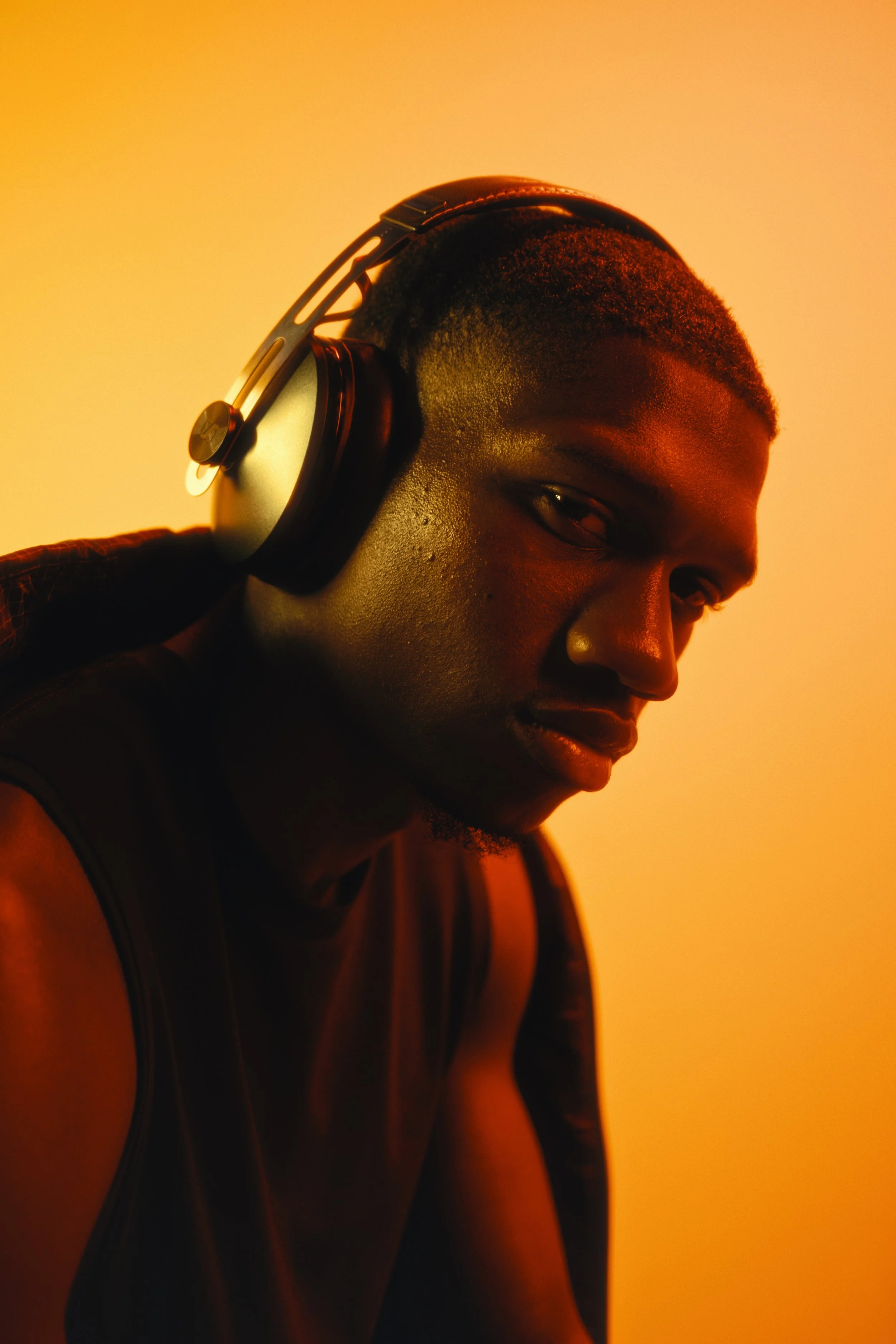
Underneath that sits the unglamorous half of the job, which is making sure the thing we shot still exists tomorrow. Files get sorted where they're supposed to, named the way the client prefers, copied twice, and checked before anyone unplugs. All the stuff our clients paid for leaves the location in a bag.
The final aspect that makes digi techs so valuable is an emotional one, in the sense that it is operational. Nervous clients become confident ones within a few minutes when someone gives them a clean, already narrowed-down selection and moves quickly; by contrast, a nervous client working with a slow technician has to scroll through nine hundred frames for reassurance and ends up finding new problems instead.
Building the why alongside the how
The director determines the reason, while the DP focuses on the method. Each of us has to concentrate on our own role and not take on both duties. (I direct and I shoot, which means I've been the problem in this section)
The directors who have been the most effective to work with often give me less than I'd like. They state clearly in a single statement the emotional aim of the sequence we’re capturing and then leave the frame alone. All I need is to know the reason behind it. I can work out how it should be done faster than they can explain it, and every minute spent over-describing a shot is a minute that could have been spent on the room.
In brand testimonial or documentary-style work, a director's true skill lies in the interview. A lot of folks can put together a competent set of interview questions, but the best develop their skills in the unplanned follow-ups. It's in being willing to sit in four seconds of silence after someone finishes a sentence, since the second part of the answer is found on the other side of that silence. It's about knowing when a subject has already provided you with what you need and when it's time to stop asking. Way too often, I see less skilled directors try to talk a subject out of a moment they've already reached.
Another thing that a good director does is absorb the client. If a client is actually in the room, the account executive's questions go to them, and my attention stays on the frame. Wearing both hats splits that attention, and I can clearly feel the effect on the work. I've certainly been that director who over-specified because he couldn't stop being the DP. Giving away the ‘how’ and keeping the ‘why’ buys the same relief as a partner who sets a north star you can both align to.
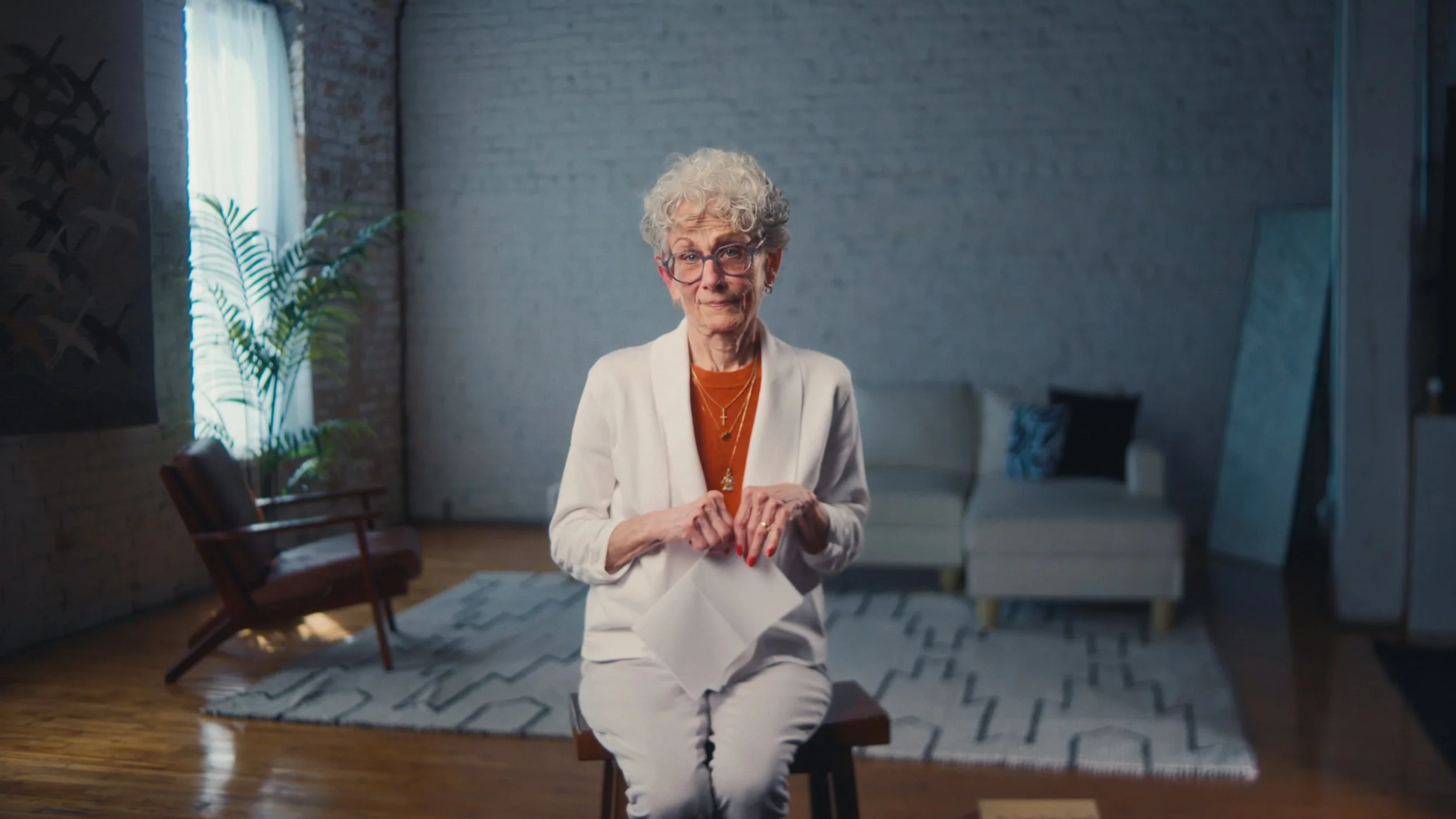
THE MOST VALUED POSITION
I'd rather build someone than book someone. The lowest line item on the sheet, and the one I'm most careful about.
On a lean crew, a PA is the only person who moves the most freely across responsibilities. Everyone else is committed to a set task at any given moment. The PA is the person you point at a problem that didn't exist forty seconds ago, which is why the job description gets written by the day.
I believe what separates a good PA from a great one is a matter of judgment.
Knowing which problems to handle themselves and which to escalate immediately. Parking options got taken; they handle it. The facility contact changed which rooms we can use for our setup; tell me now. The most annoying failure I see is a PA who sat on something for twenty minutes because they didn't want to bother me, and by the time it surfaced, the easy fix wasn’t an option anymore.
On location, the PA holds the relationship with the building. Security, the front desk, facilities, the employees who decide whether we're welcome on the floor. Often times, a client on set spends more minutes talking to the PA than to me, because I'm focused behind the lens and the PA is the one who noticed the talent was getting a little dehydrated and grabbed a bottle of water. The mood a client remembers about a day can get set by that person just as much as by anything I do with a camera.
The thing that brings the most joy is seeing people I hired as PAs years ago are now producers, photographers, and DPs with their own clients. A few of them have hired me. When creatives treat the bottom of the call sheet as interchangeable labor, we build ourselves a ceiling you won't see for years, right up until the afternoon you need a favor from somebody with a real budget.
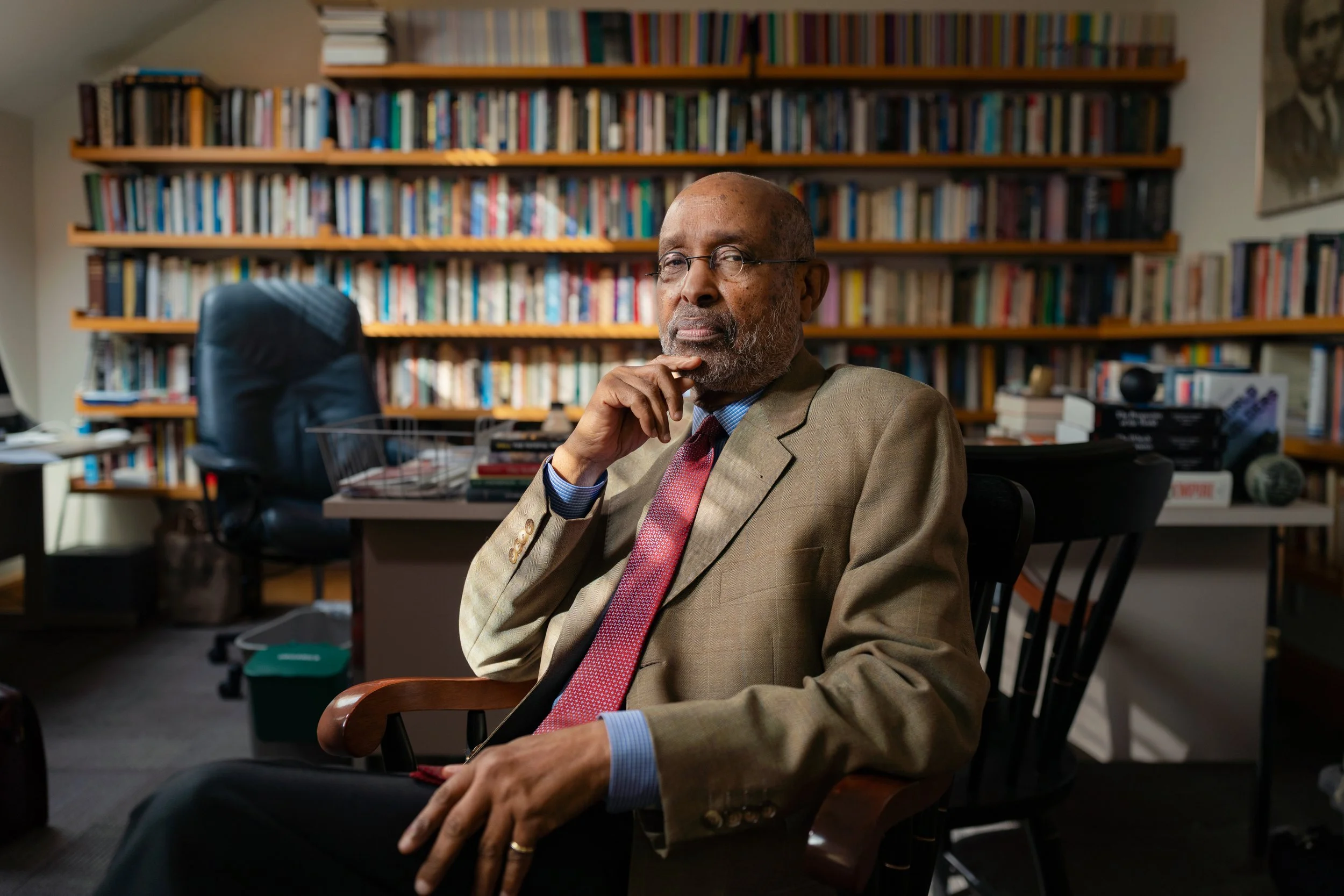
On September 25th, for once in a blue moon, I'm the subject.
Someone else holds the cameras, someone else runs the timeline, and a coordinator I've barely met decides when, where, and how I walk.
Surrounding myself with the most important folks in the most important roles (Emily, most of all), I feel confident these will be the images on my hard drives I’ll value most for decades to come.