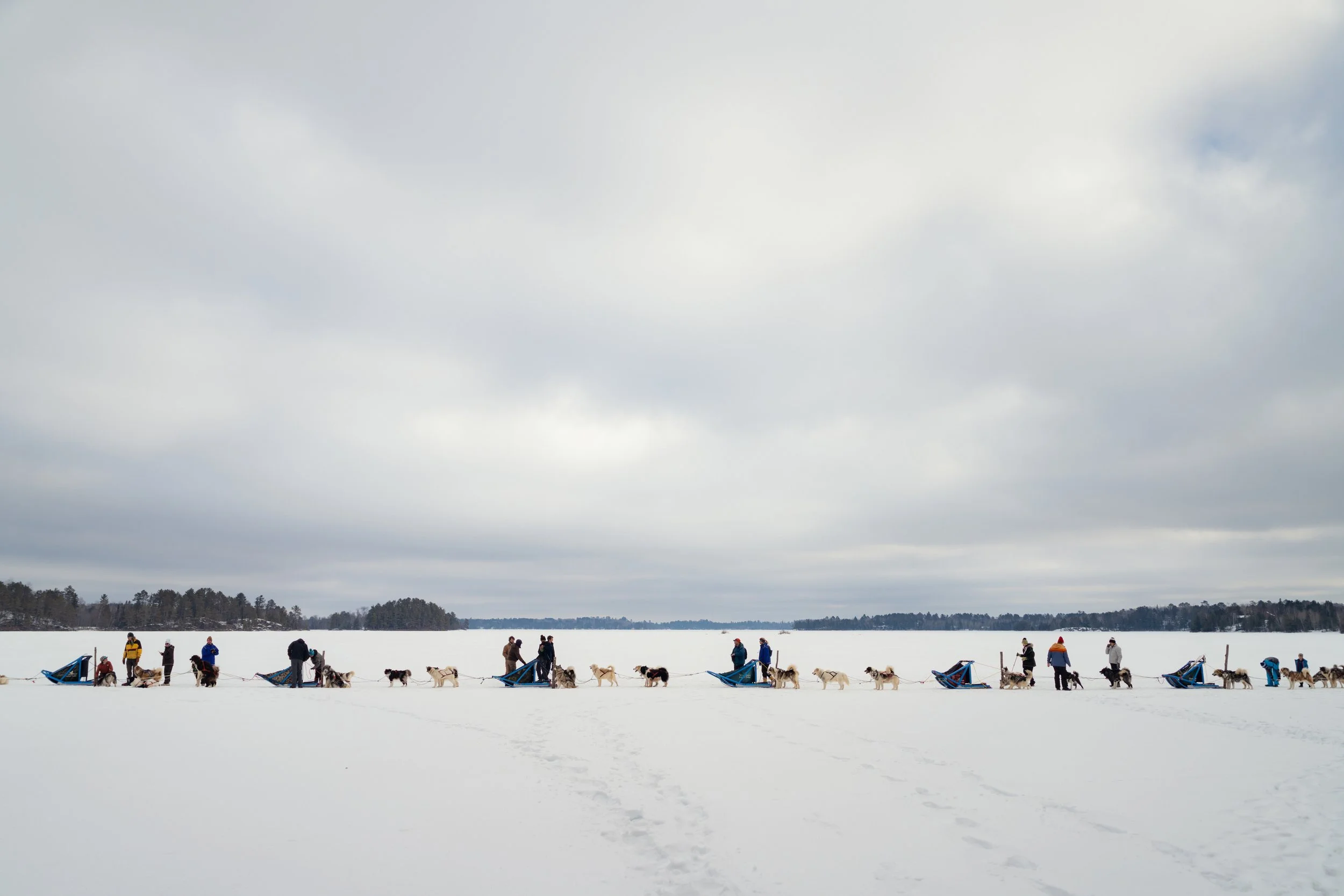
Could someone looking at your portfolio date your work to the month?
I think we can all do it fairly effectively with other people’s work and the creative zeitgeist as a whole (it’s a less impressive party trick than it sounds). A washed-out, grainy matte grade or a slow drone push-in over treetops will tell me when something was shot more reliably than the metadata will. Every visual trend leaves a timestamp, and it tends to land hardest on the pile of work that followed the original.
There’s an old line, author unknown, written as a reply to everyone who ever quoted the “early bird” at you: the early bird gets the worm, but the second mouse gets the cheese.
It’s a surprisingly accurate description of how hype cycles work. The first mouse has plenty of appetite but a poor view of the trap.
Most of us already live this way when we’re spending our own money. A new restaurant gets our precious Friday date night only after a handful of strangers have eaten there and shared their reviews, and a redesigned SUV can sit on the lot through its first model year while somebody else’s mechanic finds out what’s wrong with it. Nobody calls that cowardice. In creative work, though, the same patience tends to get filed under falling behind, and I’ve come to think that’s backward. Second can be one of the most underrated places to create from in this business.
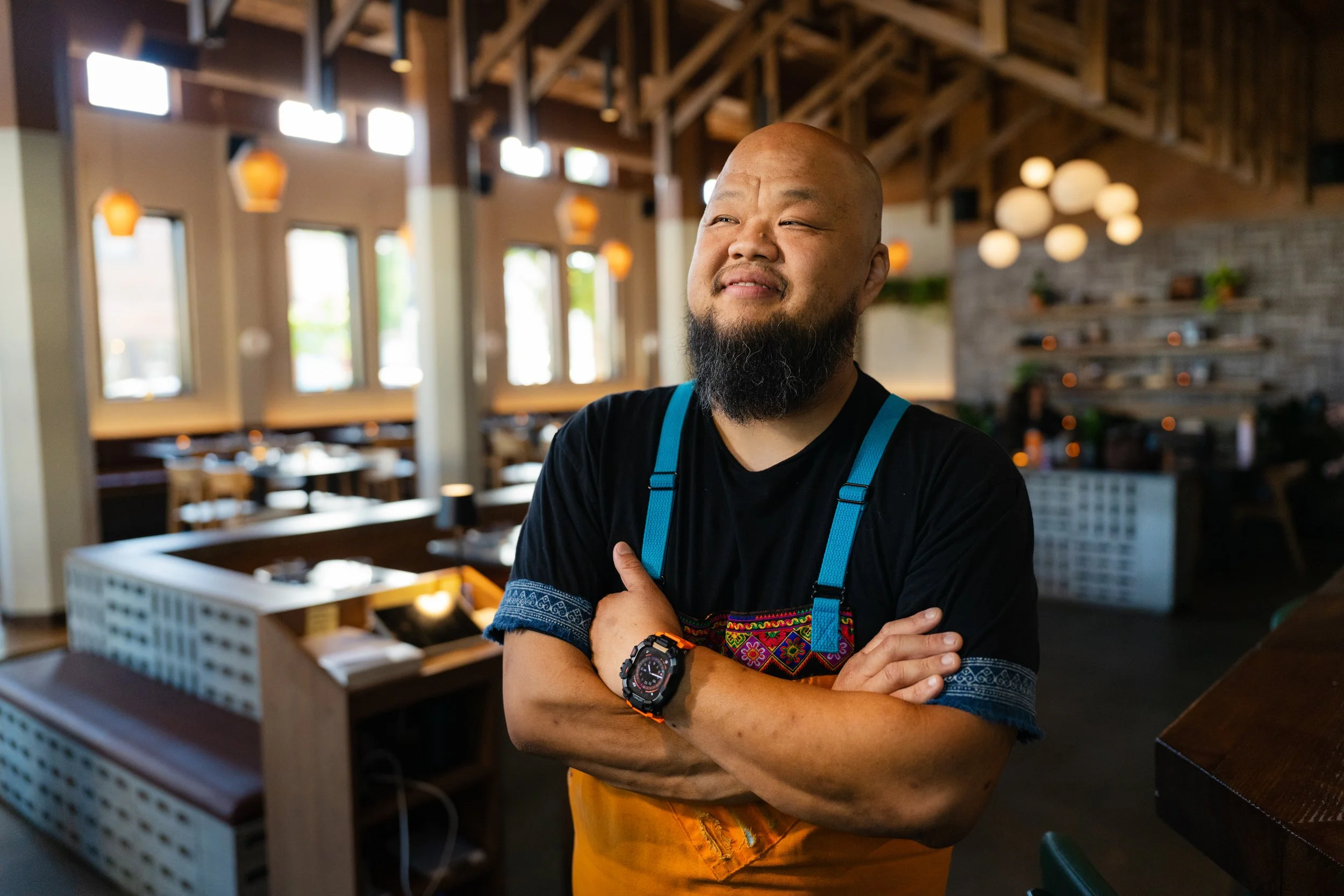
Copies date themselves faster
In this version of the saying, the innovator is whoever made the cheese. Somebody takes a tool everyone has been using one way and finds a use nobody saw coming, and for a little while the whole industry gets more interesting. I fricking love that moment, when I get to sit back and go, “Oh god, that’s brilliant.” I’d like to think most of us are trying to make something that original at least once in a while, and the industry is better for the people who manage it.
Then the rush arrives. Within a few months, the look has its own preset and starts showing up in creative briefs by name, and it inexorably gets separated from the reason it worked. The first version tends to be held in reverence for years. The copies date because they borrow the sheen of the innovator’s work and leave the structure and the reason behind.
Whether the people inspired by innovators mean to or not, they’re doing the rest of the industry a favor. Every time an innovative idea gets replicated, it becomes a small experiment with a report card on what works and what doesn’t. The second mouse is the one reading it.
When full-frame DSLRs started shooting video around 2008, it felt like someone had left the side door to the cinema world unlocked, and kids like me snuck in. A camera that fit in a backpack could suddenly do something that used to take a rental house and a massive budget: hold one face in sharp focus and let the world behind it dissolve. The people who used it well early on were making real, deliberate creative decisions with it, steering our eyes exactly where the story needed them to go.
Then the flood came, and for years nearly everything was shot wide freaking open. One eyelash sharp, the rest of the frame falling away into nothingness, despite what a pain it often was to actually shoot video on DSLRs and early mirrorless bodies. What the copies missed was that depth of field decides how much of the world the viewer needs to pay attention to. Coming from photojournalism, I’d spent years treating the background as much a subject as the people in front of it: the kitchen behind the cook, the crowd behind the speaker. Blur that away, and you’ve made something smoothed out and pretty that tells you very little. The work from that era that still holds up went shallow when it meant something and stopped down when the place mattered.
I’d add one regulation, if anyone ever put me in charge. Timeshare buyers in most states get a few days to change their minds, on the sensible theory that anything sold with that much enthusiasm deserves a second look. New presets, LUTs, and plugins should come with the same courtesy.
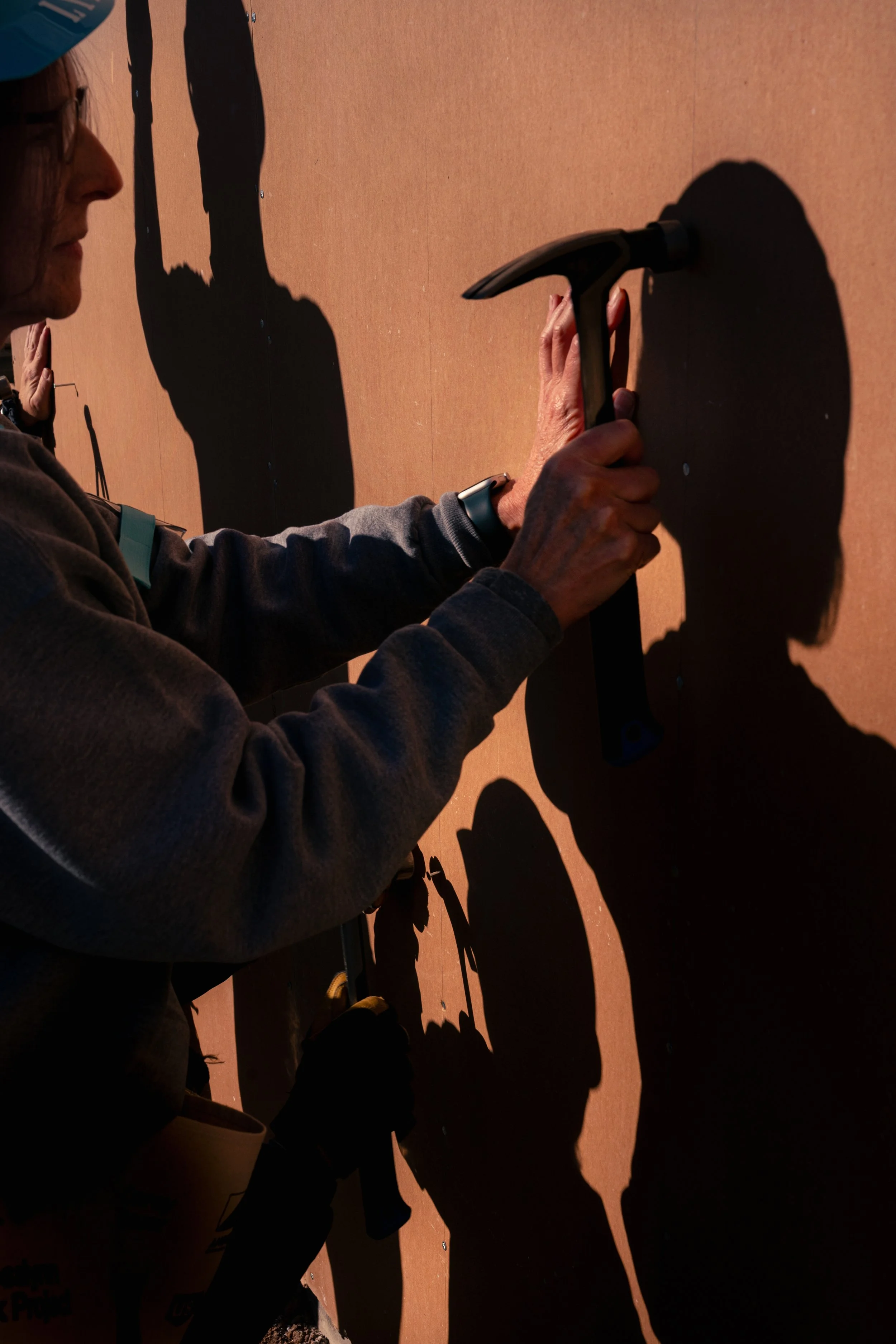
Stay close to the trap
A false version of patience lives at the other end of the spectrum, and it’s every bit as popular an excuse. Some people opt to sit on the sidelines for every change, trend, or visual shift and call it “integrity.” I understand the appeal: refusing things costs less than learning them, and from a distance it looks a lot like discernment.
Read the proverb again, though. The second mouse is standing right next to the trap. It was there when the cheese went down and close enough to hear the spring, and it never lost its appetite. The mouse watching from across the room ends up with a good story but never takes the leap itself.
That’s the spot I love to create in. I enjoy noticing an idea early, while I can still say it “belongs” to the person who made it. Then I watch the crowd pile in, paying real attention as so much of it turns into photocopies chasing “how the content is performing in the algorithm.” The fun work comes after that: something of my own that answers what the imitations missed, made while the idea still has some shine on it and long before it becomes a historical fad.
That sense of timing and taste, as far as I can tell, is the residue of watching things fail (plenty of them my own) from close enough to see what fell apart. Choosing what to add to my practice mostly comes down to knowing what to leave the heck alone.
The test I keep coming back to is a small thought experiment. I close my eyes and picture the finished work in front of someone ten years from now who has never heard of the camera, lens, plugin, or tool that made it. Whatever still lands with that person, emotionally or on a plain human level, is the part that won’t change, and it’s the part worth building a body of work around. Call me an old fogey if you want, but people will still want to believe what they’re looking at, and they’ll still lean toward a face that seems genuine. I can’t picture a client asking for less of either.
Anything new gets its first try on my own time, on a personal project or a spec day where the only person I can disappoint is myself. That’s where I find out whether it has a place in the regular kit, pitfalls included. If it survives that, it can come along on a paying job, usually as an extra angle or a wildcard shot in the larger edit, never the hero shot we have to get for the client. It gets promoted into the normal kit once I catch myself reaching for it after the buzz of novelty has worn off.
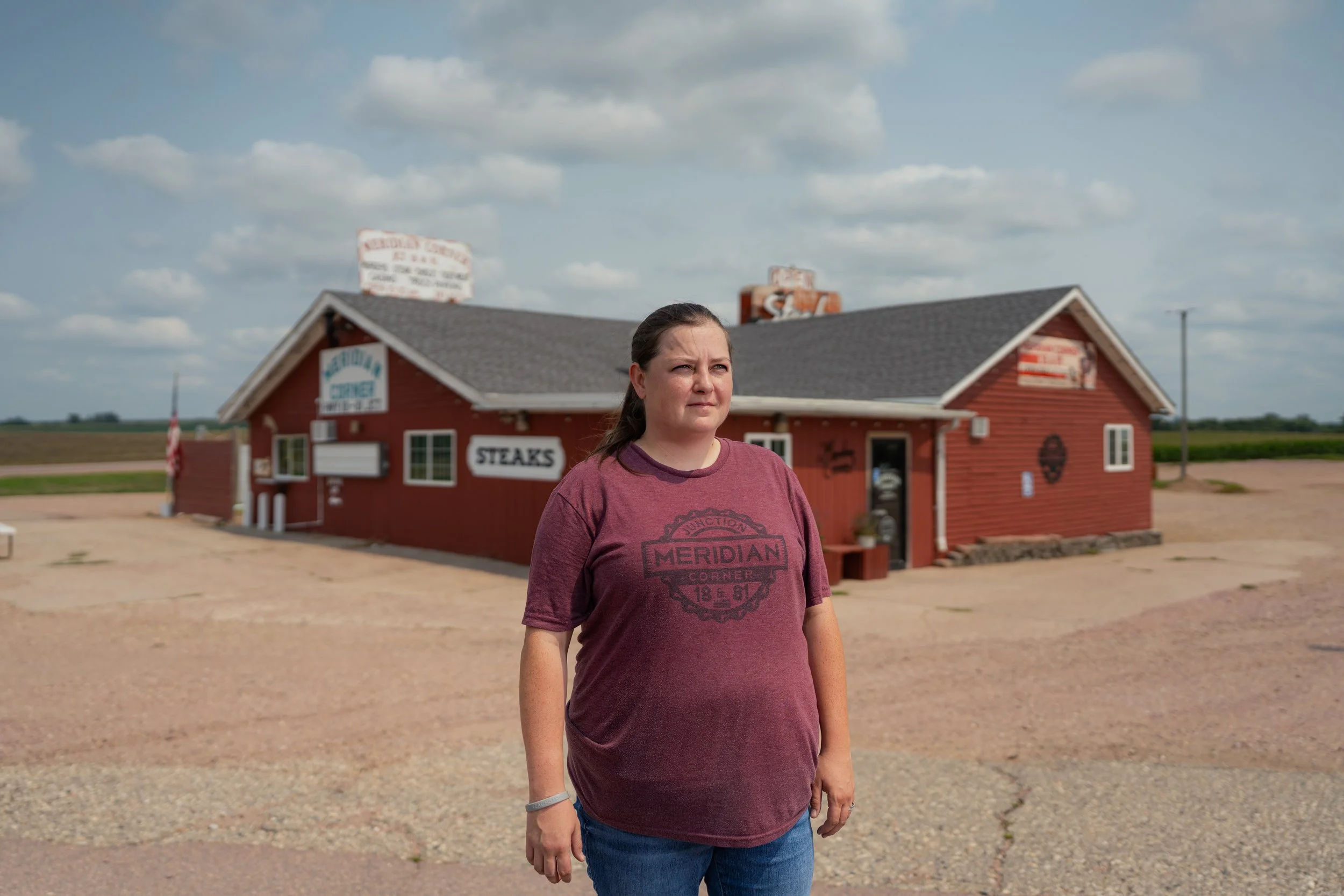
The slow stuff compounds
Walk down any old main street in Middle America (my favorite) and look at what businesses choose to put on their windows. “Established 1962” gets gold leaf on the glass. “Grand Opening” gets a vinyl banner zip-tied to the railing, and it gets pitched in the trash within the month. In any trade where the customer is taking a risk, age is the advertisement, because time spent doing something well is the one claim a competitor can’t copy next week.
I think for many of you, hiring a photographer or a director is that kind of trade. Whatever the brief says, most of y’all hiring creative work are optimizing (whether you’d admit it or not) to avoid one particular phone call: the one where you explain to your boss or your end client what went wrong. Consistency is what lets you skip it. When the way someone sees and the way they work have delivered steadily over years, you can picture the result before anyone loads a truck, and that can be worth more to you than novelty.
Twenty years into this work, through still frames and moving ones, my order of operations hasn’t changed a great deal: figure out what the story needs, collaborate with great people to make it happen, then pick the tools. The cameras, lenses, and kit have turned over more times than I can count (especially since I started directing motion halfway through), but that first question has stayed put the whole time.
Cheap has happened before
Photography has been made cheaper and easier more than once. In the early 1880s, most cameras were slow, cumbersome wooden field and studio plate cameras, largely out of reach for everyday buyers. But in 1888, Kodak sold its first camera preloaded with a hundred exposures under the slogan “You press the button, we do the rest,” and within a decade a photography journal estimated that a million and a half roll-film cameras were in amateur hands. On February 22, 1893, in the middle of a blizzard, photographer Alfred Stieglitz stood at Fifth Avenue and Thirty-Fifth Street for three hours with one of the new handheld cameras, the kind built for quicker exposures without a tripod, waiting for a single horse-drawn omnibus to come through the snow and make an image worth remarking on.
The button got easier again. Merriam-Webster made “slop” its word of the year for 2025, and anyone who has scrolled a feed lately understands why. I don’t have a sermon about it. The tools available to almost anyone are just… the weather. And arguing with weather is a poor use of anyone’s morning. What interests me more is what people reach for when things get cheap, easy, and a little shitty.
And the answer seems to be evidence that somebody gave a damn. A lopsided sweater your aunt knit will beat a lot of disposable crap off the rack, and the sweater itself has very little to do with why. When an image costs nothing to make, it stops carrying that evidence on its own, and people go looking for it in who made it and how long they’ve been at it.
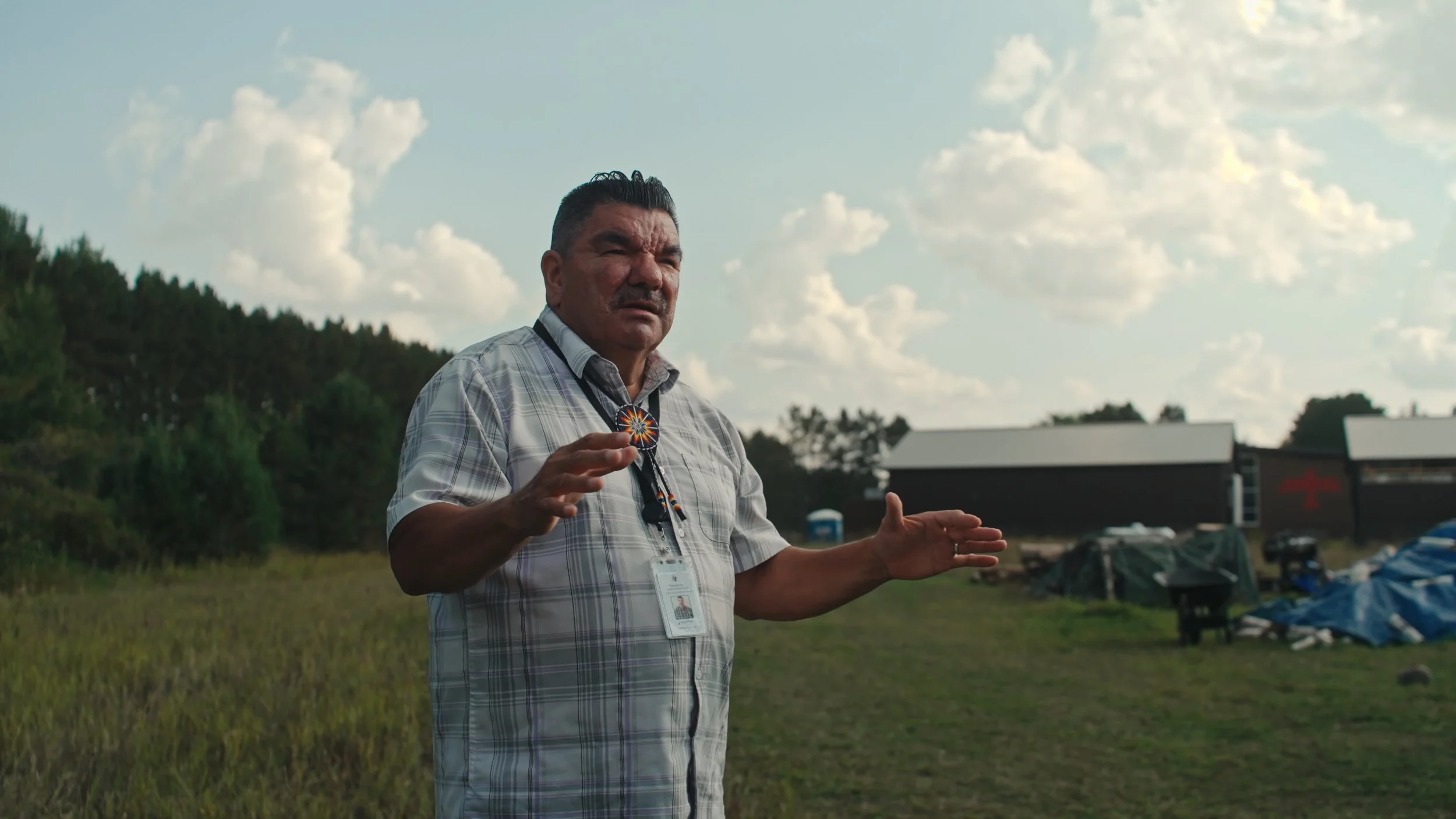
So, could you date my work to the month? I hope you’d at least have to guess at the year. What I’d like you to notice instead is simpler: that I was there, paying attention, and that the person in front of the camera eventually stopped performing for it.
My test for the rut is whether work by people newer to this career than me still makes me a little jealous. If it stops giving me that itch, I’ve stopped paying attention. Everything outside that first question about what the story needs gets the second-mouse treatment. I’ll stay close from the start and let the crowd find the weak spots. Then I’ll make my version while it still has some shine.
Stieglitz got his omnibus, for what it’s worth. The driver came up Fifth Avenue leaning into the wind, urging the horses through the drifts, and the picture was displayed in exhibitions on two continents before the century was out.