

Lost in Translation: Why Words Matter in Creative Work
Creatives and clients use the same words to mean entirely different things. "Coverage" means one thing in the edit bay and something else entirely to the marketing director trying to justify the shoot to her boss. The gap between those two definitions is where projects go sideways — and where the best creative relationships are actually built.
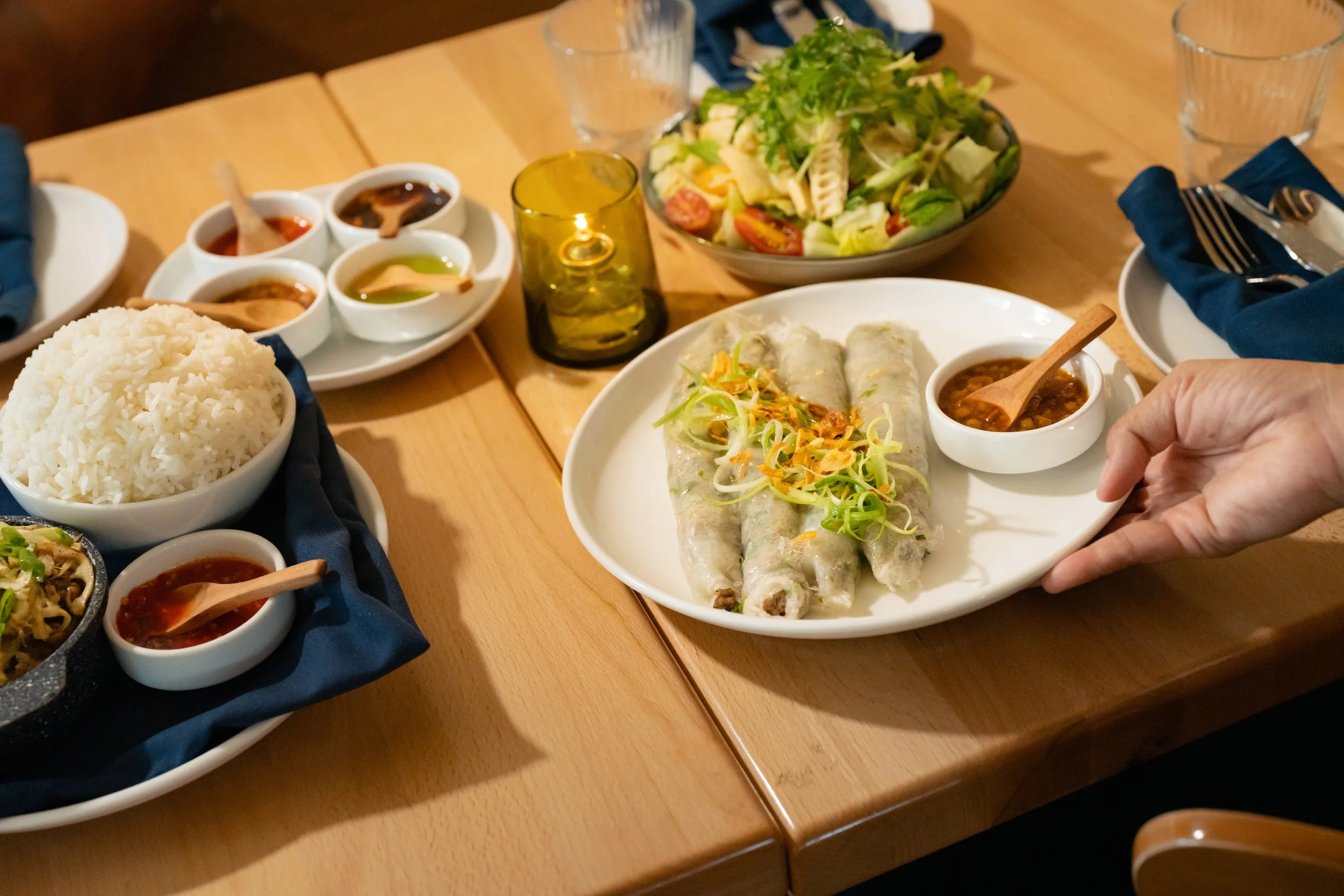
The discipline behind authenticity (and why so many miss it)
Everywhere you look, brands are selling authenticity the way counterfeiters push product — convincing at first glance, worthless once inspected. The newsroom taught a different lesson: great stories survive by what you refuse to include. One strong image. One real story. The scissors, not the frosting. That discipline is rarer than ever, and more valuable for it.

In Praise of Friction
We live in a world obsessed with smoothness. Friction, in all its forms, gets framed as failure. But the most meaningful creative work doesn't just tolerate friction — it needs it. Constraint, tension, and the willingness to sit with discomfort are where real judgment gets forged. Some images come easy. The best ones usually don't.

Quit trying to be smart. Just be less stupid
There's an allure to the idea that great creative work comes from outsmarting the problem — from having the eye, the instinct, the moment of genius. But some of the most important wins in production don't come from brilliance. They come from not making avoidable mistakes. Charlie Munger called it being "consistently not stupid." Behind a camera, it looks a lot like boring preparation that protects the brilliant work from getting compromised.
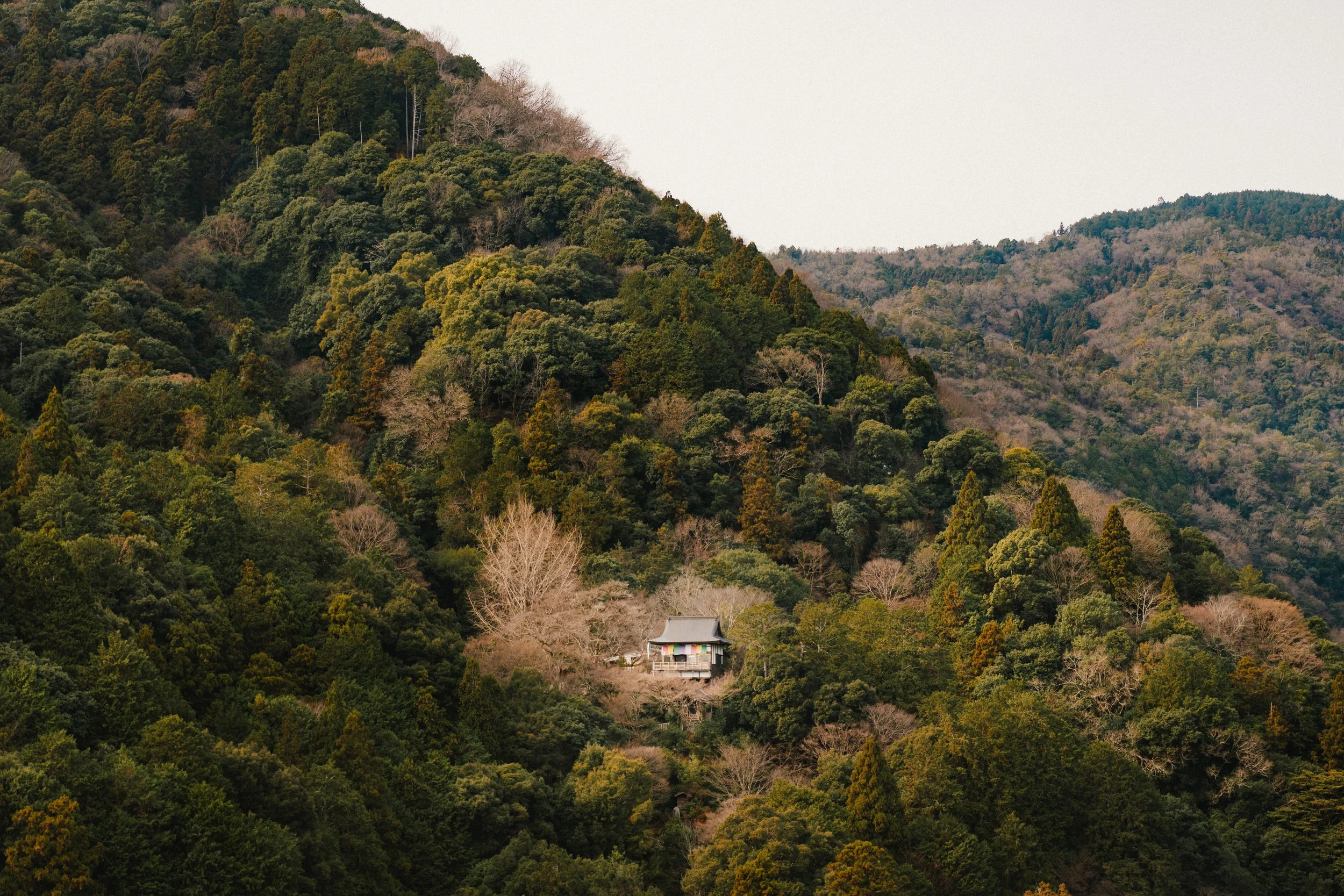
Imperfection, Purpose, and Repair: Inspirations for How I Create
The more optimized creative work gets, the less anyone seems to care. After traveling to Japan at the start of 2025, three ideas — wabi-sabi, kintsugi, and ikigai — quietly rewired how I shoot, direct, and choose projects. They're not philosophical window dressing. In a visual culture saturated with AI shellac and brand sameness, they're survival tools.

How to Move Creative Needs from Survival to Significance
Most creative problems aren't actually creative problems — they're human ones. Borrowing from Maslow, there's a hierarchy at work in every production: from survival-level content that just needs to exist, through stability, alignment, and resonance, all the way to work that reflects who an organization actually is. Teams say they want to reach the top. But meaning doesn't happen by accident. It's a structure — and you can't skip the levels underneath.